Quick Facts – Best Oil for Deep Frying
- For deep frying, look at smoke point, flavor, and price before you choose an oil.
- Vegetable oil is popular because it is affordable, neutral in flavor, and handles high heat.
- Canola oil also has a high smoke point and less saturated fat than many other oils.
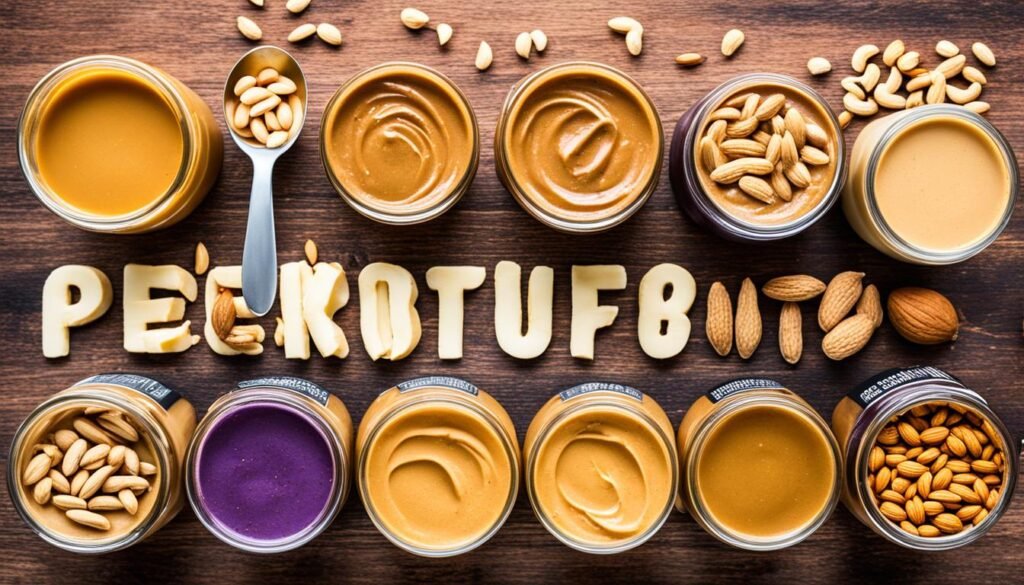
- Peanut oil gives a light nutty taste and works well at high frying temperatures.
- Oils with low smoke points (like extra-virgin olive oil) can burn and taste bitter in a deep fryer.
- Fryer recovery time (how fast the oil gets back to temperature) affects crispness and oil life.
- Used cooking oil should never go down the drain; cool, strain, and dispose of it properly.
Choosing the right oil for deep frying affects flavor, texture, and even how long your oil lasts. With so many bottles on the shelf, it can be hard to know which one to pour into the fryer.
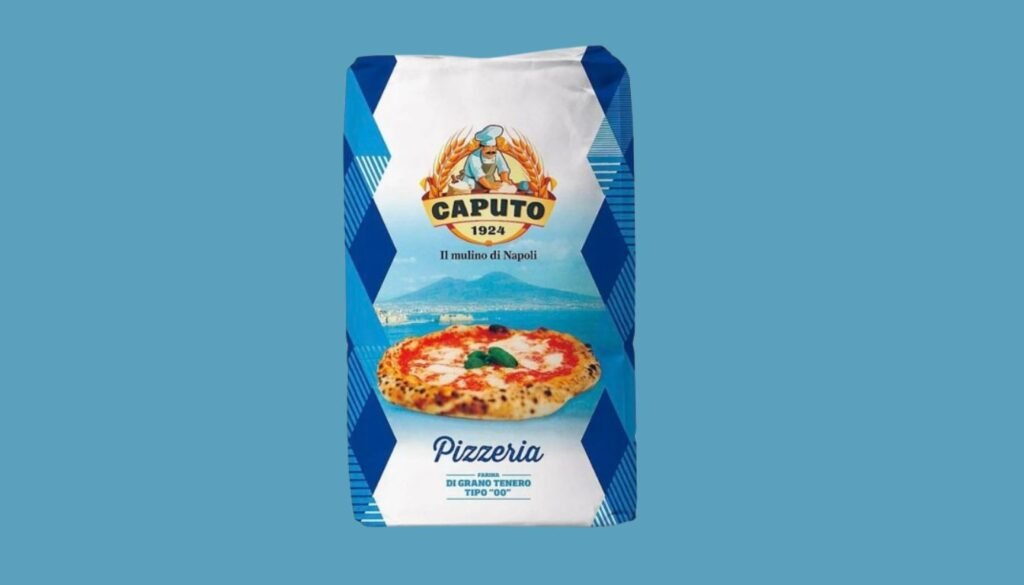
This guide walks through what matters most when you pick an oil, how vegetable, canola, and peanut oil compare, and which oils you should skip for deep frying. If you enjoy cooking at home, you might also like the best steak seasoning for grilling or the best pizza flour to pair with your fried and grilled meals.
What to consider when choosing an oil for deep frying
Before you grab any bottle, think about three main factors:
1. Flavor
For deep frying, most people like a neutral-flavored oil so the food itself stands out. Strongly flavored oils can clash with chicken, fries, or doughnuts.
- Neutral: vegetable, canola
- Light flavor: peanut (mild nutty note)
- Strong flavor: extra-virgin olive oil, toasted sesame (better for finishing, not deep frying)
2. Smoke point
The smoke point is the temperature at which oil starts to smoke and break down. Deep frying usually happens around 350–375°F (175–190°C), so the oil should safely handle that heat.
- High smoke point (good for deep frying): vegetable, canola, peanut, many refined oils
- Lower smoke point (not ideal for deep frying): extra-virgin olive oil and other unrefined oils
When oil passes its smoke point, it can taste burnt and may form off flavors.
3. Price
Deep frying uses a lot of oil, so cost matters.
- Affordable: vegetable and canola oil
- Mid-range: many refined peanut oils
- More expensive: some specialty or cold-pressed oils
For big batches or regular frying, you usually want a budget-friendly oil that still gives good results.
Deep frying with vegetable oil
Vegetable oil is one of the most common choices for deep frying.
Why do people like it
- High smoke point: Stays stable at typical deep-frying temperatures.
- Neutral flavor: Does not overpower the food’s taste.
- Budget-friendly: Easy to find and gentle on your wallet.
- Versatile: Works for chicken, fish, fries, doughnuts, and more.
Most “vegetable oil” is a blend of refined plant oils made to be stable at high heat. It’s a solid everyday choice for home fryers and large batches.
Deep frying with canola oil
Canola oil is another popular deep-frying oil that balances cost, performance, and nutrition.
Key points
- High smoke point: Suitable for the 350–375°F range used in deep frying.
- Mild flavor: Lets the food shine rather than adding a pungent taste.
- Lower saturated fat: It has less saturated fat than many other common cooking oils.
- Often affordable: Widely available in large jugs at a reasonable price.
Because of its neutral flavor, canola oil works well for almost any fried food, from chicken to fries to vegetables.
Deep frying with peanut oil
Peanut oil is well known for deep frying, especially for turkey fryers and restaurant-style dishes.
What peanut oil offers
- Very high smoke point: Handles high temperatures without breaking down quickly.
- Subtle nutty taste: Adds a gentle flavor that many people enjoy, especially with fried chicken, fish, and vegetables.
- Good fat profile: Usually has more unsaturated fat than saturated fat.
Important allergy note:
If you or your guests have a peanut allergy, be cautious. Highly refined peanut oil is often considered safer than unrefined versions, but labels and local guidance matter. When in doubt, choose vegetable or canola oil instead.
Oils that are not ideal for deep frying
Some oils are better saved for sautéing, salad dressings, or finishing dishes, not for deep frying.
Olive oil
- Extra-virgin olive oil has a lower smoke point and a strong flavor profile.
- At deep-frying temperatures, it can turn bitter and break down faster.
- Light or refined olive oil has a higher smoke point, but is still not a first choice for large deep-frying jobs.
Soybean oil and corn oil
- Refined versions can handle heat, but their flavor and composition can be less stable in a deep fryer over time.
- They are more often found in processed foods than in home deep fryers.
For most home cooks, vegetable, canola, or peanut oil is a simpler, more predictable choice.
Why fryer recovery time matters
Fryer recovery time is how long it takes the oil to return to the target temperature after you add food.
- When you drop cold food into hot oil, the temperature falls.
- If the oil stays too cool for too long, the food absorbs more oil and comes out greasy and heavy.
- If the oil recovers temperature quickly, food fries faster and absorbs less oil, leading to a crispier coating.
Faster recovery times:
- Improve texture and color.
- Help the oil last longer by keeping it out of unstable temperatures for longer.
- It can reduce energy use in an electric or gas fryer.
Avoid overloading the fryer with too much food at once, and preheat the oil properly before each batch.
Comparing common deep-frying oils
Here’s a simple comparison of three popular options:
Vegetable oil
- Smoke point: High
- Flavor: Neutral
- Nutrition: Moderate unsaturated fats
- Cost: Usually low
Canola oil
- Smoke point: High
- Flavor: Mild/neutral
- Nutrition: Lower saturated fat; contains omega-3 and omega-6
- Cost: Low to moderate
Peanut oil
- Smoke point: Very high
- Flavor: Light nutty note
- Nutrition: More unsaturated than saturated fat
- Cost: Moderate
Your choice depends on what you value most: cost, flavor, and any allergy concerns.
Deep frying food guide: which oil for which food?
Here are some simple pairings:
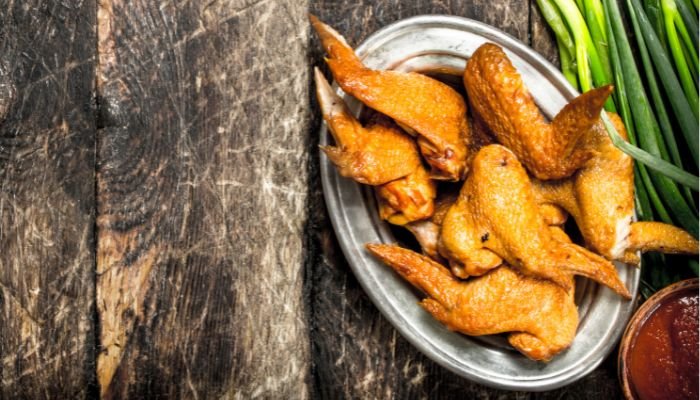
- Chicken (wings, tenders, drumsticks):
Use vegetable or canola oil for a crisp, golden crust that doesn’t taste heavy. - Turkey (whole bird in a turkey fryer):
Peanut oil is a classic choice. It holds heat well and adds a very light nutty taste. - French fries:
Canola or vegetable oil helps fries become crisp on the outside and fluffy on the inside. - Fish and seafood:
Vegetable or canola oil keeps the coating light while letting the fish flavor stand out. - Doughnuts and funnel cakes:
Mild vegetable oil gives an even golden color without changing the sweet taste. - Vegetables (onion rings, tempura, fritters):
Peanut or canola oil works well for a crisp coating and clean flavor. - Egg rolls and spring rolls:
Vegetable oil is a good fit for a crunchy shell and a neutral taste.
How to choose the right cooking oil for your application
When you’re deciding which oil to buy, look at:
Price
- For deep frying, pick oils that you can afford to use in larger amounts.
- Vegetable and canola oils are usually the best value.
Quality and nutrition
- Check the type of fat: unsaturated fat is usually preferred over saturated fat.
- Refined oils withstand higher heat better than unrefined oils.
Smoke point
- High smoke point for deep frying and searing.
- Lower-smoke-point oils are better for low-heat cooking or finishing dishes.
Flavor
- Neutral oils are best when you don’t want to alter the dish’s taste.
- Mildly flavored oils (like peanut) can add a nice touch to specific recipes.
Sometimes you’ll need to try a couple of oils to find the one that gives you the texture and taste you like best.
How to dispose of used cooking oil
Used oil should never be poured down the sink. It can clog pipes and cause plumbing issues.
For small amounts at home:
- Let the oil cool completely.
- Strain out food bits if you plan to reuse it once or twice more.
- For disposal, pour cooled oil into a non-breakable container (like an empty bottle or jar) with a lid.
- Throw the sealed container in the trash according to your local guidelines.
For large amounts:
- Restaurants and frequent fryers should use local recycling or collection services that handle used cooking oil.
- These services often turn old oil into biodiesel or other products.
Proper disposal protects your pipes and the environment.
FAQ
The best oil for a deep fryer depends on your needs, but vegetable, canola, and peanut oils are common choices. They have high smoke points, neutral or mild flavors, and are usually affordable in large bottles.
Look at the oil’s flavor, smoke point, nutrition, and price. A neutral flavor and high smoke point work best for most fried foods. Pick an oil you can afford to use in larger amounts for deep frying.
Yes. Vegetable oil is a popular choice for deep frying because it has a high smoke point, neutral taste, and low price. It works well for chicken, fries, doughnuts, and many other fried foods.
Canola oil is a good option for deep frying. It handles high heat, has a mild flavor, and generally contains less saturated fat than many other common oils. It is also widely available and reasonably priced.
Yes. Peanut oil has a very high smoke point and a light, nutty flavor, making it popular for frying turkey, chicken, and vegetables. If you or your guests are allergic to peanuts, choose a different oil or talk to a health professional about using peanut oil safely.
Avoid oils with low smoke points, such as extra-virgin olive oil, for deep frying. They can burn, taste bitter, and break down faster at high temperatures. Save them for salad dressings, dipping, or low-heat cooking instead.
If the oil cools down and stays cool for too long after you add food, the food absorbs more oil, making it greasy. Good recovery time means the oil returns to the right temperature quickly, giving you crisp, evenly fried food and helping it last longer.
For chicken and fish, neutral oils like vegetable or canola work well. For fries, canola or vegetable oil gives a crisp exterior and a fluffy interior. Peanut oil is another option for many fried foods if there are no peanut allergies to worry about.
Think about the cooking method, temperature, and flavor you want. Use high-smoke-point, neutral oils for deep frying and sautéing, and save stronger-flavored oils for dressings or finishing dishes. Also, pay attention to cost and nutrition, especially if you cook with oil often.
Let the oil cool completely, then strain it. You can reuse it a few times if it still looks and smells fresh. For disposal, pour the cooled oil into a sealed container and place it in the trash according to local rules. Never pour it down the sink.
DISCLAIMER:
This blog post is for informational purposes only. We make every effort to provide accurate, current, and well-sourced information, but we cannot guarantee its completeness or absolute accuracy.
All images, videos, and logos used on bestfordaily.com belong to their respective owners. We aim to credit and reference them appropriately. If you are the rightful owner and wish to have your image, video, or logo removed, please contact us.