- Topic: Best kerosene heater for indoor use USA (2026 guide)
- Best for: Winter backup heat, garages, workshops, large rooms
- Heater types: Convection, radiant, forced-air
- Power needs: Some run without outlets, some need power for ignition/fan
- Updated: 2026
The best kerosene heater for indoor use should heat your space fast while keeping safety features front and center. In the USA, many buyers also want a heater that can help during winter outages, or warm a garage or work area without raising the main heating bill.
This 2026 guide covers indoor-rated kerosene heaters with clear pros, limits, and the kind of space each one fits.
| Heater | Type | BTU Range | Best For | Approx. Price (USD) |
|---|---|---|---|---|
| KeroHeat Sengoku CV-23K | Convection | 23,500 BTU | Medium–large rooms, garages | $180–$260 |
| Dyna-Glo RMC-55R7 (Ivory) | Radiant | 10,000 BTU | Small rooms, outage backup | $120–$170 |
| Mr. Heater MH75KTR | Forced Air | Up to 75,000 BTU | Work areas, large garages | $260–$380 |
| Kero World Indoor Heater (White) | Radiant (fan-assisted) | Up to 23,000 BTU | Medium rooms, steady warmth | $160–$240 |
| Dyna-Glo SF70DGD | Radiant / Forced Air | 70,000 BTU | Big spaces (needs power to start) | $250–$360 |
| DeWalt DXH135HD | Forced Air | 135,000 BTU | Warehouses, job sites, very large garages | $430–$650 |
| Sengoku HeatMate (Portable Radiant) | Radiant | 10,000 BTU | Small rooms, quick spot heat | $130–$190 |
| Dyna-Glo WK24BK | Convection | 23,800 BTU | Medium–large rooms | $170–$260 |
Best Overall Kerosene Heater for Indoor Use
KeroHeat Sengoku CV-23K
If you want strong heat for a medium to large space, the CV-23K is a solid pick. It’s built to warm big areas fast, and it includes a tip-over style shutoff that many indoor buyers look for.
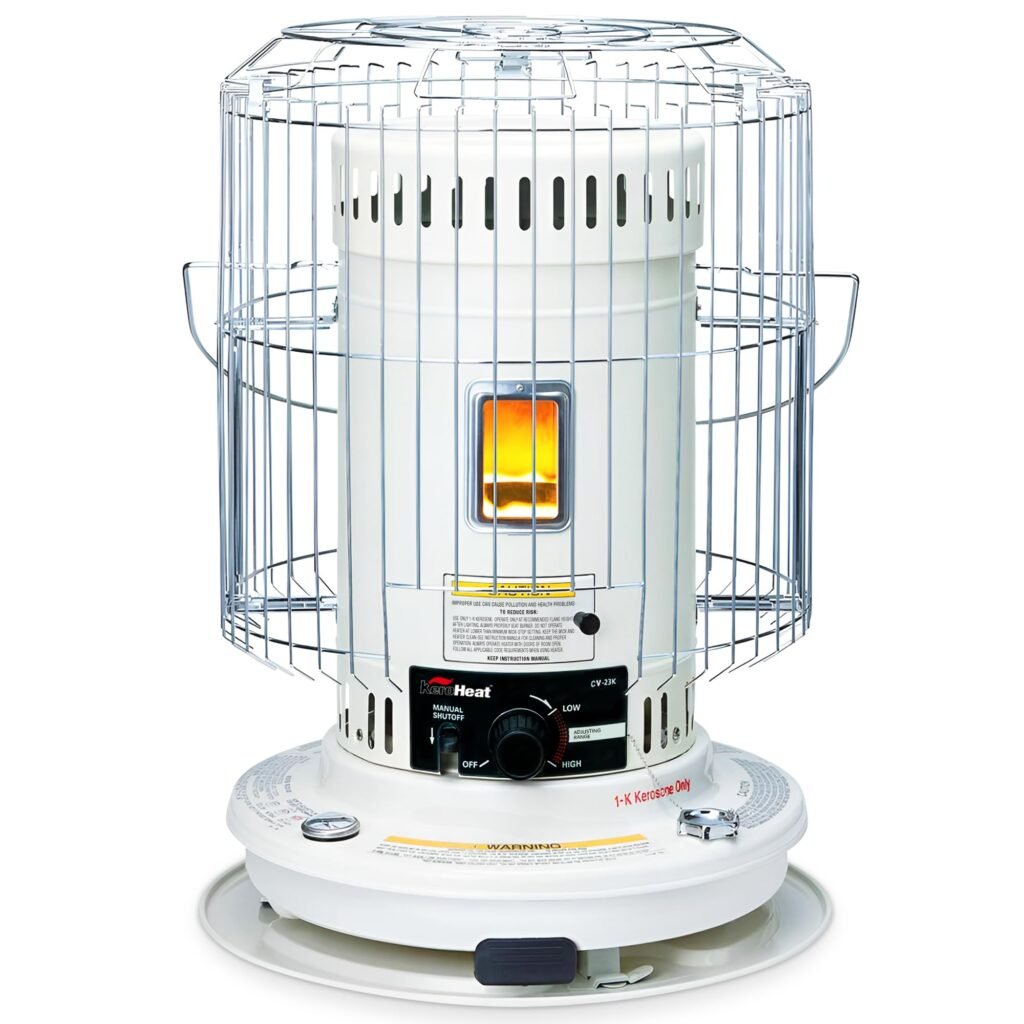
This heater can work well in a garage or a large room when placed on a flat surface with clear space around it. If you’re heating a closed space, think about air quality too—many USA homes use a purifier during winter. See best air purifier for allergies for options.
Best Radiant Heater for Small Rooms
Dyna-Glo RMC-55R7 Indoor Radiant Heater (Ivory)
Radiant heaters warm people and nearby objects first, so they can feel comfortable quickly in a small room. This model is often picked for outage use because it can run without wall power (it uses batteries for ignition).
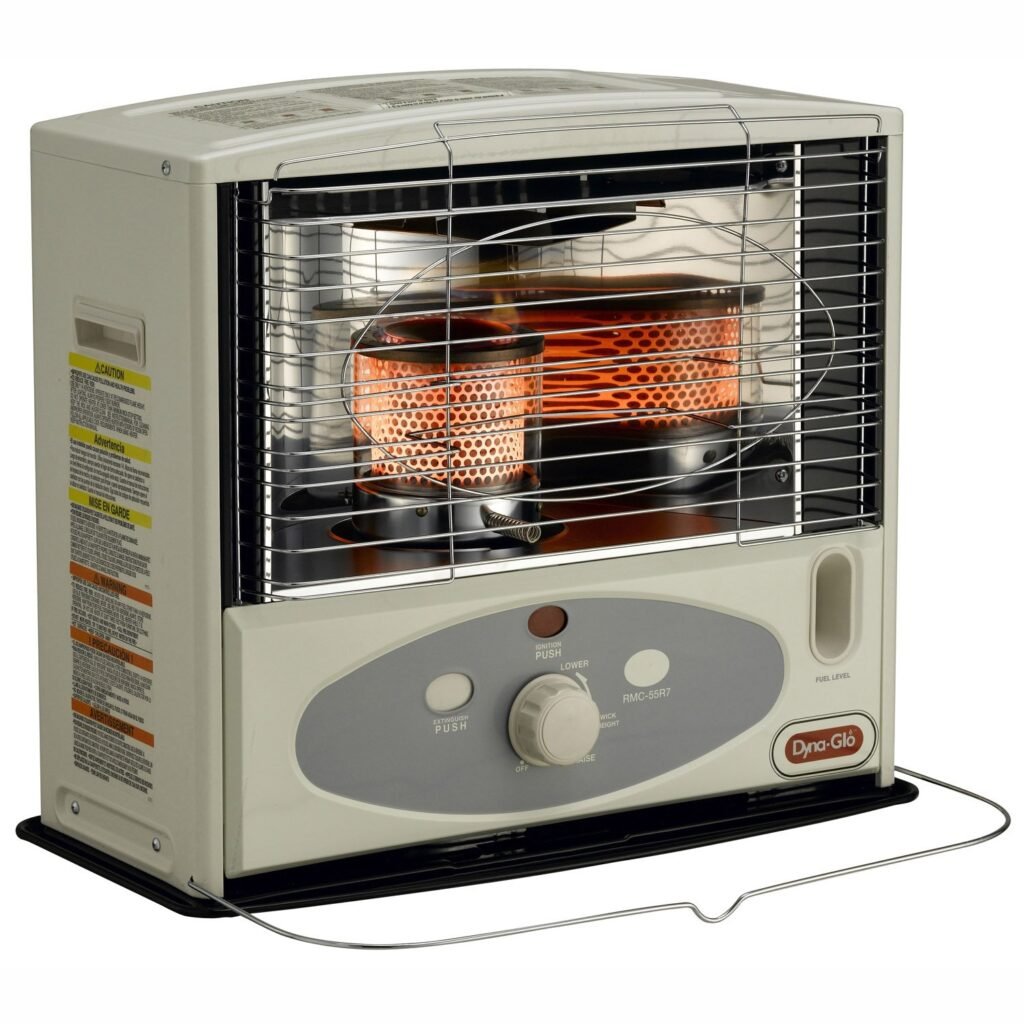
Keep in mind that radiant heat feels strongest in the heater’s “line of sight.” If your room gets dry in winter, adding moisture can help comfort. You can pair your setup with the best humidifier for babys room if you want a humidifier-style solution for indoor air.
Best for Large Garages and Work Areas
Mr. Heater MH75KTR Kerosene Space Heater
This forced-air style heater is made for bigger spaces where you want a fast temperature change. It’s more of a “work area heater” than a living-room heater, so it fits garages, workshops, and similar spaces.
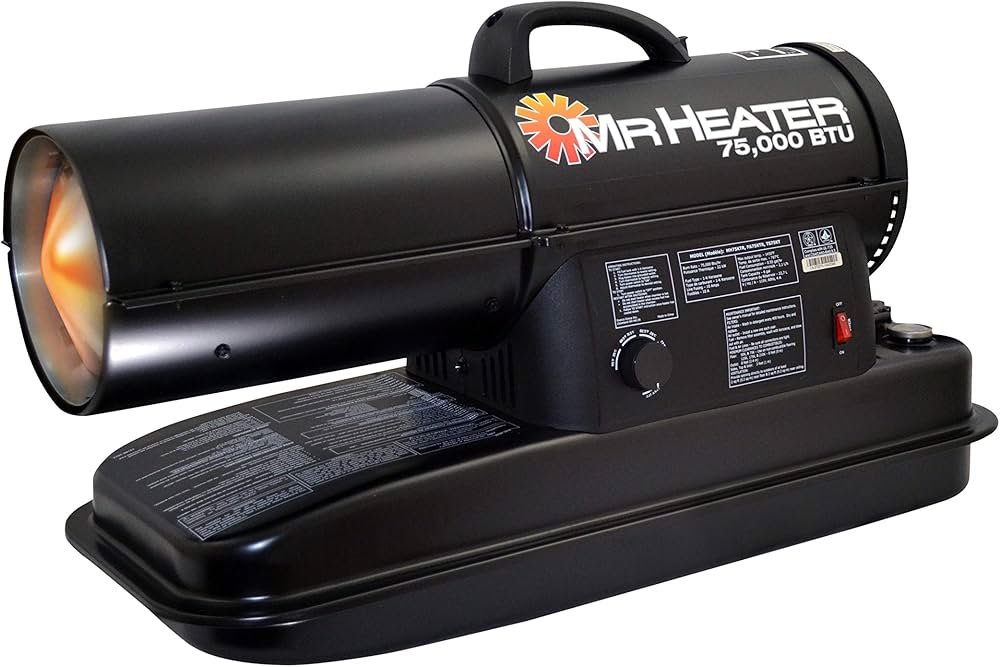
Some versions need power for the fan or ignition. That means it may not be the first pick for full outage heat unless you have backup power. It’s also louder than radiant or convection styles, which matters in smaller spaces.
Best Mid-Size Indoor Heater with Balanced Heat
Kero World Indoor Kerosene Heater (White)
This model aims for steady, room-filling warmth. It’s often chosen by people who want a simple control dial and a heater that fits daily winter use.
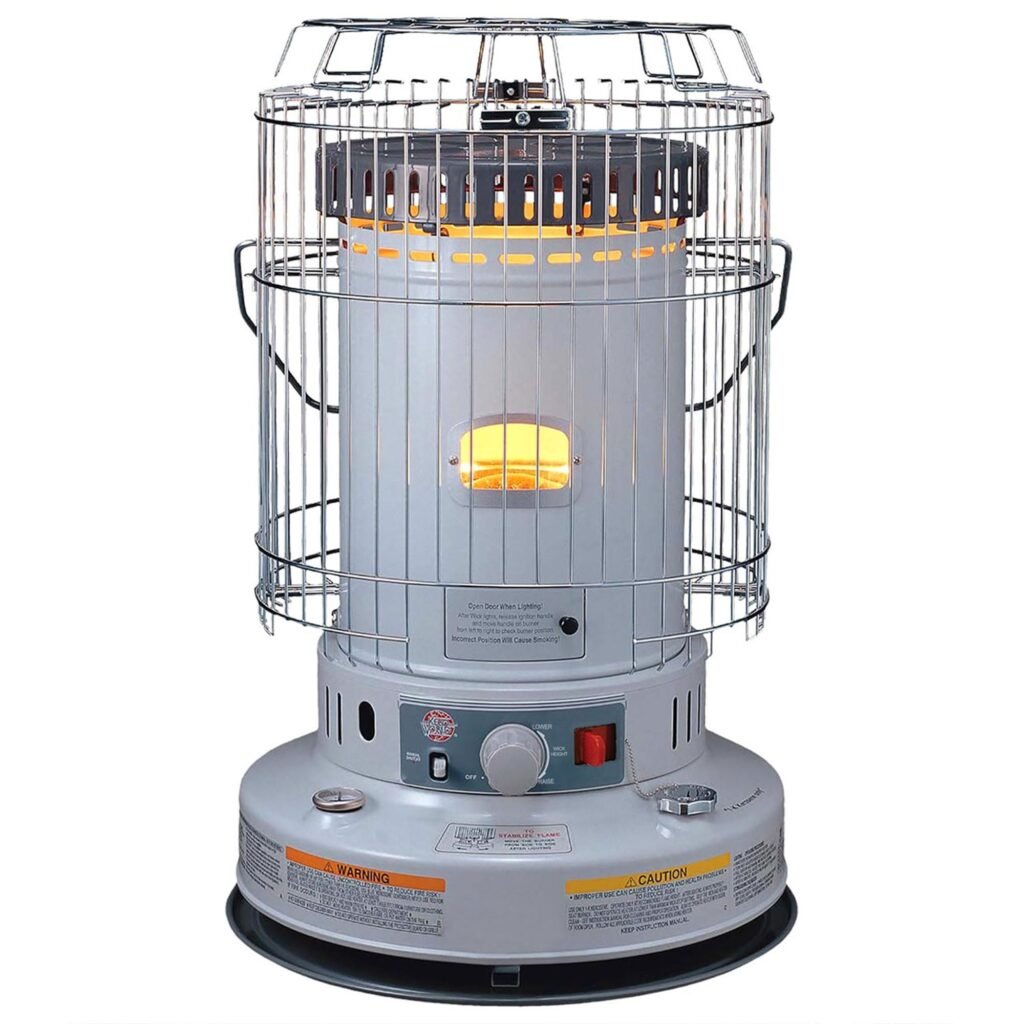
Be mindful of placement. Many users avoid carpets and keep the heater on a firm surface to lower spill and tip risk. If you like adding natural airflow support in the home, you might also like the best indoor plants for oxygen as a simple add-on for indoor spaces.
Best High-BTU Option for Big Indoor Spaces
Dyna-Glo SF70DGD 70,000 BTU Heater
If you need to heat a very large area, this model brings high BTU output. It can work well in big garages and large enclosed work zones where smaller heaters feel slow.
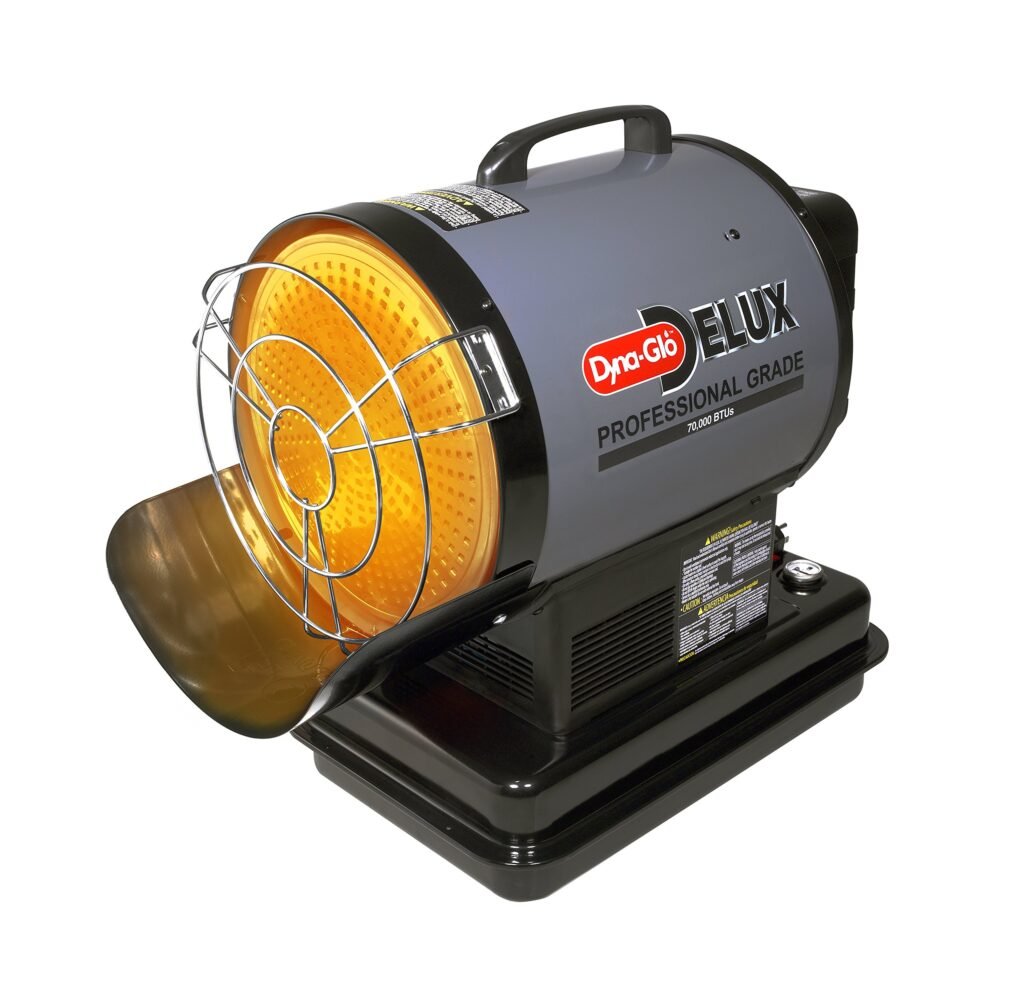
It can be loud, and many owners use it more like a shop heater than a “hangout” heater. Check power needs before buying, since some units must be plugged in to start.
Best Heavy-Duty Job-Site Style Pick
DeWalt DXH135HD Forced Air Kerosene Heater
This one is for very large spaces and demanding use. It’s built like a rolling cart and pushes a lot of heat, which can help in warehouses or big job areas.
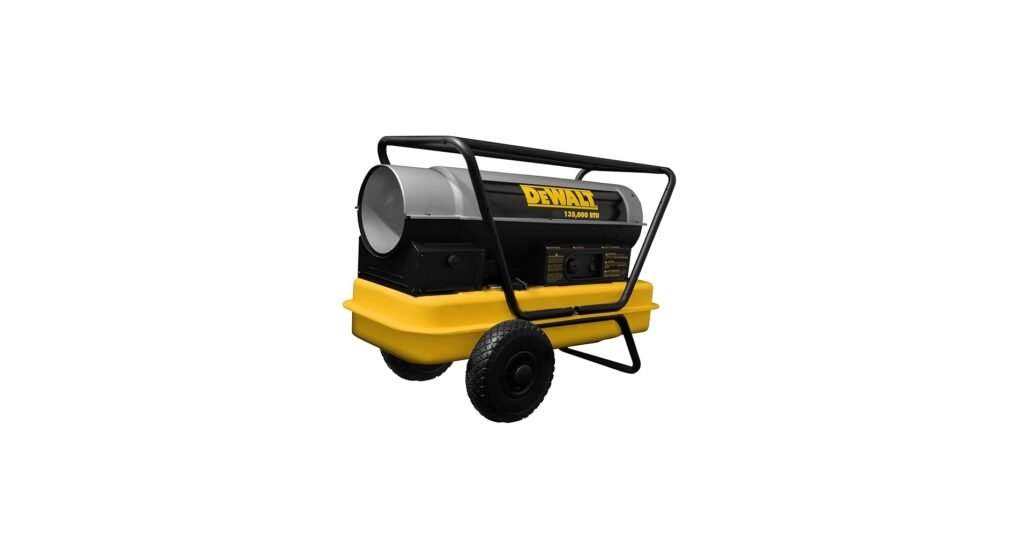
It’s not the right match for small rooms due to sound and airflow. Plan for power needs and keep it away from items that can dry out or overheat.
Best Portable Radiant Backup Heater
Sengoku HeatMate Portable Radiant Kerosene Heater
This heater is often picked for simple backup heat, smaller rooms, and quick warm-ups. It’s compact enough to move around, which is useful when you only heat one space at a time.
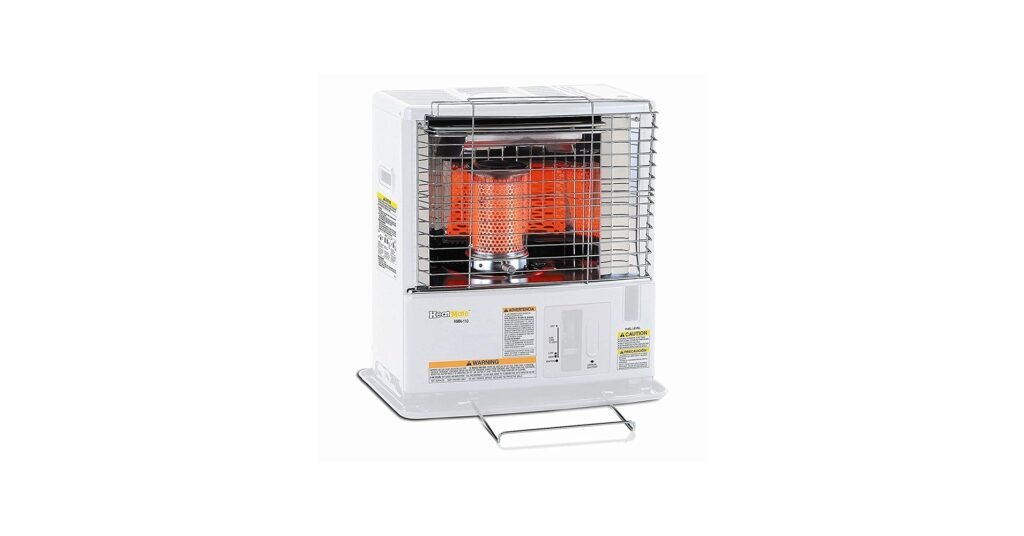
Like many kerosene heaters, you may notice an odor if the fuel quality is low or if the wick needs care. Keeping the unit clean helps cut down the smell over time.
Best Convection Heater for Medium Rooms
Dyna-Glo WK24BK 23,800 BTU Convection Heater
Convection heaters aim to spread warmth more evenly around the room. This one is sized for medium to large rooms and can be a good match when you want more “whole-room” feel.
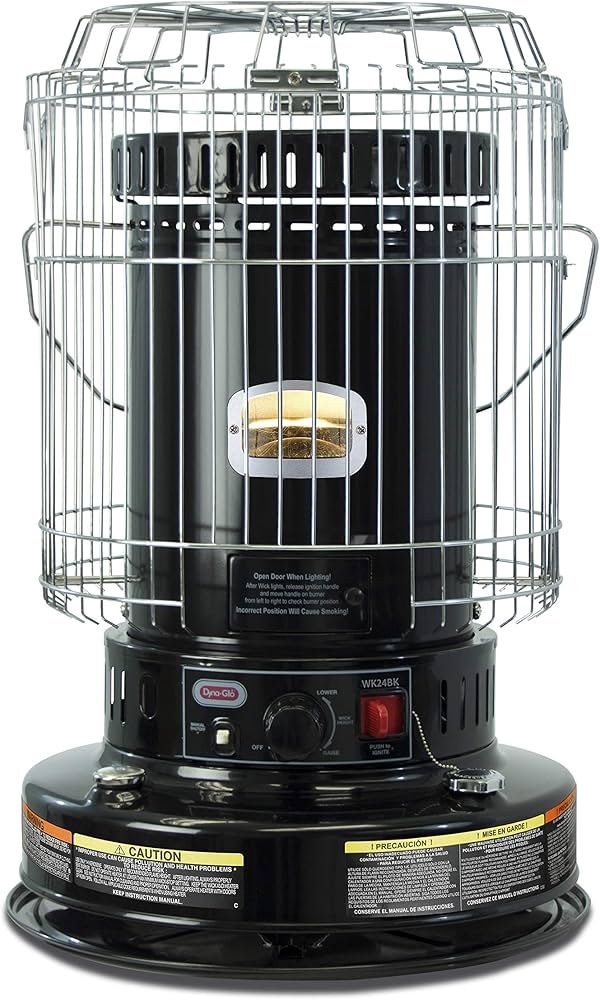
Ventilation still matters for any kerosene heater used indoors. Many buyers add a carbon monoxide alarm and keep a small airflow path in the room.
How to Choose the Best Kerosene Heater for Indoor Use
Start with the space size and how you plan to use it.
- Small rooms: radiant heat often feels warm fast.
- Medium rooms: convection can spread heat more evenly.
- Garages/work areas: forced-air can raise the temperature quickly.
Also check power needs. Some heaters run without an outlet, while others need power for the fan or startup. Finally, match the heater to your noise tolerance and where you can place it safely.
Safety Notes for Indoor Kerosene Heaters
Use an indoor-rated heater only, and follow the manual for fueling and startup. Keep a clear space around the heater, and place it on a stable surface. Many USA households also use a carbon monoxide alarm in the same area as any fuel-burning heater.
Fuel quality matters too. Use the right kerosene grade recommended by the maker, and store fuel in approved containers.
FAQs
They can be used indoors if the unit is rated for indoor use and you follow placement, ventilation, and alarm guidance.
Many heaters run about 8–12 hours per gallon at low to medium settings, but it changes by BTU level and heater design.
Some do not, but others need power for ignition or a fan. Always check the specs for the model you want.
Look at BTU output, safety shutoff features, fuel tank size, power needs, and the type of heat (radiant, convection, forced-air).
DISCLAIMER:
This blog post is for informational purposes only. We make every effort to provide accurate, current, and well-sourced information, but we cannot guarantee its completeness or absolute accuracy.
All images, videos, and logos used on this page belong to their respective owners. We aim to credit and reference them appropriately. If you are the rightful owner and wish to have your image, video, or logo removed, please contact us.