Quick Facts
- Best overall deep space telescope in 2026: Sky-Watcher SkyMax 180 Pro
- Best smart telescope with app control: Celestron Astro Fi 5
- Best beginner-friendly GoTo telescope: Orion StarSeeker IV
- Best portable Dobsonian for deep sky: Sky-Watcher Heritage 150P
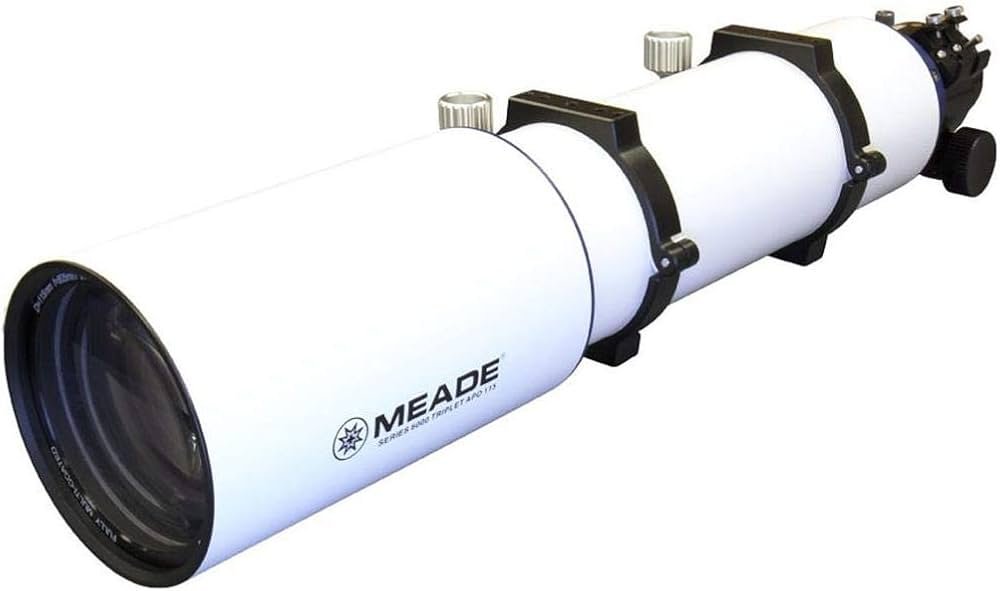
- Best refractor for imaging: Meade Series 6000 115mm APO
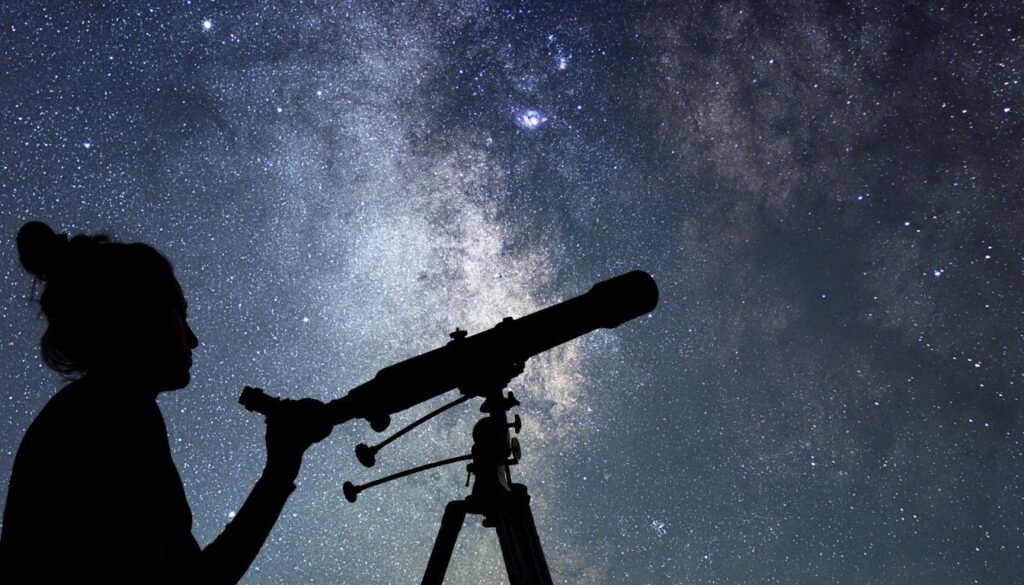
Deep space observing opens a completely different side of astronomy. Instead of just the Moon or planets, you begin to see galaxies, nebulae, and star clusters millions of light-years away. To do that properly, you need a telescope built for light gathering, stable tracking, and clean optics.
In this guide, we focus only on deep space-capable telescopes that still make sense for home users in the USA. The models below are chosen for aperture size, optical quality, ease of use, and real-world performance. If you are also comparing setups for mixed viewing, you may want to look at our guide on the best telescope for viewing planets and galaxies to understand the differences.
| Telescope | Optical Type | Aperture | Best For | Approx. Price (USD) |
|---|---|---|---|---|
| Sky-Watcher SkyMax 180 Pro | Maksutov-Cassegrain | 180mm | Deep space observing and astrophotography | $2,000 – $2,300 |
| Celestron Astro Fi 5 | Schmidt-Cassegrain | 127mm | App-controlled smart deep space viewing | $600 – $750 |
| Orion StarSeeker IV | Maksutov-Cassegrain | 150mm | Beginner-friendly GoTo telescope | $1,000 – $1,200 |
| Sky-Watcher Heritage 150P GTi | Dobsonian Reflector | 150mm | Portable deep sky observing | $450 – $550 |
| Meade Series 6000 115mm APO | APO Refractor | 115mm | Astrophotography and imaging | $2,300 – $2,600 |
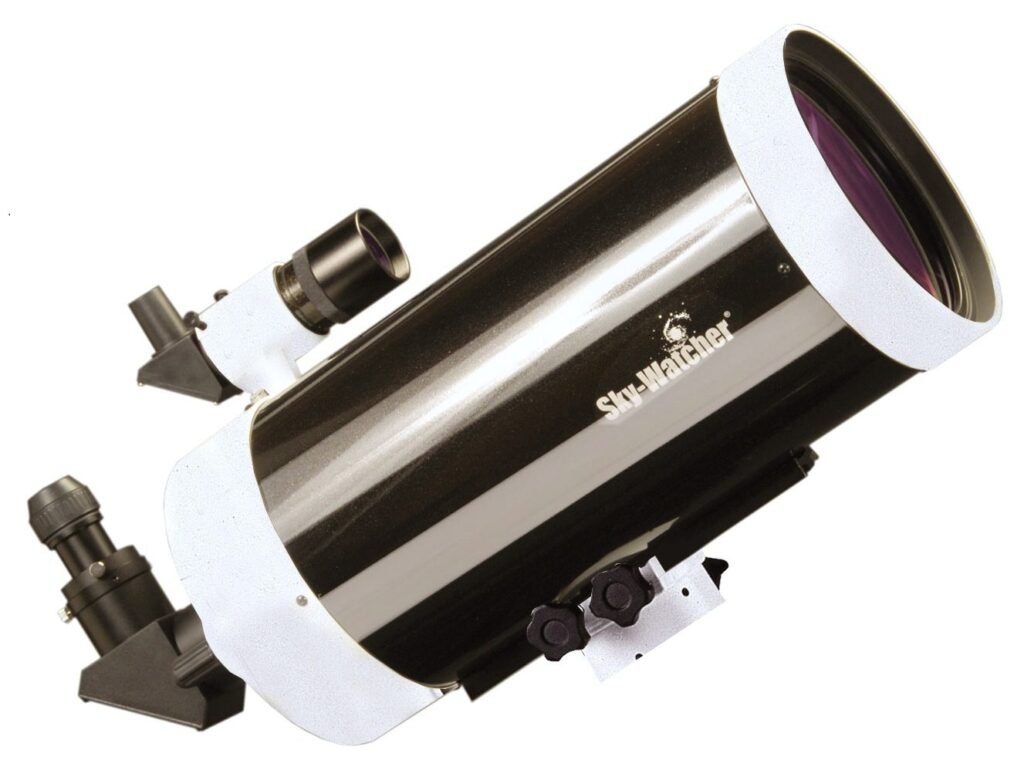
Sky-Watcher SkyMax 180 Pro Maksutov-Cassegrain
This is one of the strongest deep-space telescopes available without stepping into observatory-level pricing. The 180mm aperture pulls in a large amount of light, which is critical for galaxies and faint nebulae.
Key points:
- Excellent contrast for galaxies and globular clusters
- Long focal length suits high-detail viewing
- Works well for both visual use and astrophotography
- Compact tube for its aperture size
If you want one telescope that can handle serious deep sky observing and future imaging upgrades, this is the safest long-term option.
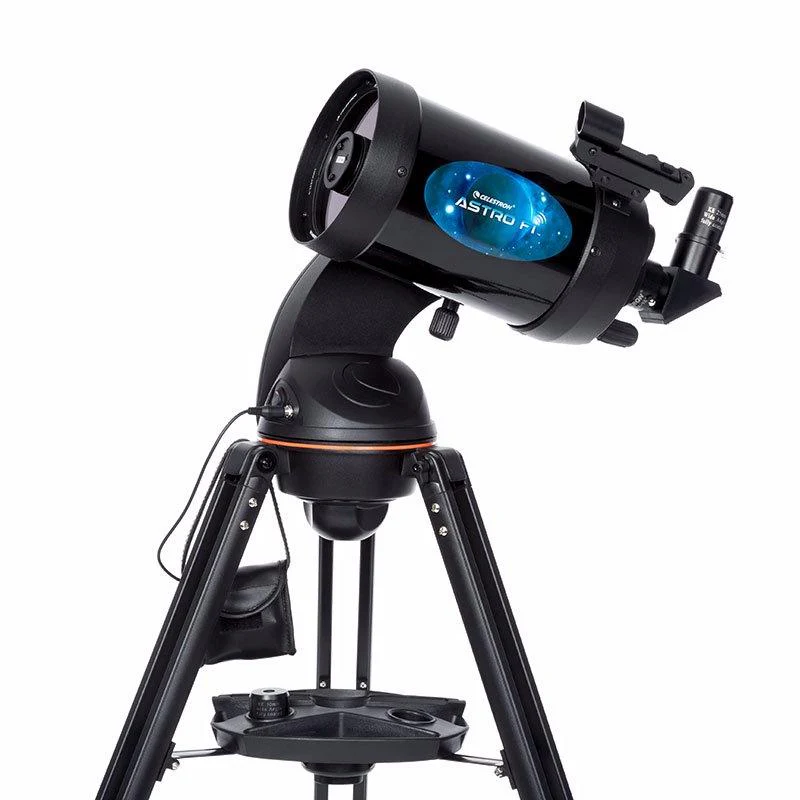
Celestron Astro Fi 5 Schmidt-Cassegrain (Wi-Fi)
The Astro Fi 5 is designed for users who want convenience without a complex setup. The built-in Wi-Fi connects directly to your phone or tablet, removing the need for hand controllers.
Key points:
- App-controlled GoTo system
- Quick alignment for casual sessions
- Portable and easy to transport
- Ideal for urban or suburban users
This model is best if you want deep sky access without manual star-hopping. It pairs well with users who already enjoy smart gear, similar to setups discussed in our best GoPro for the money guide when portability matters.
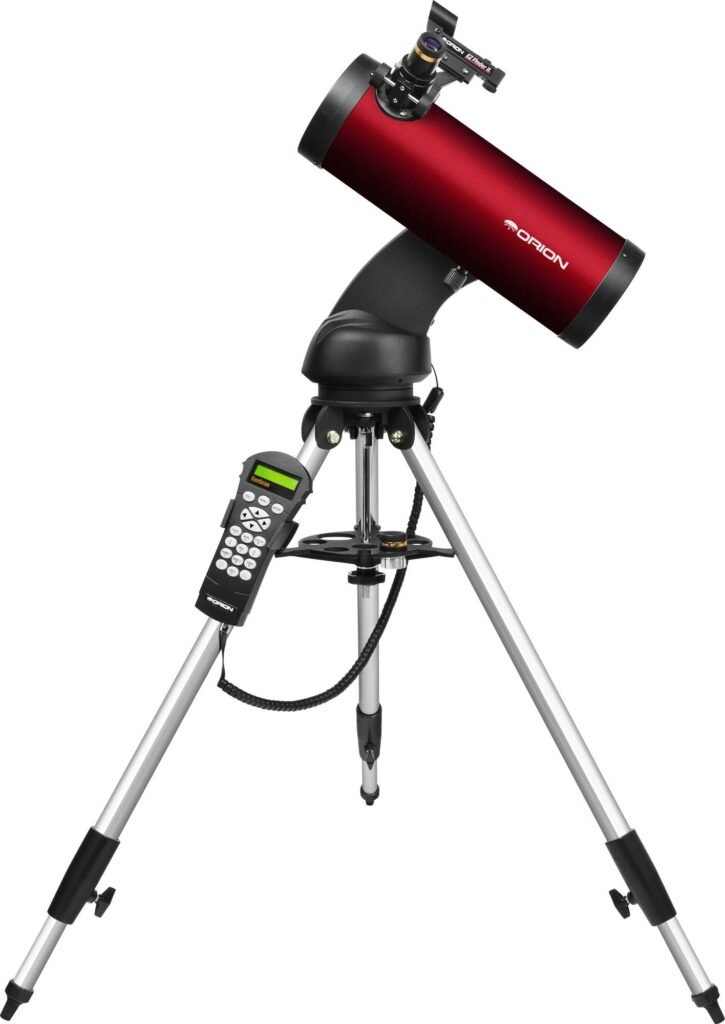
Orion StarSeeker IV
The StarSeeker IV is aimed squarely at beginners who want guided viewing but still care about optical quality. It strikes a good balance between performance and simplicity.
Key points:
- Accurate GoTo tracking
- Smooth manual movement without losing alignment
- Clear views of deep sky targets
- Straightforward setup
If you are new but want a telescope that will not feel limiting after a few months, this is a smart choice.
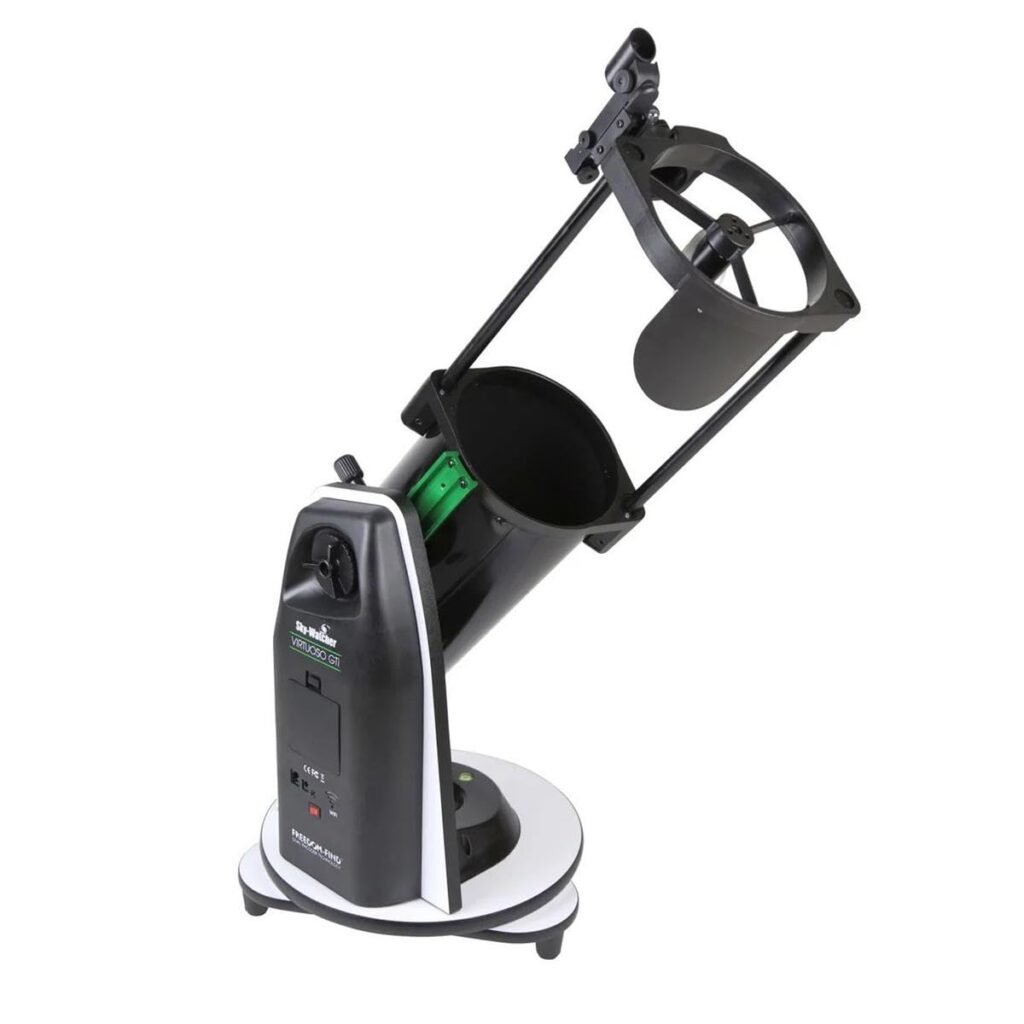
Sky-Watcher Heritage 150P Virtuoso GTi
This Dobsonian is one of the best compact deep sky options available. It combines a classic reflector design with modern motorized tracking and Wi-Fi control.
Key points:
- Strong light gathering for its size
- Tabletop Dobsonian base
- SynScan app support
- Excellent value for deep sky use
For users who want strong, deep-space views in a small footprint, this is hard to beat.
Meade Series 6000 115mm APO Refractor
This telescope is built for imaging first, viewing second. The APO optics deliver clean, sharp images with very low color distortion.
Key points:
- High-grade glass for imaging
- Lightweight for travel setups
- Excellent for nebulae and star fields
- Long-term astrophotography platform
If your focus is photography rather than casual viewing, this is the right direction.
What to Look for in a Deep Space Telescope
Key factors that matter most:
- Aperture size (more light = better faint object visibility)
- Stable mount with accurate tracking
- Optical design suited for faint objects
- Upgrade path for imaging gear
Avoid prioritizing magnification numbers. Deep space viewing depends far more on light collection and clarity.
FAQ
The Sky-Watcher SkyMax 180 Pro offers the best balance of aperture, optics, and long-term value.
Yes. Dobsonians with 150mm or larger apertures perform very well for galaxies and nebulae.
Not required, but it makes locating faint objects much easier, especially for beginners.
Yes, especially models like the Orion StarSeeker IV and Celestron Astro Fi 5.
No. Visual observing still delivers impressive views without cameras or tracking upgrades.
DISCLAIMER:
This blog post is for informational purposes only. We make every effort to provide accurate, current, and well-sourced information, but we cannot guarantee its completeness or absolute accuracy.
All images, videos, and logos used on bestfordaily.com are the property of their respective owners. We aim to credit and reference them appropriately. If you are the rightful owner and wish to have your image, video, or logo removed, please get in touch with us.