- Topic: Best substrate for ball pythons in USA (2026 guide)
- Best for: Humidity control, clean enclosures, easy spot cleaning
- Top picks: Coconut husk, cypress mulch, orchid bark, bioactive, paper (quarantine)
- Avoid: Sand, cedar, gravel, dusty bedding
- Updated: 2026
The best substrate for ball pythons helps you keep steady humidity, reduces odor, and makes cleanups simple. In the USA, most keepers choose natural bedding for day-to-day setups and use paper bedding during quarantine. This 2026 guide breaks down what works, what to skip, and how to pick the right bedding for your snake.
| Substrate | Best Use | Humidity Help | Cleanup | Approx. Price (USD) |
|---|---|---|---|---|
| Coconut husk chips (coco chips) | Daily bedding, stable humidity | High | Easy spot cleaning | $12–$25 / bag |
| Cypress mulch | Humid setups, larger enclosures | High | Easy spot cleaning | $10–$22 / bag |
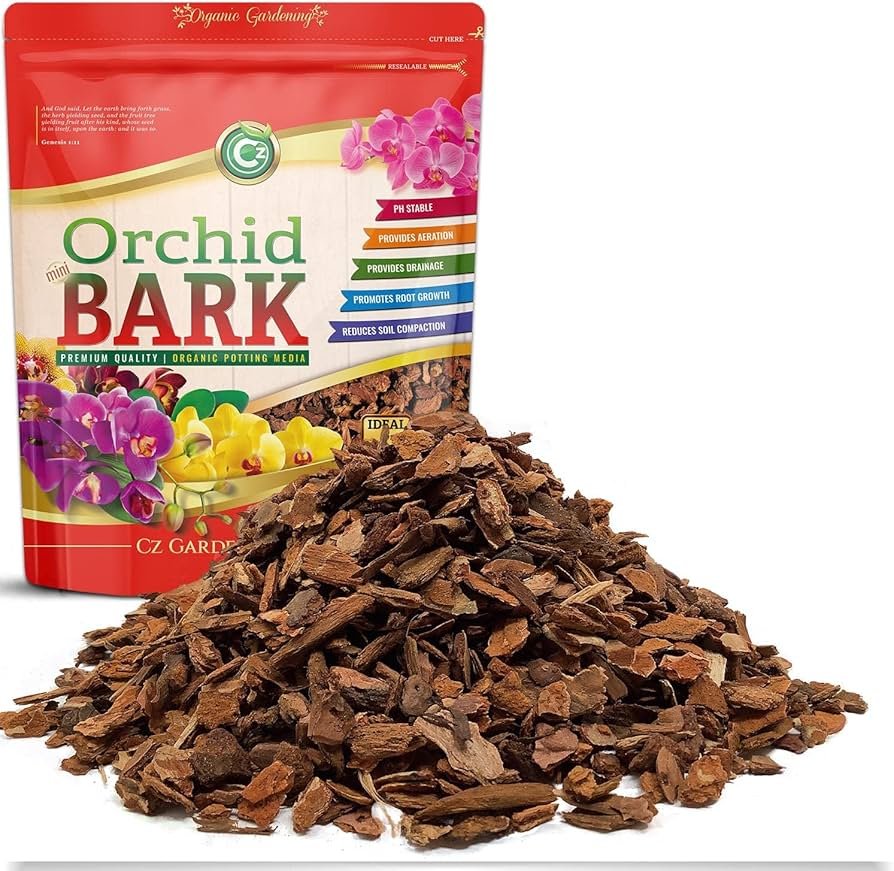
| Orchid bark | Cleaner look, less mess | Medium–High | Easy spot cleaning | $12–$26 / bag |
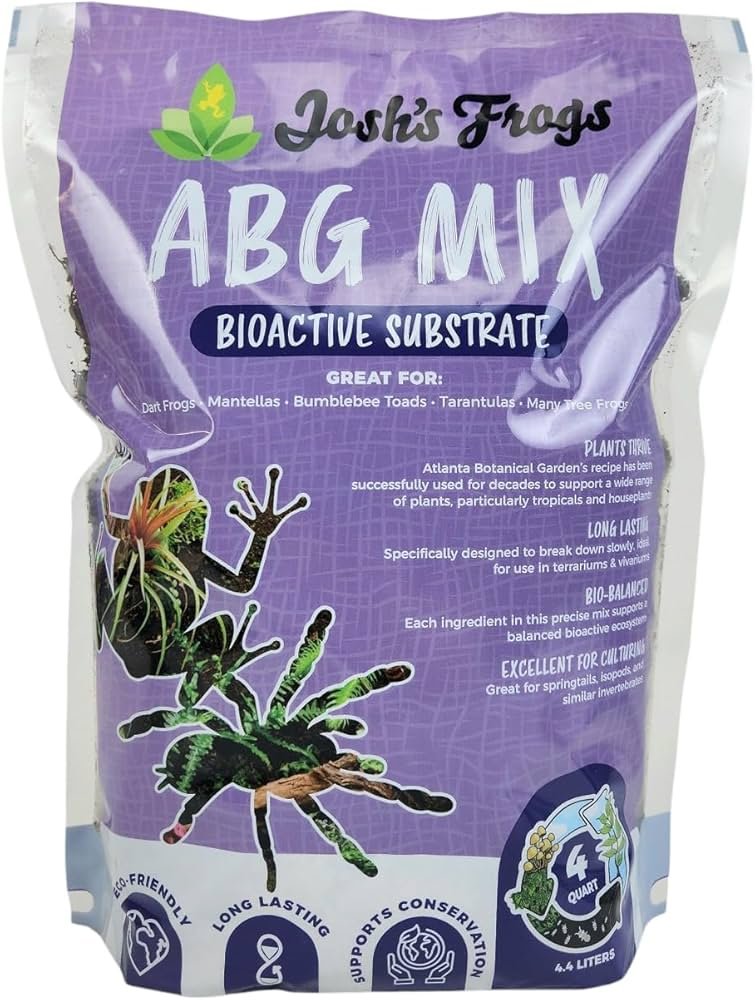
| Bioactive mix (tropical-style) | Natural display enclosure | Medium–High | Less frequent full changes | $35–$80 / kit |
| Paper towels (quarantine) | New snake, health checks | Low | Fast full changes | $3–$10 |
Best Substrate for Ball Pythons for Humidity and Easy Cleanup
Coconut Husk Chips (Coco Chips)
Coconut husk chips are a top daily pick because they hold moisture well without turning soggy fast. They also look clean in the enclosure and give your ball python a soft surface to move on.
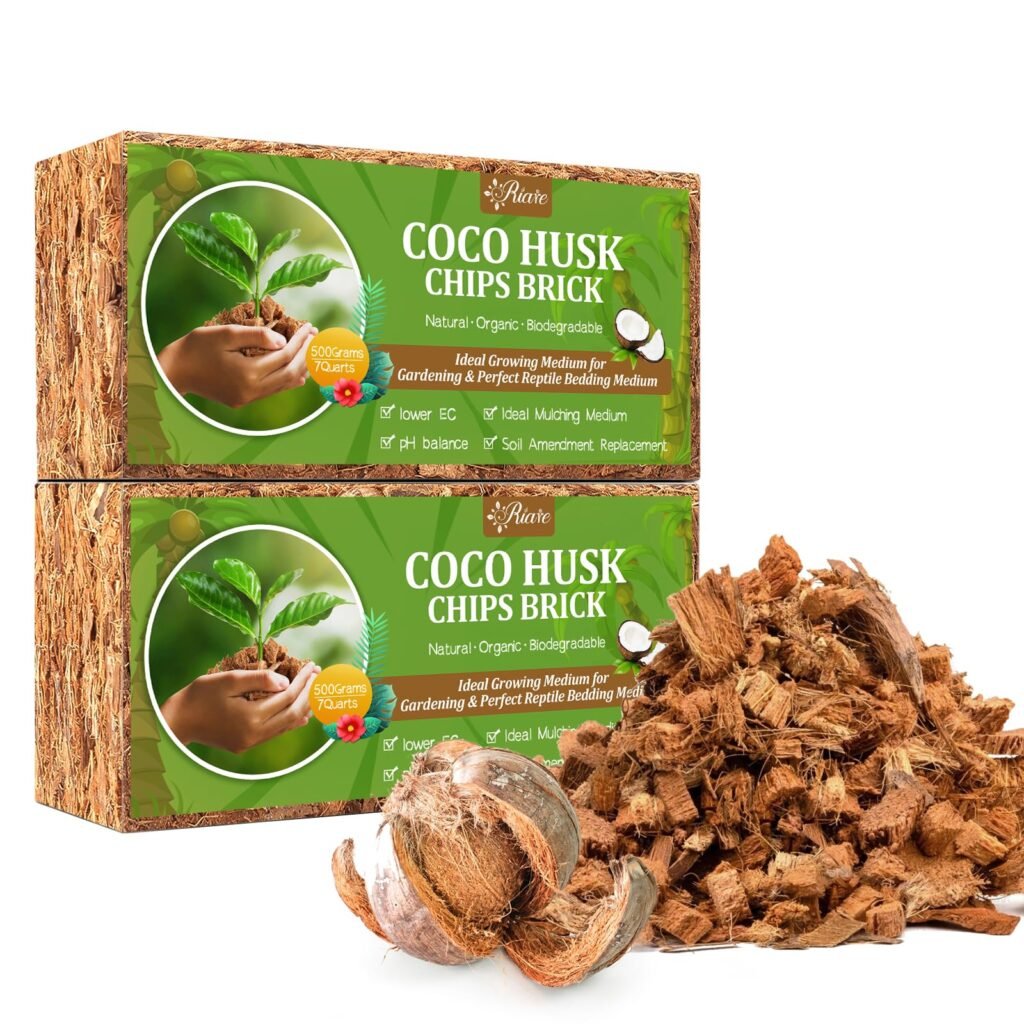
Spot cleaning is simple. You can remove soiled pieces and top up the area without dumping the whole bin every time.
Cypress Mulch for Ball Python Enclosures
Cypress Mulch
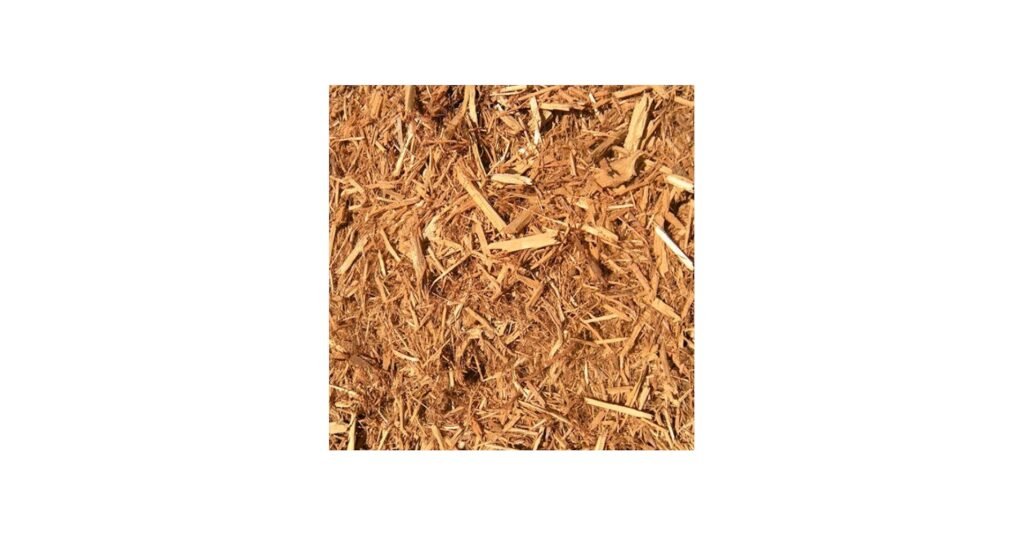
Cypress mulch is a strong choice if your humidity drops often. It holds moisture well and helps keep the enclosure from drying out too fast, which can make shedding harder.
It also works well in larger setups because it spreads evenly and stays in place better than lighter bedding.
If you keep other pets at home too, you may also like this guide on the best harness for cats for safe handling and daily routines.
Orchid Bark for Cleaner Day-to-Day Bedding
Orchid Bark
Orchid bark is a tidy option that many keepers like for its look and low dust. It can help with humidity, though it usually needs light misting or a humid hide to stay steady.
This bedding is also easy to spot clean. The pieces are larger, so waste is easier to find and remove.
Bioactive Bedding for Natural Setups
Bioactive Mix (Tropical-Style)
Bioactive bedding is for keepers who want a more natural display enclosure. It is usually a soil-based mix with leaf litter and clean-up bugs that help break down waste over time.
This setup needs planning. You still spot clean, but you do fewer full substrate swaps once the system is stable.
For home care and keeping living spaces clean, this may also help: the best outdoor cat house for winter.
Best Substrate for Ball Pythons During Quarantine
Paper Towels
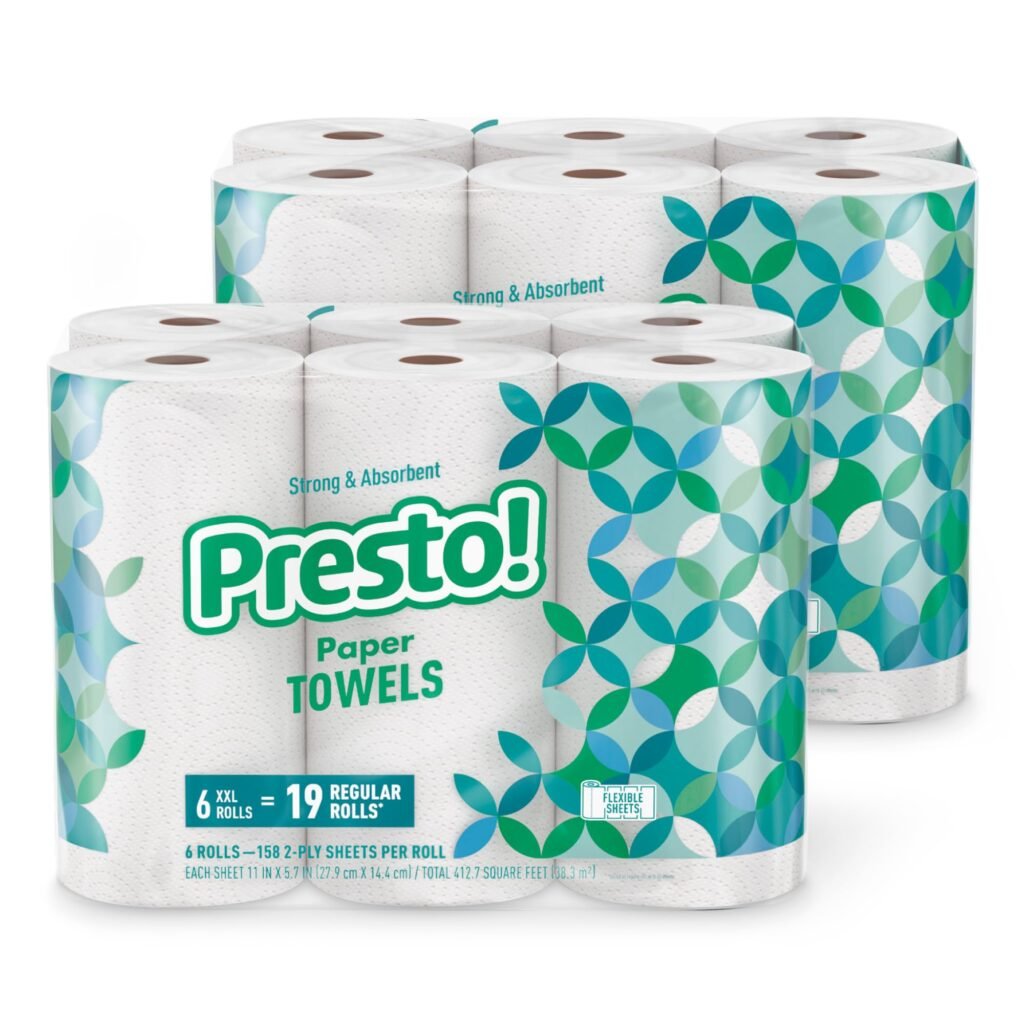
Paper towels are a go-to choice when you bring home a new ball python. They make it easy to see mites, stool changes, and leftover shed.
They do not hold humidity well, so many keepers add a humid hide or light misting. In the USA, this method is common during the first weeks while you track your health.
If your pet area needs extra cleaning support, you can also check the best cleaner for a dishwasher for basic kitchen cleanup routines.
Substrates to Avoid
- Sand: can cause gut blockage if swallowed
- Cedar shavings: oils can irritate the breathing
- Gravel: can hurt the mouth and scales
- Dusty bedding: can bother the lungs
Care Tips for Bedding and Humidity
- Spot clean daily or as soon as you see waste
- Change the full bedding on a simple schedule that fits your setup (often every 2–4 weeks for non-bioactive)
- Keep a humid hide if shedding looks patchy
- Check for wet corners and remove them to reduce mold risk
FAQs
Coconut husk chips and cypress mulch are common picks because they hold moisture well.
Yes. It works well for quarantine and health checks, but you may need a humid hide.
Aspen is often too dry for many ball python setups and can mold if you mist heavily.
Many keepers start around 1–3 inches, then adjust based on the enclosure size and humidity results.
DISCLAIMER:
This blog post is for informational purposes only. We make every effort to provide accurate, current, and well-sourced information, but we cannot guarantee its completeness or absolute accuracy.
All images, videos, and logos used on this page belong to their respective owners. We aim to credit and reference them appropriately. If you are the rightful owner and wish to have your image, video, or logo removed, please contact us.