- Topic: Best stain for cedar (2026 guide)
- Best for: Cedar decks, fences, pergolas, and siding
- Stain types: Clear, semi-transparent, solid
- Base types: Oil-based and water-based
- Updated: 2026
The best stain for cedar keeps the wood looking clean while helping it handle sun, rain, and temperature swings. Cedar can fade and dry out fast outdoors, so the right stain choice matters most on decks and fences.
This 2026 guide focuses on cedar stains that are popular for outdoor use, with options for a natural look or more coverage. The picks below are grouped by finish style, ease of upkeep, and how they handle weather.
| Stain | Base | Finish | Best For | Estimated Price |
|---|---|---|---|---|
| Ready Seal (Natural Cedar) | Oil-based | Semi-transparent | Fast DIY application, easy recoat | $45–$70 per gallon |
| TWP 100 Pro Series | Oil-based | Semi-transparent | Sun + water exposure on cedar decks | $45–$80 per gallon |
| Cabot Australian Timber Oil | Oil blend | Translucent / tinted oil | Rich tone on cedar, outdoor furniture | $45–$75 per gallon |
| DEFY Extreme (Semi-Transparent) | Water-based | Semi-transparent | Hot sun areas, faster cleanup | $50–$80 per gallon |
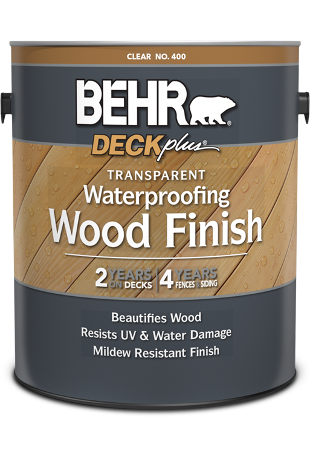
| BEHR DECKplus Transparent Waterproofing Wood Finish | Water-based (acrylic) | Transparent | Natural look with a light tint | $35–$55 per gallon |
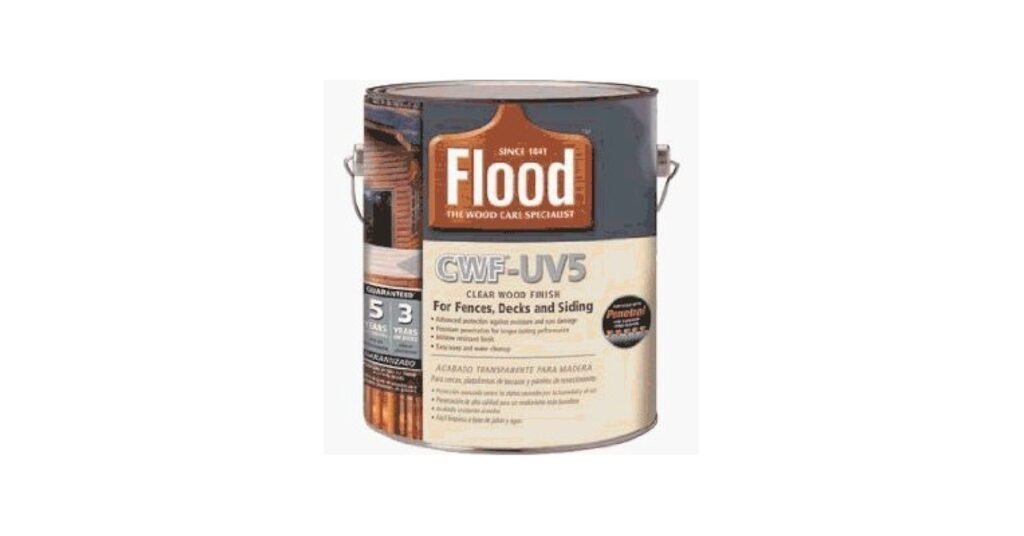
| FLOOD PRO CWF-UV5 Penetrating Wood Finish | Oil-based | Penetrating tint | Older cedar that needs a deep soak | $35–$60 per gallon |
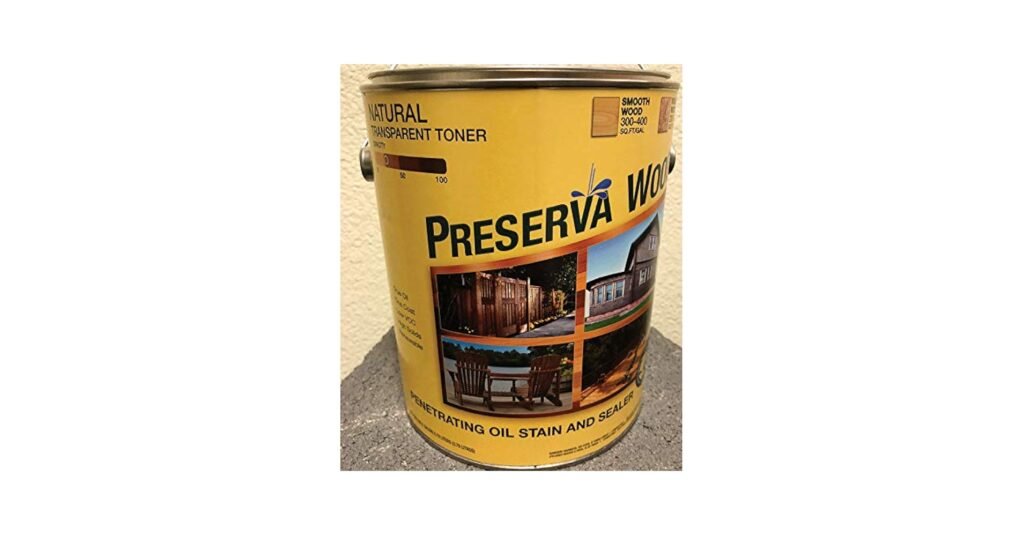
| Preserva Wood (Penetrating Stain + Sealer) | Oil-based | Transparent / semi-transparent | Cedar decks and fences needing conditioning | $45–$75 per gallon |
Best Stain for Cedar for Easy DIY Upkeep
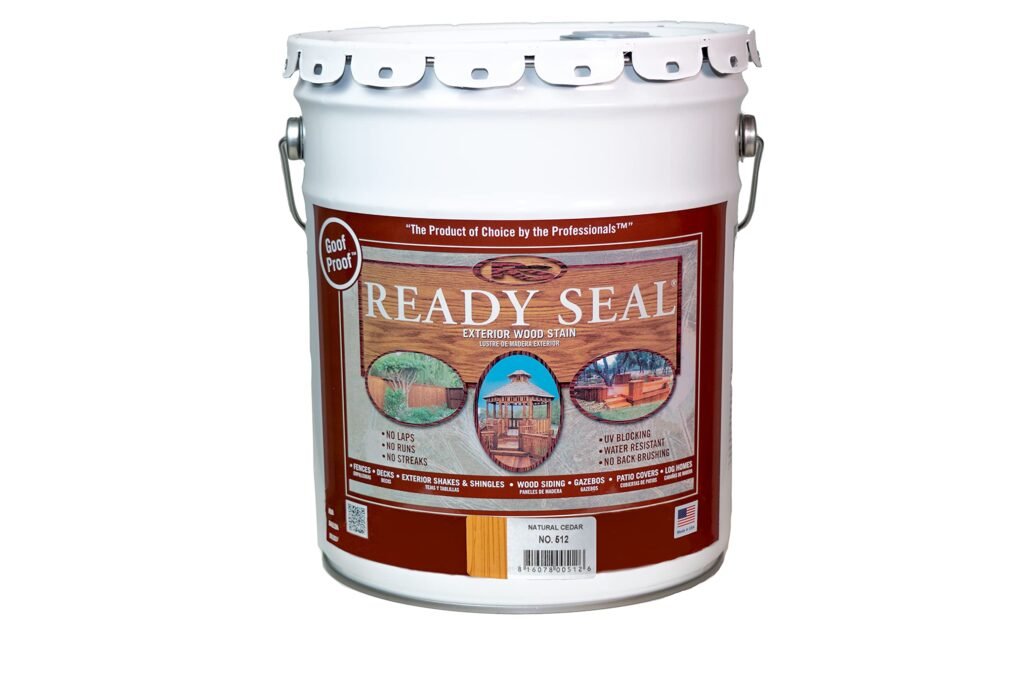
Ready Seal (Natural Cedar)
Ready Seal is a common pick when you want a natural cedar look without a complicated process. It’s known for its simple application and a finish that does not feel plastic-like.
It also suits cedar decks that need a refresh later, since many people recoat without heavy sanding when the time comes. Plan your prep first: the best sandpaper for wood can help you choose grits for smoothing and light scuffing
Best Semi-Transparent Stain for Cedar Decks
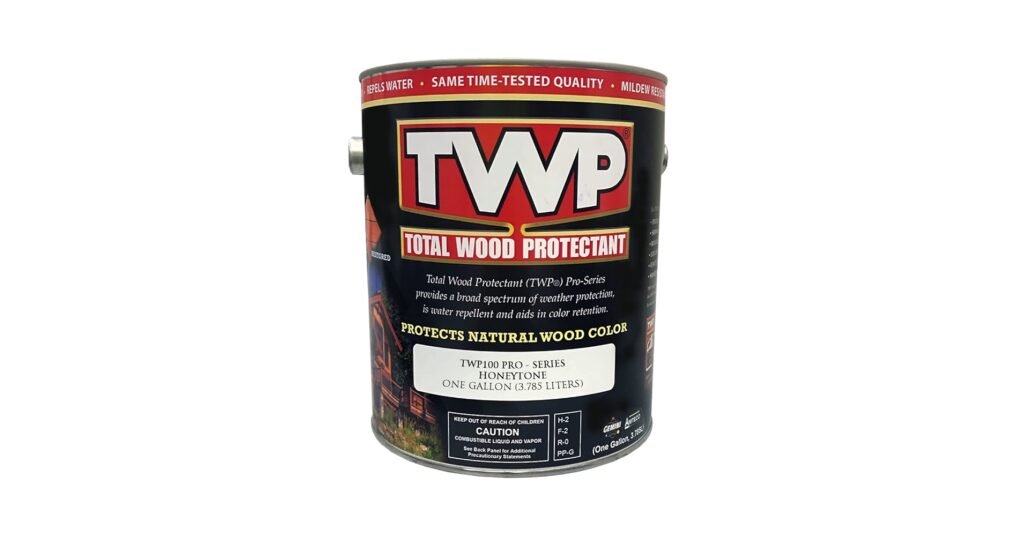
TWP 100 Pro Series
TWP 100 is a semi-transparent option made for exterior wood. It’s often chosen when you want color that still shows cedar grain, plus water repellency for weather exposure.
This is a good fit for cedar decks that see sun and rain and need a stain that soaks in rather than sitting like a thick film. If you have small cracks or nail holes to fix before staining, the best wood filler for staining can help your surface look more even.
Best Oil Option for a Rich Cedar Tone
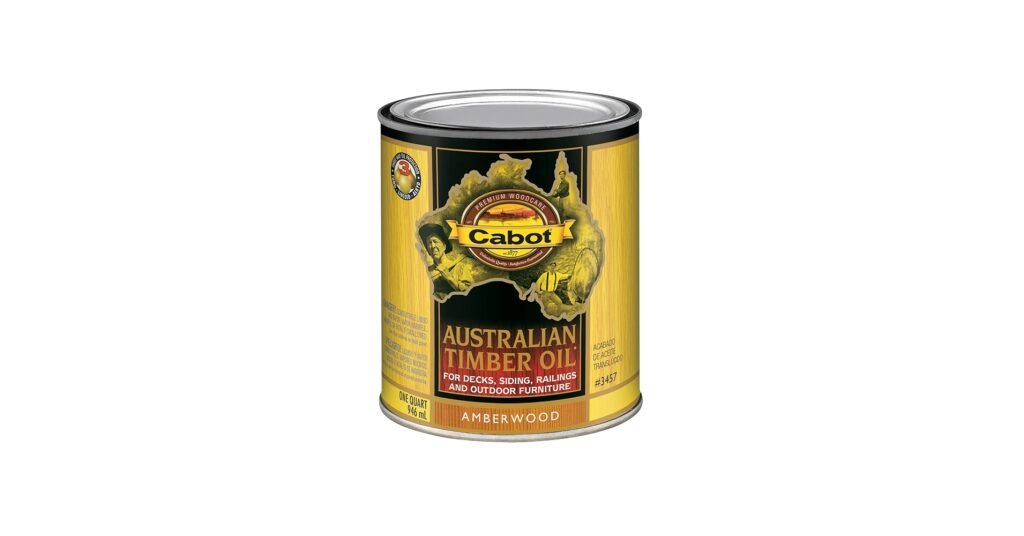
Cabot Australian Timber Oil
Cabot Australian Timber Oil is made to sink in and give cedar a deeper, richer look. It’s an oil blend that’s often used for decks and outdoor wood where you want more tone than a clear product provides.
It’s also a nice match for cedar railings and outdoor furniture because the finish can bring out texture and grain without hiding it.
Best Water-Based Stain for Cedar in Sunny Areas
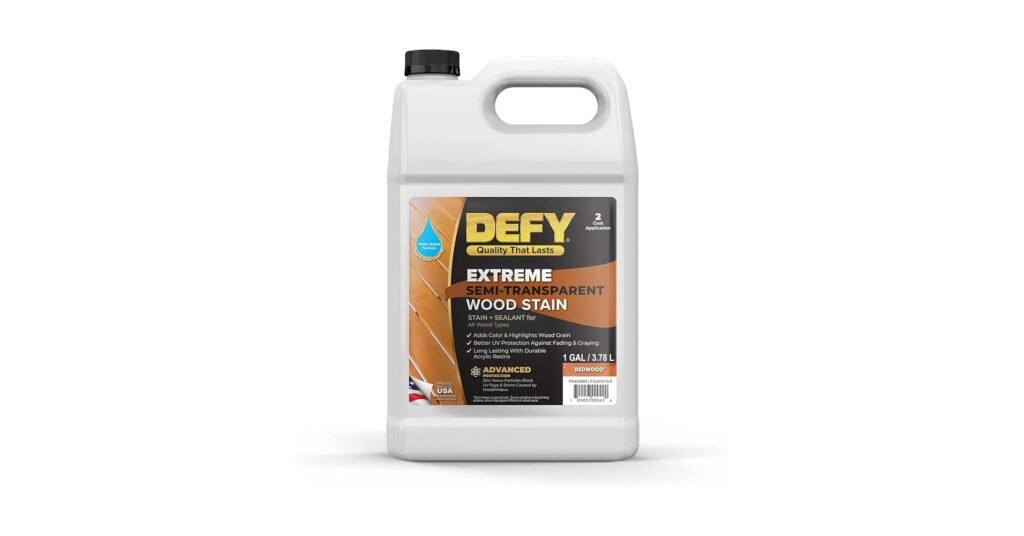
DEFY Extreme (Semi-Transparent)
DEFY Extreme is a water-based stain that’s often chosen for outdoor wood, including cedar. The brand highlights UV-blocking additives and moisture protection, which can matter on decks that bake in strong sun.
Cleanup is usually simpler with water-based stains than oil-based ones, which many DIY users prefer. If your cedar has an old coating that needs stripping first, the best paint stripper for wood can help with prep planning.
Best Clear-Style Pick for Cedar’s Natural Look
BEHR DECKplus Transparent Waterproofing Wood Finish
If your goal is “as natural as possible,” BEHR’s transparent option is meant to keep the wood look front and center while still helping with water and sun exposure. BEHR notes water sealing and UV blocking in the product description.
This works best when the cedar surface is in decent shape, since transparent finishes do not hide flaws the way solid stains do.
Best Penetrating Stain for Older Cedar
FLOOD PRO CWF-UV5 Penetrating Wood Finish
For cedar that looks dry or tired, a penetrating oil finish can be a smart route. FLOOD describes CWF-UV5 as a penetrating finish that helps guard against moisture and sun damage.
This can be a good match for fences and decks where you want the stain to soak in and refresh the wood tone without building a thick layer.
Best Stain + Sealer Combo for Cedar
Preserva Wood (Penetrating Stain and Sealer)
Preserva Wood penetrating stain and sealer on cedar boards, showing a conditioned look with a soft, natural sheen.
Preserva Wood is marketed as a penetrating stain and sealer for exterior wood like decks and fences. It’s often chosen when cedar looks dry, and you want a finish that conditions the surface while adding color.
This style of product is also handy when you want a “stain + sealer in one” setup and prefer an oil feel rather than a thick topcoat.
How to Choose the Best Stain for Cedar
Pick the finish based on how much wood grain you want to see
- Transparent: shows the most grain, but hides almost nothing
- Semi-transparent: adds color while still showing grain
- Solid: covers grain, hides flaws better, looks more like paint
Match stain type to your weather
- Hot sun: look for products that talk about UV protection
- Frequent rain: choose stains that stress water repellency
- Shade + moisture: mildew resistance matters most
Prep matters more than most people think
Clean the surface, let it dry fully, and scuff sand if needed. If you rush prep, even a good stain can look uneven.
FAQs
A: Many DIY users pick Ready Seal for easy application, while TWP 100 and Cabot Timber Oil are popular for a deeper tone.
A: Oil-based stains often soak in and give a warmer look. Water-based stains can be easier to clean up and can still last well.
A: It depends on sun and rain exposure. Transparent finishes often need refresh sooner than semi-transparent or solid stains.
A: If the surface is rough, gray, or uneven, light sanding helps the stain go on more evenly. If old coating is peeling, remove it first.
DISCLAIMER:
This blog post is for informational purposes only. We make every effort to provide accurate, current, and well-sourced information, but we cannot guarantee its completeness or absolute accuracy.
All images, videos, and logos used on bestfordaily.com are the property of their respective owners. We aim to credit and reference them appropriately. If you are the rightful owner and wish to have your image, video, or logo removed, please get in touch with us.