- Topic: Best pot for aloe plant (2026 guide)
- Best for: Indoor aloe, patio pots, small container gardens
- Top features: Drainage holes, breathable material, stable base
- Common pot types: Terracotta, ceramic, plastic nursery, self-watering
- Updated: 2026
The best pot for aloe plant is one that drains fast and does not trap water around the roots. Aloe stores water in its leaves, so soggy soil is a common reason it struggles.
In this 2026 guide, you’ll find pots that work for indoor aloe, patios, and small spaces. Each pick below focuses on drainage, comfort for roots, and easy day-to-day care.
| Pot | Material | Best For | Drainage | Estimated Price |
|---|---|---|---|---|
| Classic Terracotta Pot + Saucer | Terracotta | Most aloe plants | Yes (bottom hole) | $6–$18 |
| Glazed Ceramic Pot (with drain hole) | Ceramic | Indoor décor + stability | Yes (bottom hole) | $12–$35 |
| Plastic Nursery Pot (inside a cover pot) | Plastic | Low cost + easy repotting | Yes (many holes) | $3–$12 |
| Concrete/Cement Planter (with drain hole) | Cement | Top-heavy aloe outdoors | Yes (bottom hole) | $20–$60 |
| Breathable Fabric Grow Bag | Fabric | Fast drying in humid areas | Yes (breathable sides) | $8–$20 |
| Wicking “Self-Watering” Pot (use with care) | Plastic/Ceramic mix | Busy schedules (only if soil stays dry) | Reservoir + wick | $15–$45 |
Best Overall Pot Choice for Aloe
Classic Terracotta Pot + Saucer
Terracotta is a top pick for aloe because it breathes. It lets moisture leave the soil faster than many other materials. That helps aloe roots stay on the dry side.
Pick a pot with a drain hole and use a saucer to protect shelves. For soil, choose a gritty mix that drains quickly. If you want a soil guide that’s close to aloe needs, see the best soil for snake plant.
Best Indoor Look Without Trapping Water
Glazed Ceramic Pot With a Drain Hole
Ceramic pots can work well for aloe if they have a real drain hole. The weight also helps with larger aloe plants that can tip over in light pots.
Use a saucer and empty it after watering. If the pot has no hole, skip it for aloe. A no-hole pot can hold water at the bottom for too long.
Best Low-Cost Pot That Makes Repotting Easy
Plastic Nursery Pot (Inside a Cover Pot)
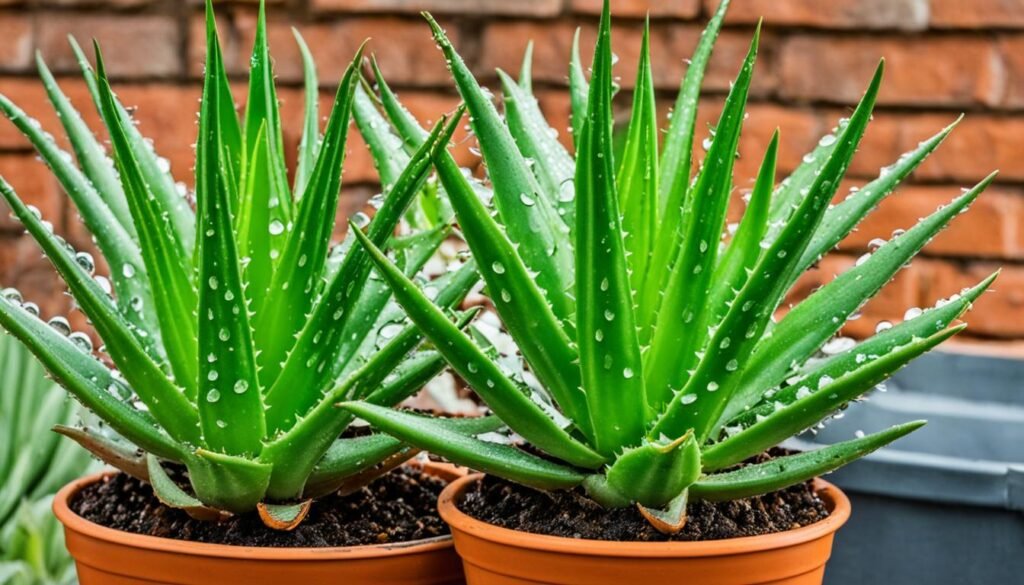
A plastic nursery pot is simple and works well when you water carefully. Many have several drain holes, so excess water drains quickly. Repotting is also quick because the pot flexes.
If you want the “decor pot” look, keep the aloe in the nursery pot and place it inside a cover pot. Just don’t let water sit in the cover pot. For other indoor plant setups, you may also like the best plants for a bathroom.
Best Heavy Pot for Outdoor Aloe
Concrete or Cement Planter With Drainage
Concrete planters are great when aloe gets big and top-heavy. The weight helps keep the plant stable in wind and on uneven patios.
Choose one with a drain hole and use a fast-draining mix. Concrete can hold cool temps, so it’s also helpful in very hot areas where pots heat up fast.
Best Pot Style for Humid Homes
Breathable Fabric Grow Bag
If your home stays humid, aloe soil can dry slowly. Fabric grow bags help by letting air move through the sides. That can reduce wet soil time after watering.
Use a tray under the bag to catch drips. This style is not the prettiest, but it works well if you have had rot issues before.
Best “Low-Attention” Option (Use Carefully)
Wicking Self-Watering Pot
Self-watering pots can work for aloe, but only if the soil stays dry most of the time. Many reservoir pots keep soil damp, which aloe does not like.
If you use one, pick a small reservoir and a gritty mix. Let the reservoir go empty and stay empty for a while before refilling. If you want a safer, low-effort option, stick with terracotta plus a good soil mix.
How to Pick the Right Size Pot
Start with a pot just a bit wider than the root ball
Aloe does better in a snug pot than a huge one. A large pot holds more wet soil, which can slow drying.
Repot only when the plant is crowded
Signs include roots coming out of the holes, frequent tipping, or pups filling the surface. When you repot, go up one size, not three sizes.
Drainage Rules for Aloe Pots
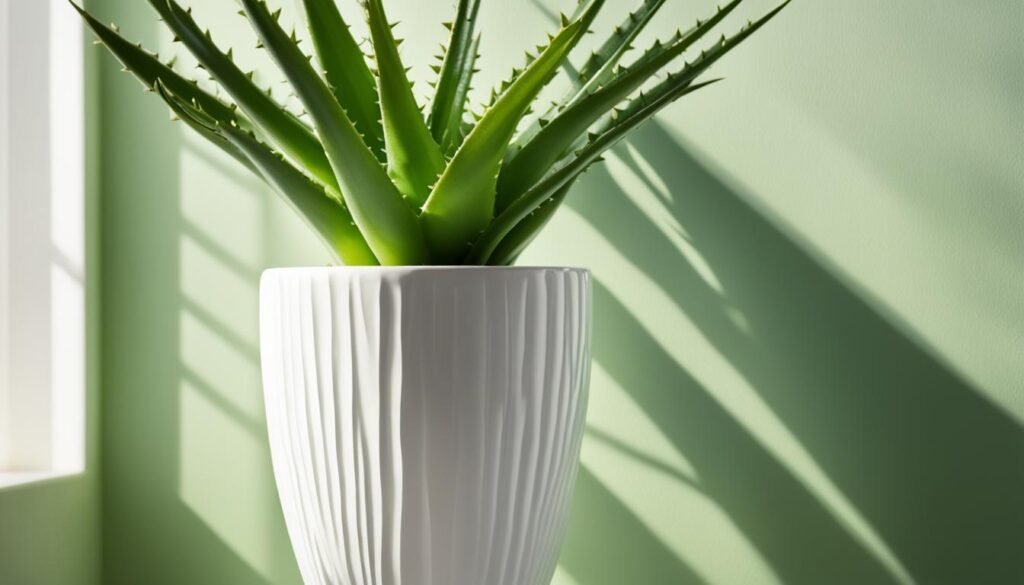
Always choose a pot with a drainage hole
A drain hole is a must for aloe. If a pot has no hole, it is better used as a cover pot.
Use a fast-draining mix
A gritty cactus/succulent mix is a good base. You can also add perlite or pumice for more airflow. If you want a quick potting reference, the best house plants for low light has indoor care ideas that still help with container basics.
FAQs
Q: What is the best pot for aloe plant indoors?
A: A terracotta pot with a drain hole is a safe indoor pick. A ceramic pot can work too, if it has a drain hole.
Q: Is terracotta better than plastic for aloe?
A: Terracotta dries faster. Plastic can work, but you need tighter control on watering.
Q: Can I use a self-watering pot for aloe?
A: Sometimes, but it’s risky. Aloe prefers dry soil. Many self-watering pots keep soil damp for too long.
Q: What size pot should I use for aloe?
A: Use a pot just a little wider than the root ball. Move up one size when repotting.
DISCLAIMER:
This blog post is for informational purposes only. We make every effort to provide accurate, current, and well-sourced information, but we cannot guarantee its completeness or absolute accuracy.
All images, videos, and logos used on bestfordaily.com are the property of their respective owners. We aim to credit and reference them appropriately. If you are the rightful owner and wish to have your image, video, or logo removed, please get in touch with us.