- Topic: Best plants for closed terrariums (2026 guide)
- Best for: High humidity, low airflow, indirect light
- Plant types: Ferns, vines, compact foliage plants
- Skill level: Beginner to intermediate
- Updated: 2026
The best plants for closed terrariums are those that enjoy humidity, tolerate low airflow, and grow slowly in indirect light. A sealed terrarium creates a stable micro-climate, which means the wrong plant choice can lead to rot, mold, or overcrowding.
This 2026 guide focuses on terrarium plants that stay compact, look good long-term, and work well together. Each plant below is suited for closed glass containers with minimal maintenance.
| Plant | Type | Best Use | Light Needs | Estimated Price |
|---|---|---|---|---|
| Lemon Button Fern | Fern | Background greenery | Low–medium indirect | $6–$12 |
| Creeping Fig | Vine | Wall coverage | Medium indirect | $7–$15 |
| String of Turtles | Vine | Trailing accent | Low–medium indirect | $8–$18 |
| Nerve Plant | Foliage | Color contrast | Low indirect | $6–$14 |
| Polka Dot Plant | Foliage | Visual highlights | Medium indirect | $5–$10 |
Best Ferns for Closed Terrariums
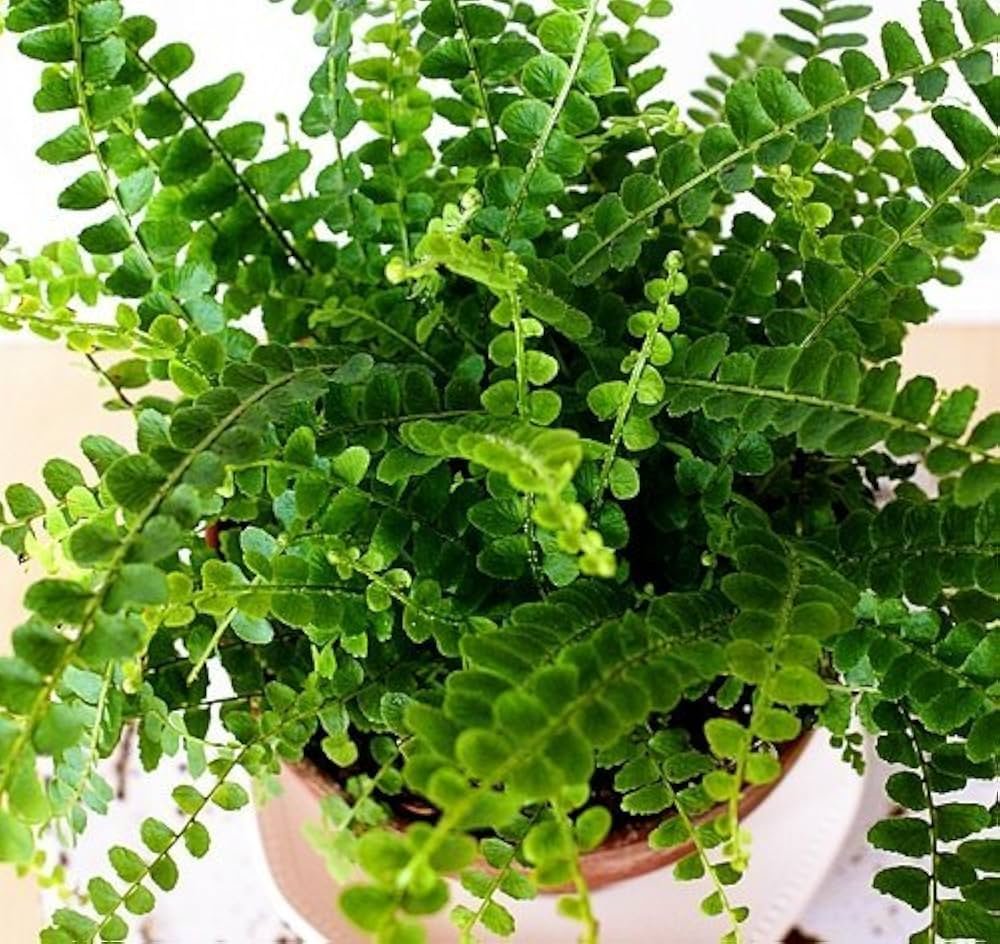
Lemon Button Fern (Nephrolepis cordifolia ‘Duffii’)
Lemon Button Fern is one of the best plants for closed terrariums because it thrives in constant humidity. Its compact growth and soft fronds make it ideal for small to medium containers.
This fern works well as a background plant and pairs nicely with colorful foliage. It also fits well in environments similar to bathrooms, where moisture levels are high, much like the best plants for bathroom setups.
Best Vine Plants for Closed Terrariums
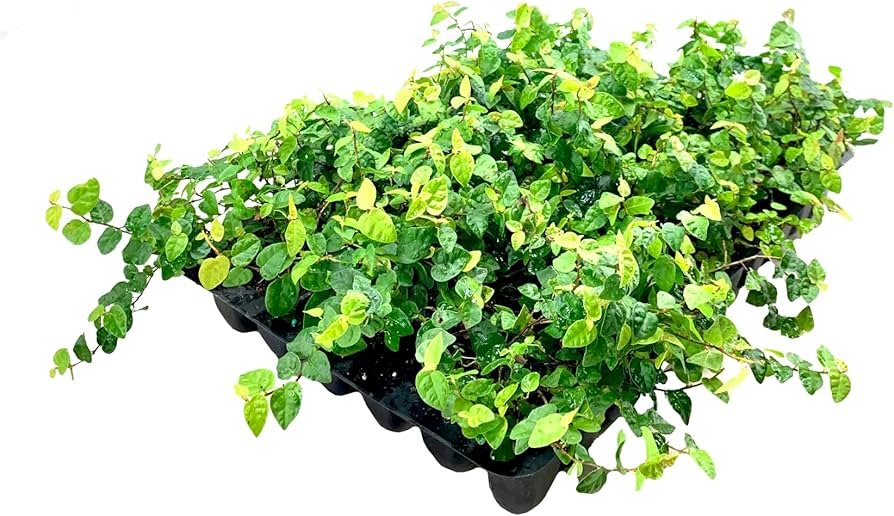
Creeping Fig (Ficus pumila)
Creeping Fig is a fast-rooting vine that clings to glass and hardscape. In closed terrariums, it creates a natural forest look without needing airflow.
It should be trimmed regularly to prevent overcrowding. If you enjoy trailing plants, this vine gives a similar effect to shade-tolerant hanging varieties, making it a good choice for best plants for hanging baskets in shade.
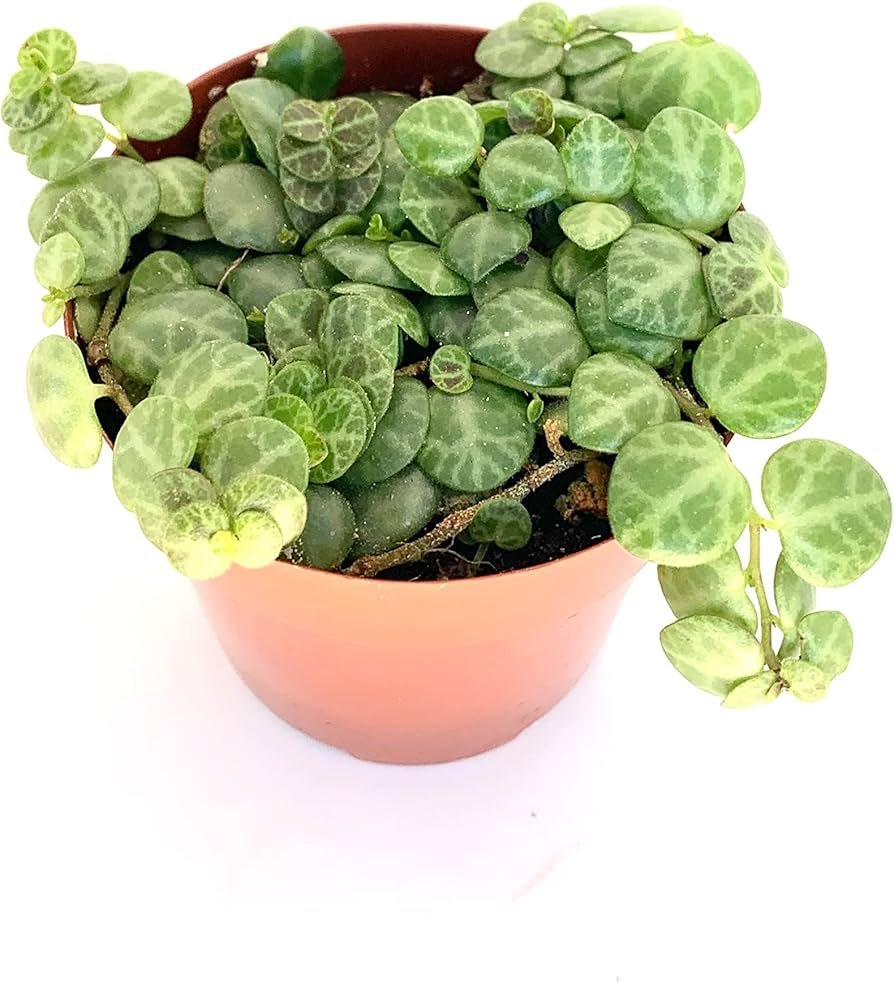
String of Turtles (Peperomia prostrata)
String of Turtles adds texture and visual interest without aggressive growth. Its small leaves stay compact and respond well to the humid conditions of a terrarium.
This plant prefers consistent moisture and indirect light. Avoid placing it near direct sunlight to prevent leaf damage.
Best Foliage Plants for Closed Terrariums
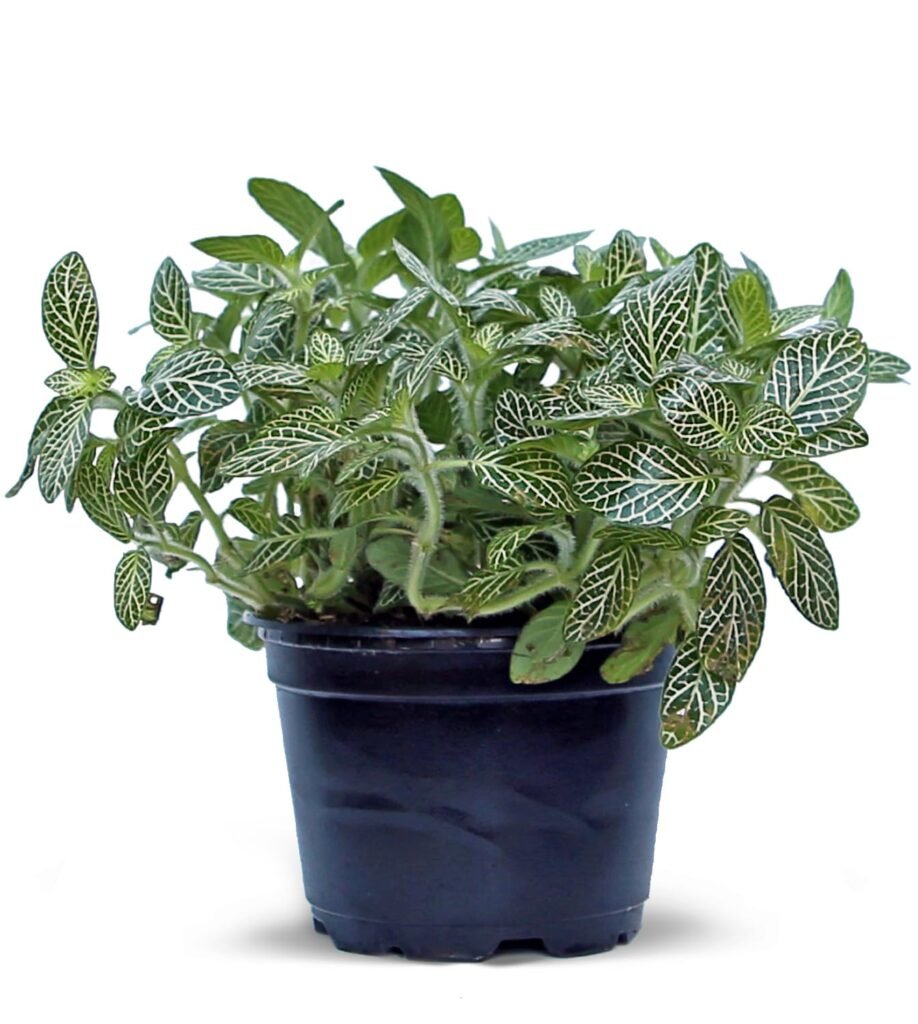
Nerve Plant (Fittonia albivenis)
Fittonia is one of the most popular closed terrarium plants due to its love for humidity. Its bold leaf patterns add strong contrast to green backgrounds.
It also acts as a visual indicator. If leaves droop, humidity is too low, making it easy for beginners to adjust conditions.
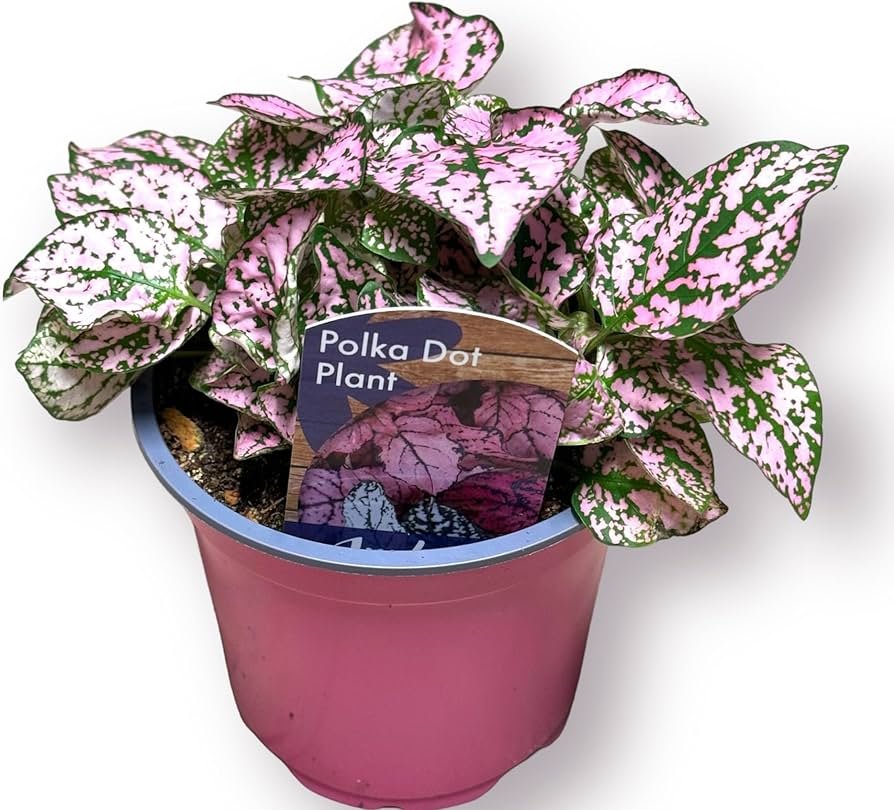
Polka Dot Plant (Hypoestes phyllostachya)
Polka Dot Plant brings color into terrariums that might otherwise look flat. It stays compact with pruning and performs well in sealed containers.
Because it prefers low light, it fits the same environment as the best house plants for low light.
Plants to Avoid in Closed Terrariums
Some plants struggle in sealed environments and are better suited for open terrariums.
Avoid:
- Most succulents and cacti
- Air plants (Tillandsia)
- Aloe and Echeveria
These plants need airflow and dry conditions, which closed terrariums cannot provide.
How to Choose the Best Plants for Closed Terrariums
Match growth speed
Choose slow-growing plants to reduce pruning.
Keep the light needs similar
Mix plants that all prefer indirect light.
Think in layers
Use ferns for height, vines for coverage, and foliage for color.
FAQs
A: Ferns, vines, and humidity-loving foliage plants such as Fittonia and Creeping Fig work best.
A: Very rarely. Most closed terrariums recycle moisture naturally.
A: No, most succulents need airflow and dry soil.
A: Bright, indirect light is ideal. Avoid direct sunlight.
DISCLAIMER:
This blog post is for informational purposes only. We make every effort to provide accurate, current, and well-sourced information, but we cannot guarantee its completeness or absolute accuracy.
All images, videos, and logos used on bestfordaily.com are the property of their respective owners. We aim to credit and reference them appropriately. If you are the rightful owner and wish to have your image, video, or logo removed, please get in touch with us