Quick Facts: Best Mulch for Landscaping
- The best mulch for landscaping improves soil health, controls weeds, and enhances curb appeal.
- Organic mulch supports plants by adding nutrients as it breaks down.
- Inorganic mulch lasts longer but does not improve soil quality.
- Ideal mulch depth is 2–4 inches for most landscape beds.
- Choosing the right mulch depends on plant type, climate, and design goals.
Keeping your yard clean and visually appealing starts with choosing the best mulch for landscaping. The right mulch protects plants, reduces weed growth, and helps soil retain moisture while improving the overall look of your outdoor space.
With many mulch types available in 2026, selecting the right option means balancing durability, appearance, soil impact, and cost. Below is a clear breakdown to help you choose confidently.
| Mulch Type | Best Use | Longevity | Soil Benefit | Avg Price (2026) |
|---|---|---|---|---|
| Arborist Wood Chips | Garden beds, trees | Medium | High | $25–$45 per cubic yard |
| Bark Mulch | Decorative landscapes | Medium | Moderate | $4–$6 per bag |
| Rubber Mulch | Playgrounds, paths | Very long | None | $8–$12 per bag |
| Stone Mulch | Low-maintenance areas | Permanent | None | $150–$300 per ton |
Benefits of Using Mulch in Landscaping
Mulch protects soil from erosion caused by wind and heavy rain. It keeps topsoil in place, which helps plants grow stronger roots.
It also limits weed growth by blocking sunlight. This reduces the need for constant maintenance and keeps landscaping areas tidy.
Mulch helps maintain stable soil temperatures. During hot months, it keeps its roots cooler. In colder seasons, it provides insulation that protects plants.
Best Organic Mulch for Landscaping
Organic options are often considered the best mulch for landscaping because they improve soil quality over time.
Arborist Wood Chips
Arborist wood chips are made from whole tree trimmings. They contain leaves, bark, and wood, which helps improve soil structure.
As they break down, they slowly add nutrients to the soil. This makes them ideal for garden beds, trees, and shrubs.
Bark Mulch
Bark mulch offers a clean and polished look. It works well in decorative landscapes and around walkways.
It holds moisture effectively and breaks down more slowly than regular wood chips, reducing how often you need to reapply.
If you are also working on garden aesthetics, pairing mulch with proper plant choices matters. Articles like Best Evergreen Shrubs for the Front of the House can help you plan balanced landscaping.
Inorganic Mulch Options
Inorganic mulch does not break down and requires very little upkeep.
Stone Mulch
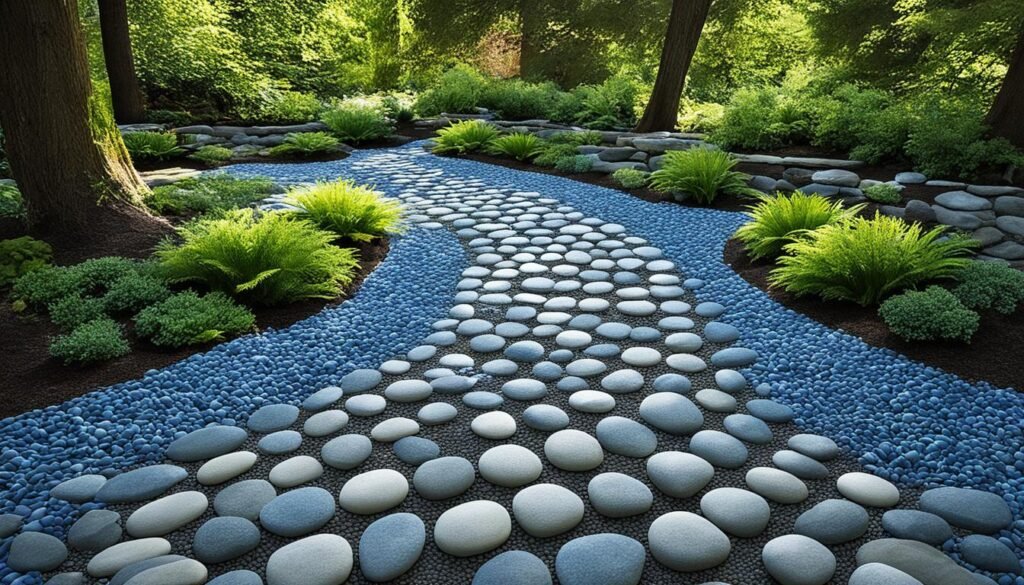
Stone mulch lasts indefinitely and works well in dry climates. It is often used in modern or minimalist designs.
However, it does not improve soil health. Weed control may still require fabric underneath.
Rubber Mulch
Rubber mulch stays in place and resists decay. It is commonly used in playgrounds or on paths.
While it lasts long, it does not support plant growth and may trap heat in sunny areas.
Living Mulch for Landscaping
Living mulch includes low-growing plants that cover the soil.
Ground covers such as creeping thyme or clover reduce erosion and suppress weeds. They also improve visual appeal and attract beneficial insects.
Living mulch requires water and maintenance, making it less suitable for low-effort landscaping projects.
Choosing the Best Mulch for Landscaping Projects
The best mulch for landscaping depends on your goals.
For gardens and trees, organic mulch improves soil health. For decorative areas, bark or stone mulch provides visual appeal. For low-maintenance zones, inorganic options reduce upkeep.
If your project includes structural elements, reading guides like best wood chips for smoking or best soil for roses can help align materials across outdoor spaces.
Proper Mulch Depth and Application
Apply mulch at a depth of 2–4 inches. This allows air and water to reach plant roots.
Avoid piling mulch directly against tree trunks or plant stems. Leave a small gap to prevent moisture buildup and root problems.
Check mulch levels yearly and refresh as needed.
Cost and Delivery Considerations
Bulk mulch delivery is cost-effective for large projects. Buying by the cubic yard often costs less than purchasing multiple bags.
Choose consistent quality mulch to avoid contamination with debris or pests.
FAQs
A: Arborist wood chips are one of the best choices due to soil benefits, cost efficiency, and moisture control.
A: Organic mulch usually needs refreshing every 12–18 months, depending on the climate.
A: Yes. A proper 2–4 inch layer blocks sunlight and limits weed growth.
DISCLAIMER:
This blog post is for informational purposes only. We make every effort to provide accurate, current, and well-sourced information, but we cannot guarantee its completeness or absolute accuracy.
All images, videos, and logos used on bestfordaily.com are the property of their respective owners. We aim to credit and reference them appropriately. If you are the rightful owner and wish to have your image, video, or logo removed, please get in touch with us.