Quick Facts
- Squarebill crankbaits shine in shallow cover and dirty water.
- Medium and deep divers keep your bait in the strike zone longer.
- Lipless crankbaits are perfect for covering water and yo-yoing through grass.
- Match crankbait depth to where bass are holding, not just surface conditions.
- Mix steady retrieves with pauses and deflections to trigger reaction bites.
| Crankbait | Depth Range | Best Conditions | Strengths | Best For |
|---|---|---|---|---|
| Strike King KVD 1.5 Squarebill | 3–6 ft | Windy, shallow cover, stained water | Erratic action, strong deflection, great in wood/rock | Shallow cover fishing |
| Rapala DT-6 | 4–8 ft | Clear to stained water, steady weather | Balsa build, quick dive, long strike-zone time | All-purpose medium divers |
| Strike King 6XD | 15–20 ft | Summer ledges, offshore points | Deep reach, great for hitting offshore structure | Deep offshore fishing |
| Bill Lewis Rat-L-Trap (Lipless) | 1–10 ft (varies by retrieve) | Windy banks, grass flats, fall + spring | Great for covering water, strong rattle, great in grass | Search bait for grass and flats |
| Strike King Red Eye Shad | 1–10 ft | Cold fronts, pre-spawn, stained water | Tight wiggle, loud rattle, steady or yo-yo retrieve | Cold water & reaction bites |
| SPRO Micro Little John 45 | 3–6 ft | Clear water, high pressure, post-front | Subtle profile, long casting, tight action | Finesse crankbait needs |
Are you ready to hook more bass, not just cast all day? Picking the best crankbaits for bass can turn a slow trip into a day you remember. The right plug covers water fast, hits the correct depth, and looks exactly like something bass want to eat.
This guide breaks down proven crankbaits that keep catching fish in 2025, plus clear tips on when and how to fish each style.
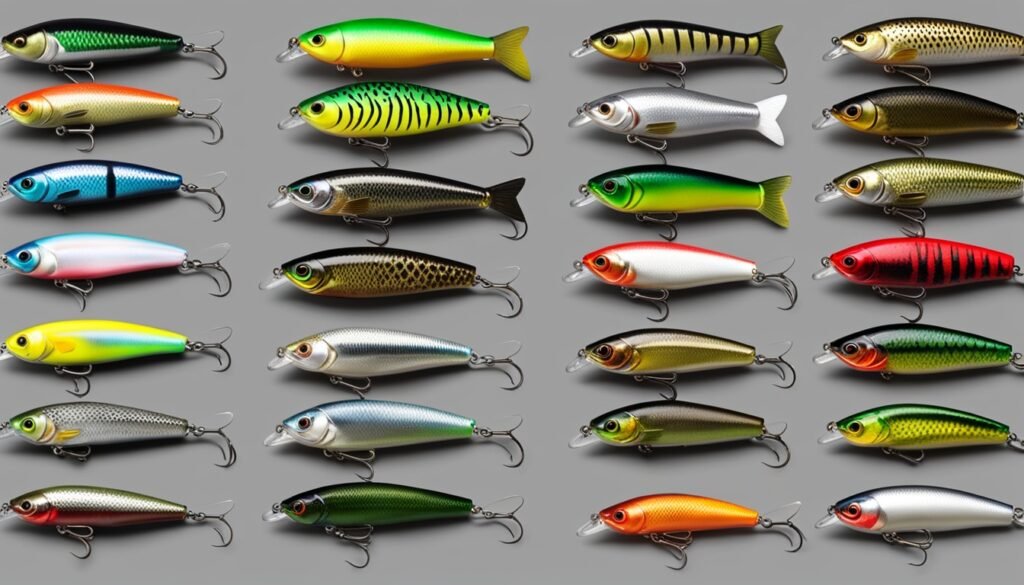
(This image is AI-generated)
How Crankbaits Work (And Why Bass Smash Them)
A crankbait is a hard plug that dives and wobbles as you turn the reel handle. The bill (or lip) on the front controls:
-
Depth – longer, steeper lips dive deeper
-
Action – some wobble wide, some hunt with a tight, nervous shake
To bass, a crankbait looks like:
-
A fleeing shad
-
A wounded bluegill
-
A crawfish scooting along the bottom
That “wobble + speed + deflection” mix taps into a bass’s reaction instinct. They hit even when they are not feeding hard.
Key pieces:
-
Bill angle and size: controls depth range
-
Body shape: rounder baits = wider wobble, slimmer baits = tighter wiggle
-
Buoyancy: many crankbaits float up when you pause, which lets you work over cover
Once you understand those pieces, you can pick crankbaits that match depth, cover, and season instead of guessing.
How to Choose the Best Crankbaits for Bass
When you’re choosing a crankbait, think less about “brand hype” and more about where and how you plan to fish.
1. Depth Range
Match crankbait depth to where the fish sit, not just the lake depth.
-
Shallow divers (0–5 ft) – riprap, docks, laydowns, grass edges
-
Medium divers (6–12 ft) – secondary points, channel swings, mid-lake rock
-
Deep divers (13–20+ ft) – ledges, offshore humps, deep points
The bait’s package usually lists a depth range in feet. For example, Rapala DT series baits are built to dive quickly to a set “dives-to” depth and stay there longer than many other models.
2. Water Clarity and Color
-
Stained / muddy water – chartreuse, firetiger, bold craw patterns
-
Clear water – natural shad, ghost, translucent colors
3. Water Temperature
-
Cold water – tighter wobble, lipless baits, smaller profiles
-
Warm water – wider wobble, big baits that move more water
4. Cover Type
-
Wood and rock – squarebills that deflect and bump cover
-
Grass – lipless crankbaits you can rip free from vegetation
-
Open or sparse cover – mid-depth and deep divers
If you also chase other species, you can use the same logic with baits from your best lures for striped bass setup too.
Best Crankbaits for Bass in 2025
Below are real, widely used lures that keep showing up in boats and tackle boxes, backed by years of catches and recent buyer guides.
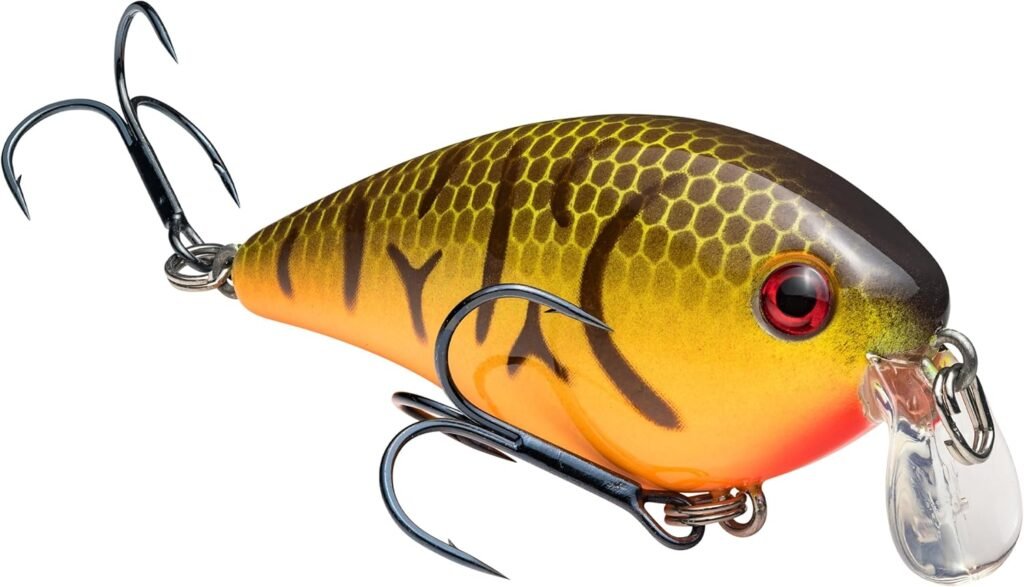
Strike King KVD 1.5 Squarebill – Best Shallow Cover Crankbait
The Strike King KVD 1.5 Squarebill is still one of the most trusted squarebills in bass fishing. It runs about 3–6 feet, hunts with an erratic action, and bangs off wood and rock without blowing out.
Best when:
-
Water depth: 2–6 ft
-
Cover: laydowns, stumps, riprap, dock posts
-
Conditions: stained water, windy banks, overcast days
Key tips:
-
Use 12–15 lb fluorocarbon or mono.
-
Crash it into cover, then pause. Many bites come as it flares and floats up.
-
Hot colors: Chartreuse Sexy Shad, Craw patterns for spring.
Rapala DT-6 – Best All-Round Medium Diver
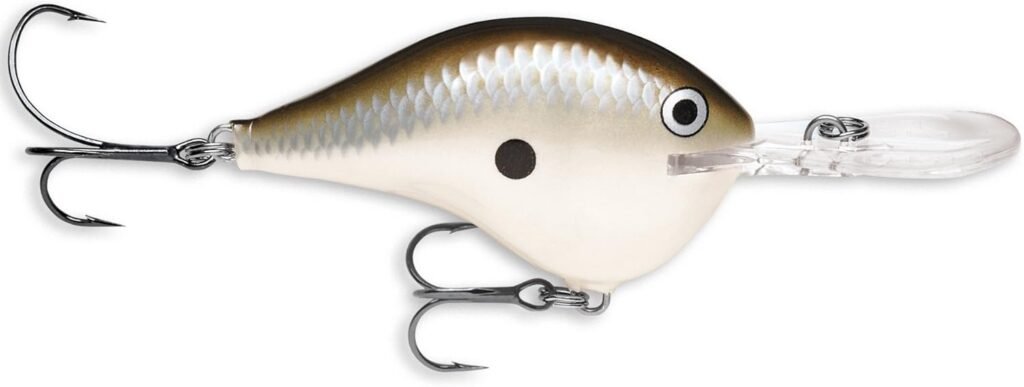
The Rapala DT-6 is part of the DT (“dives-to”) series, made from balsa and tuned to dive quickly to a set depth and stay in the strike zone. Tournament anglers have relied on DT models for years because they cast well, track true, and flat-out catch fish.
Best when:
-
Water depth: 4–8 ft
-
Cover: rock, shell beds, sparse grass, secondary points
-
Conditions: pre-spawn, post-spawn, steady weather
Key tips:
-
Use 10–12 lb fluorocarbon to reach full depth.
-
“Tick” the bottom instead of plowing it non-stop.
-
Demon, Caribbean Shad, and natural shad colors all see a lot of use.
Strike King 6XD – Best Deep-Diving Ledge Crankbait
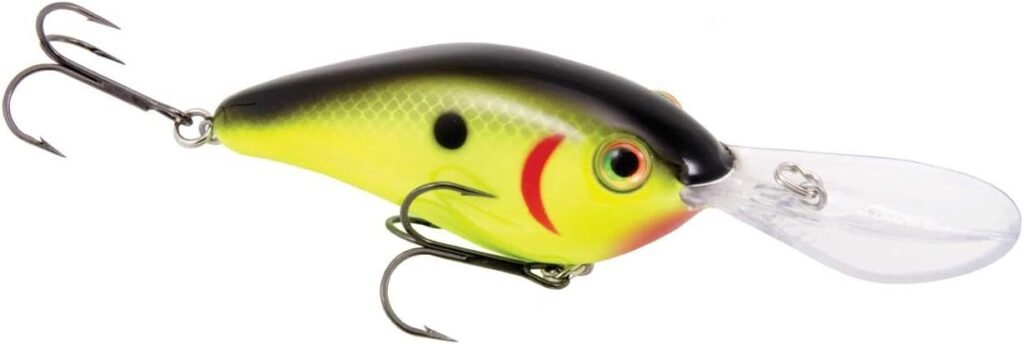
When bass push out to summer ledges and deep points, you need a plug that gets down fast. The Strike King 6XD is a staple on big reservoirs because it reaches 17–19 feet with the right line and a long cast, and it keeps hunting along the bottom.
Best when:
-
Water depth: 12–20 ft
-
Cover: offshore humps, shell beds, deep points, brush piles
-
Conditions: summer ledge fishing, fall schooling bass
Key tips:
-
Use a long rod and 10–12 lb fluorocarbon.
-
Make the longest cast you can, then grind until you feel bottom.
-
Mix in short pauses when you hit rock or brush.
Bill Lewis Rat-L-Trap – Best Lipless Crankbait for Covering Water
The Bill Lewis Rat-L-Trap is the classic lipless crankbait. It sinks, rattles loudly, and can be burned, yo-yoed, or crawled along the bottom. Anglers still call it one of the best-known lipless plugs for covering water fast and triggering reaction bites.
Best when:
-
Water depth: 2–10 ft (depends on retrieve speed)
-
Cover: grass flats, points, drains, open banks
-
Conditions: spring and fall, windy days, cloudy skies
Key tips:
-
In grass, let it sink, reel until you feel it hang, then rip it free.
-
In colder water, try a slow “yo-yo” lift-and-fall retrieve.
-
Chrome/Blue, Red Craw, and Rayburn Red are classic color picks.
If you already fish with baits from your best bait for catfish collection, you’ll notice the Rat-L-Trap fills that “search bait” role on the bass side.
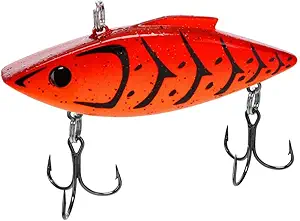
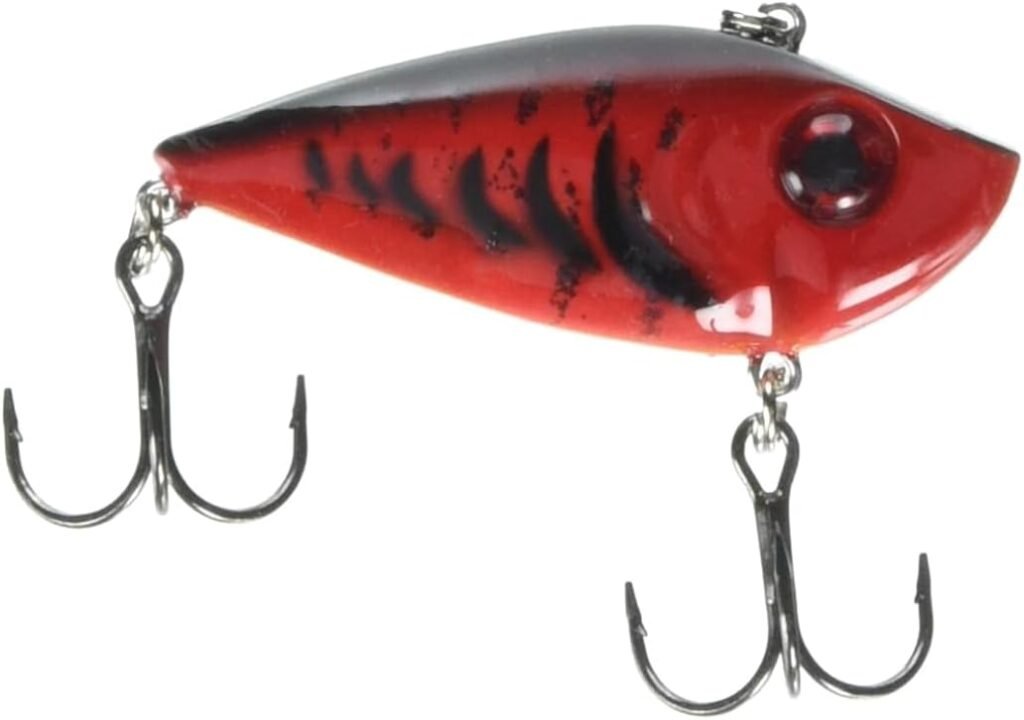
Strike King Red Eye Shad – Great Lipless Option in Cold or Stained Water
The Strike King Red Eye Shad offers a tight wiggle and sharp rattle that shines in cooler water when you need more sound and flash to wake bass up. It runs true at different speeds and handles both steady retrieves and yo-yo style lifts.
Best when:
-
Water depth: 2–10 ft
-
Cover: grass lines, points, flats
-
Conditions: cold fronts, early spring, late fall
Key tips:
-
Let it sink to just above grass tops and reel slowly.
-
Try red craw patterns in pre-spawn, especially in stained water.
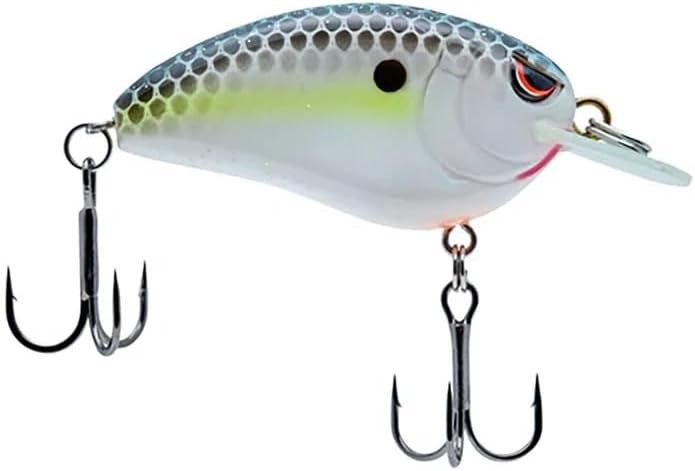
SPRO Micro Little John 45 – Best Finesse / Pressured-Water Crankbait
When bass have seen every big crankbait on the shelf, a small plug can save the day. The SPRO Micro Little John 45 is a compact, shallow-to-mid-depth crankbait that earned “Best for 2025” in at least one recent crankbait buyer guide thanks to its tight action and subtle profile.
Best when:
-
Water depth: 3–6 ft
-
Cover: rock, bluff walls, small transitions
-
Conditions: clear water, post-front bluebird skies, pressured lakes
Key tips:
-
Use lighter line (8–10 lb) to keep action lively.
-
Cast parallel to rocky banks and reel just fast enough to feel it work.
How to Fish Crankbaits for More Bass
You don’t need fancy tricks, but a few simple habits help you turn more bites into fish in the boat.
Match Crankbait Depth to Fish
-
Use electronics or bank clues (bluff banks vs. shallow flats) to guess depth.
-
Pick a crankbait that runs just at or slightly below the level of the fish.
-
If you never feel bottom, swap to a deeper model. If you dig too much, go shallower.
Use Stop–Go and Deflection
Straight reeling works, but adding changes makes a huge difference:
-
Reel steady for a few turns
-
Pause briefly or slow down
-
Then speed up or twitch the rod tip
Also, aim at cover, not open water:
-
Hit stumps, rocks, dock posts, grass tops
-
Let the bait deflect, hesitate, then continue
-
Many bites feel like the bait “just got heavy” right after a bump
Pick the Right Gear
-
Rod: medium or medium-heavy, moderate or moderate-fast action
-
Line: 10–15 lb fluorocarbon for most billed crankbaits, mono if you want more stretch and buoyancy
-
Reel: mid-speed (6.x:1) for most situations, slower (5.x:1) for deep cranking
A softer rod and some stretch keep treble hooks pinned when a bass jumps.
Seasonal Cheatsheet for the Best Crankbaits for Bass
Spring (Pre-Spawn and Spawn Edges)
-
Lipless baits like Rat-L-Trap and Red Eye Shad in red craw
-
Squarebills (KVD 1.5) around warming banks and shallow rock
Summer (Post-Spawn to Ledge Season)
-
Medium divers like DT-6 on secondary points
-
Deep divers like 6XD on offshore structure
Fall (Chasing Bait)
-
Lipless baits burned over flats and points
-
Smaller cranks like the SPRO Micro Little John when fish key on tiny shad
Winter / Cold Fronts
-
Tight-wobbling baits, both billed and lipless
-
Slower retrieves, more pauses, and yo-yo lifts
FAQ
A: If you fish a mix of shallow cover and mid-depth banks, the Strike King KVD 1.5 Squarebill is hard to beat. It covers 3–6 feet, deflects off cover, and works on many lakes.
A: On many lakes, a range from 3 to 12 feet covers a lot of active fish. That means one shallow squarebill, one medium diver like a Rapala DT-6, and one lipless bait will handle most trips.
A: Lipless crankbaits shine over grass, flats, and points when you want to cover water fast or yo-yo the bait. They are especially strong in early spring and fall.
A: Fluorocarbon in the 10–15 lb range is a good starting point for most crankbaits. It sinks and helps your bait reach full depth while still giving some stretch.
A: A softer, moderate-action rod helps keep treble hooks pinned and improves casting with larger plugs. You can still start with a standard medium rod, but a dedicated cranking rod makes life easier once you throw cranks often.
DISCLAIMER:
This blog post is for informational purposes only. We make every effort to provide accurate, current, and well-sourced information, but we cannot guarantee its completeness or absolute accuracy.
All images, videos, and logos used on bestfordaily.com are the property of their respective owners. We aim to credit and reference them appropriately. If you are the rightful owner and wish to have your image, video, or logo removed, please get in touch with us.