- Topic: Low light house plants (2026 USA guide)
- Best for: Apartments, offices, bedrooms, north-facing rooms
- Light needs: Low to medium indirect light
- Care level: Beginner to intermediate
- Updated: 2026
Low-light house plants make it easy to keep greenery indoors, even when your rooms get very little sun. In many USA homes, hallways, bathrooms, and shaded corners stay dim for most of the day, but several indoor plants still grow well there. This 2026 list focuses on reliable choices, simple care, and what each plant is best for.
| Plant | Best For | Light Level | Watering | Approx. Price (USD) |
|---|---|---|---|---|
| Snake Plant (Sansevieria) | Low-care rooms, bedrooms | Low–Medium | Every 2–4 weeks | $15–$45 |
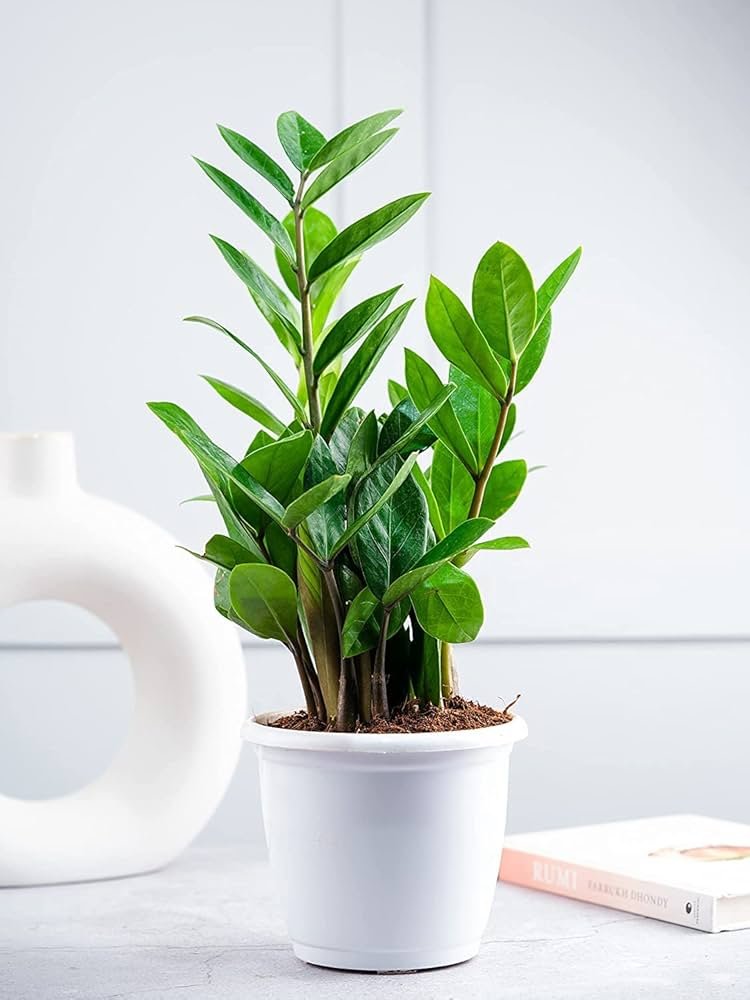
| ZZ Plant (Zamioculcas zamiifolia) | Offices, busy households | Low–Medium | Every 2–3 weeks | $20–$60 |
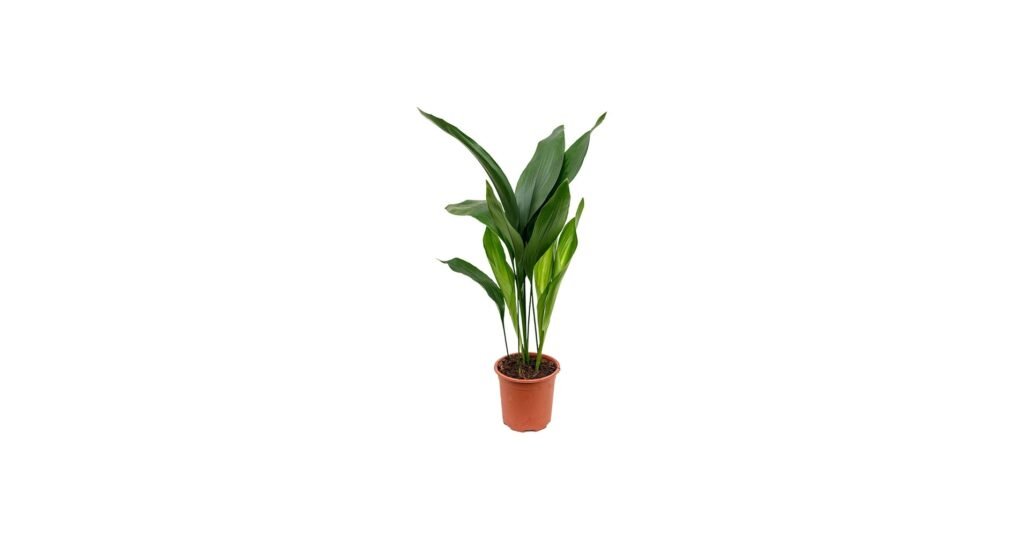
| Cast Iron Plant (Aspidistra elatior) | Dark corners, steady growth | Low | Every 2–3 weeks | $25–$70 |
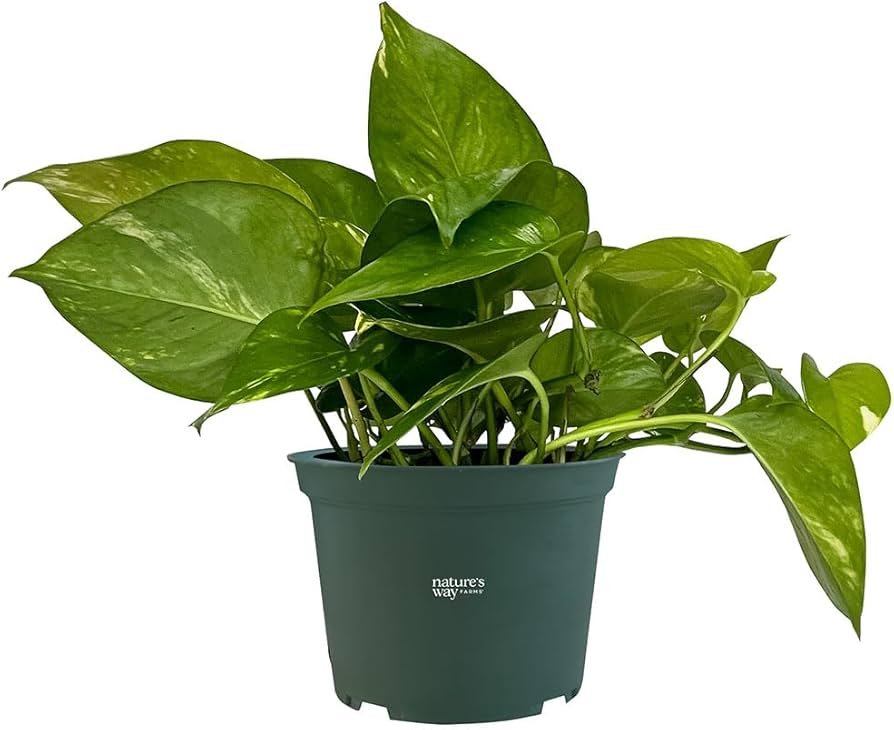
| Pothos (Epipremnum aureum) | Shelves, hanging planters | Low–Medium | Every 1–2 weeks | $10–$35 |
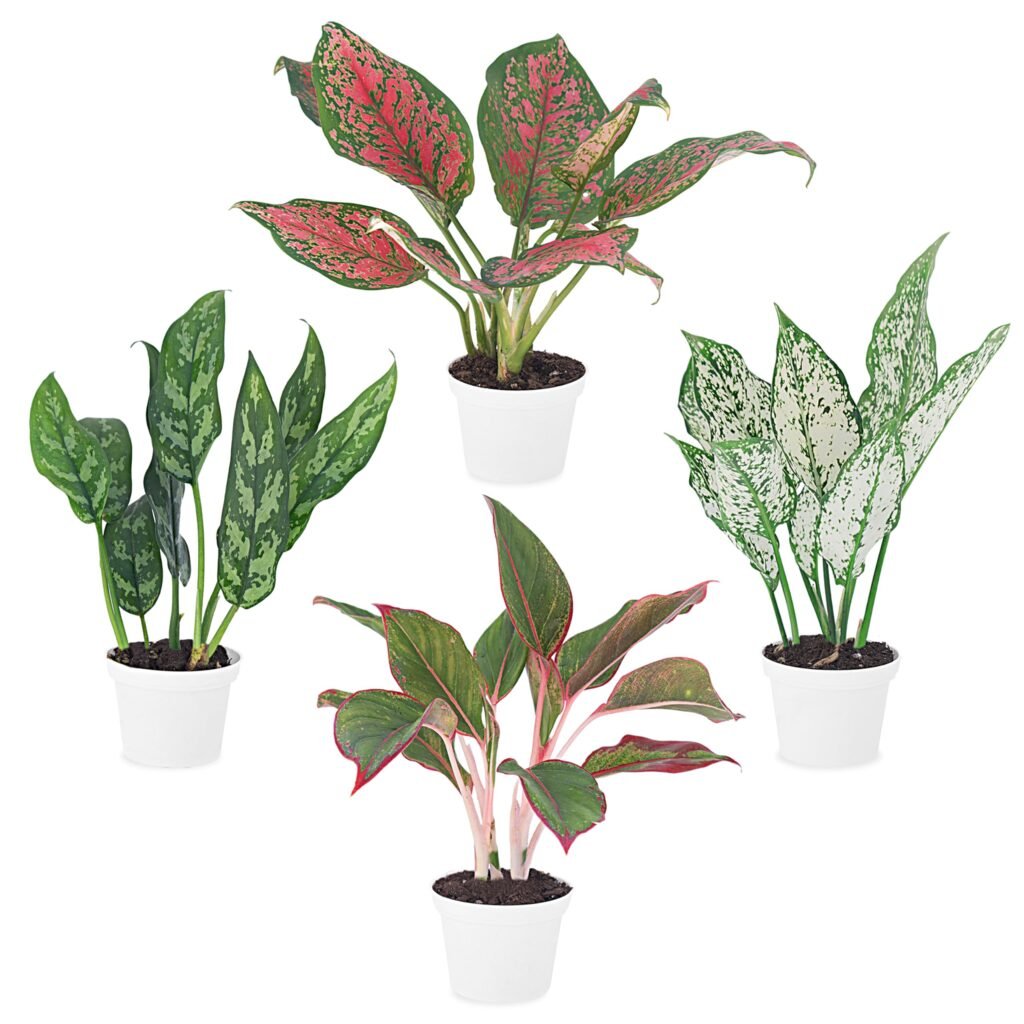
| Chinese Evergreen (Aglaonema) | Colorful leaves in low light | Low–Medium | Every 1–2 weeks | $20–$65 |
| Peace Lily (Spathiphyllum) | Low-light blooms | Low–Medium | Weekly (as needed) | $15–$55 |
| Parlor Palm (Chamaedorea elegans) | Soft, palm look indoors | Low–Medium | Every 1–2 weeks | $20–$60 |
est Low Light House Plants for Most Homes
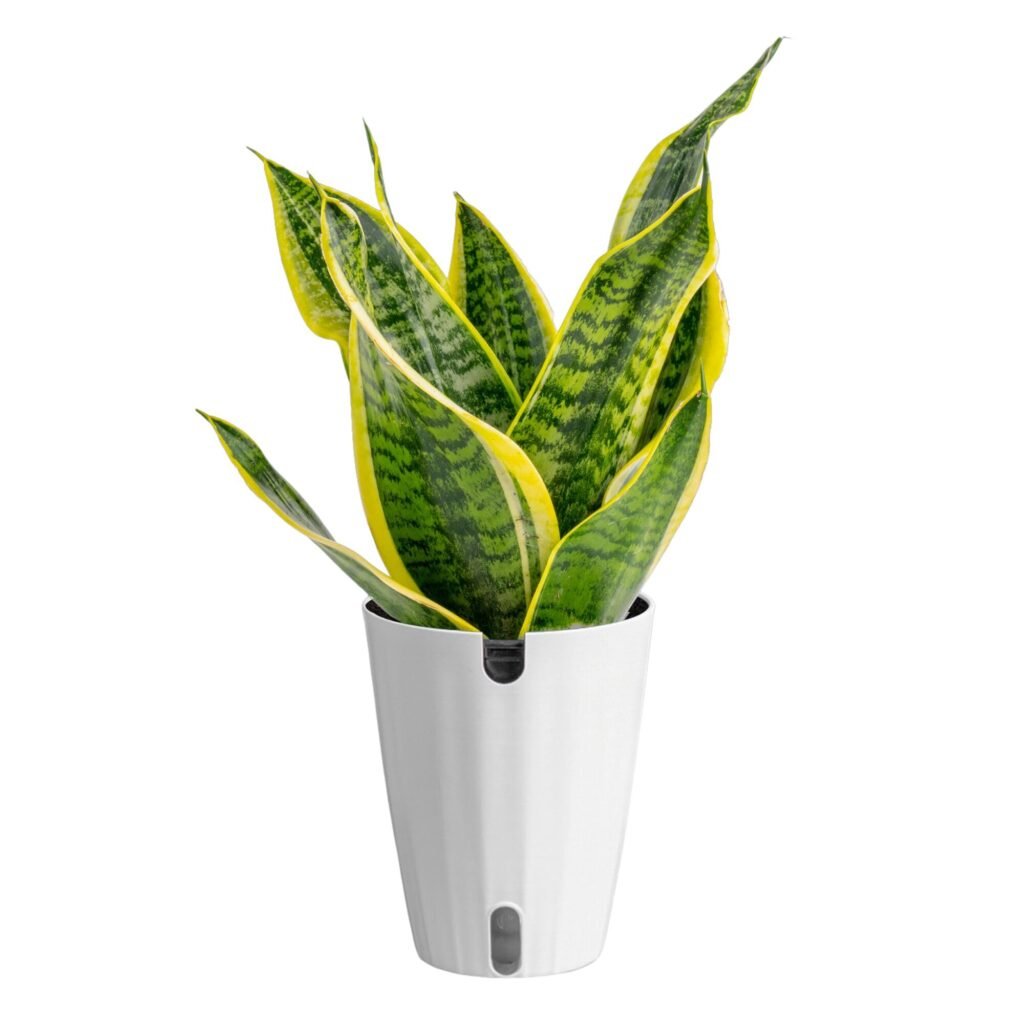
Snake Plant (Sansevieria)
Snake plants handle low light well and do not need much attention. They also cope with missed waterings better than many indoor plants, which is helpful for beginners.
Let the soil dry out before you water again. Too much water is the main issue with snake plants, so a pot with drainage matters.
ZZ Plant (Zamioculcas zamiifolia)
The ZZ plant grows slowly, stays neat, and tolerates dim rooms. It is a practical pick for offices, entryways, and bedrooms where sunlight is limited.
Water only when the topsoil feels dry. If the stems look soft or the soil stays wet, reduce watering and improve drainage.
If your low-light spot is in a humid room, you can also compare options in the best plants for bathrooms.
Cast Iron Plant (Aspidistra elatior)
Cast iron plants are known for staying steady in darker corners. They do not mind lower light, and they hold up well in many indoor conditions.
Keep the soil lightly moist, but never soggy. Wipe dust off the leaves once in a while so the plant can use the light it gets.
Best Low-Light House Plants for Shelves and Hanging Pots
Pothos (Epipremnum aureum)
Pothos is one of the easiest trailing plants for low light. In dim rooms, it may grow more slowly, but it still looks full and green with regular care.
Water when the top inch of soil dries out. Trim long vines to keep it bushy, and use cuttings to start new plants.
If you want more indoor greenery that supports a fresher-feeling room, see the best indoor plants for oxygen.
Best Low-Light House Plants with Colorful Leaves
Chinese Evergreen (Aglaonema)
Aglaonema is a strong pick when you want leaf color without bright sun. Many types show silver, green, or red tones, even in lower light.
Water when the topsoil starts to dry. Keep it away from cold drafts, and rotate the pot every few weeks for even growth.
Best Low Light House Plants That Can Bloom Indoors
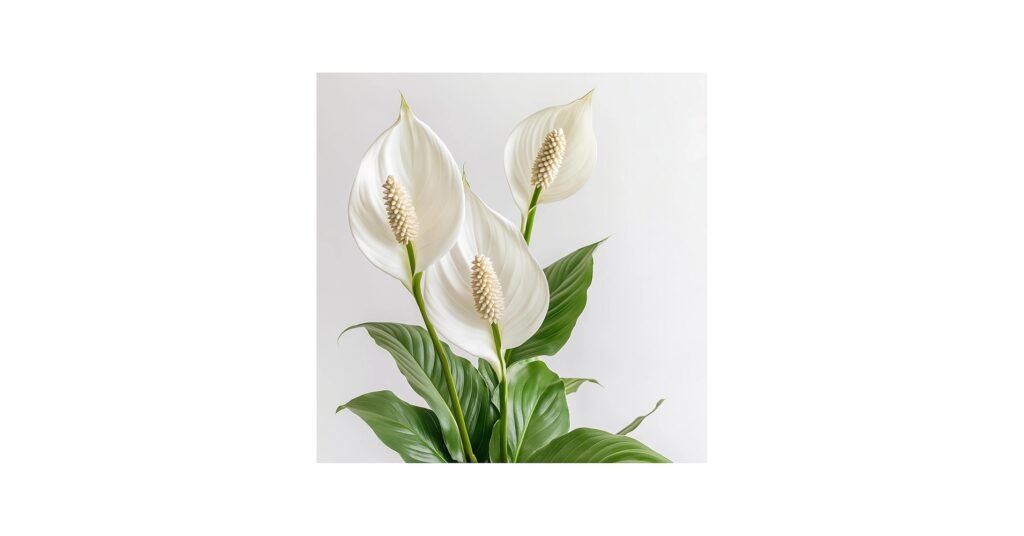
Peace Lily (Spathiphyllum)
Peace lilies grow in low to medium light and can bloom indoors, even without direct sun. If your plant stops blooming, moving it to a brighter indirect spot usually helps.
Water when the plant looks slightly droopy or when the soil feels dry on top. If leaf tips turn brown, it may be from dry air or mineral-heavy tap water.
For covered outdoor spaces with limited sun, you can also check the best plants for a shaded porch for ideas that suit low-light conditions.
Best Low-Light House Plants for a Soft Palm Look
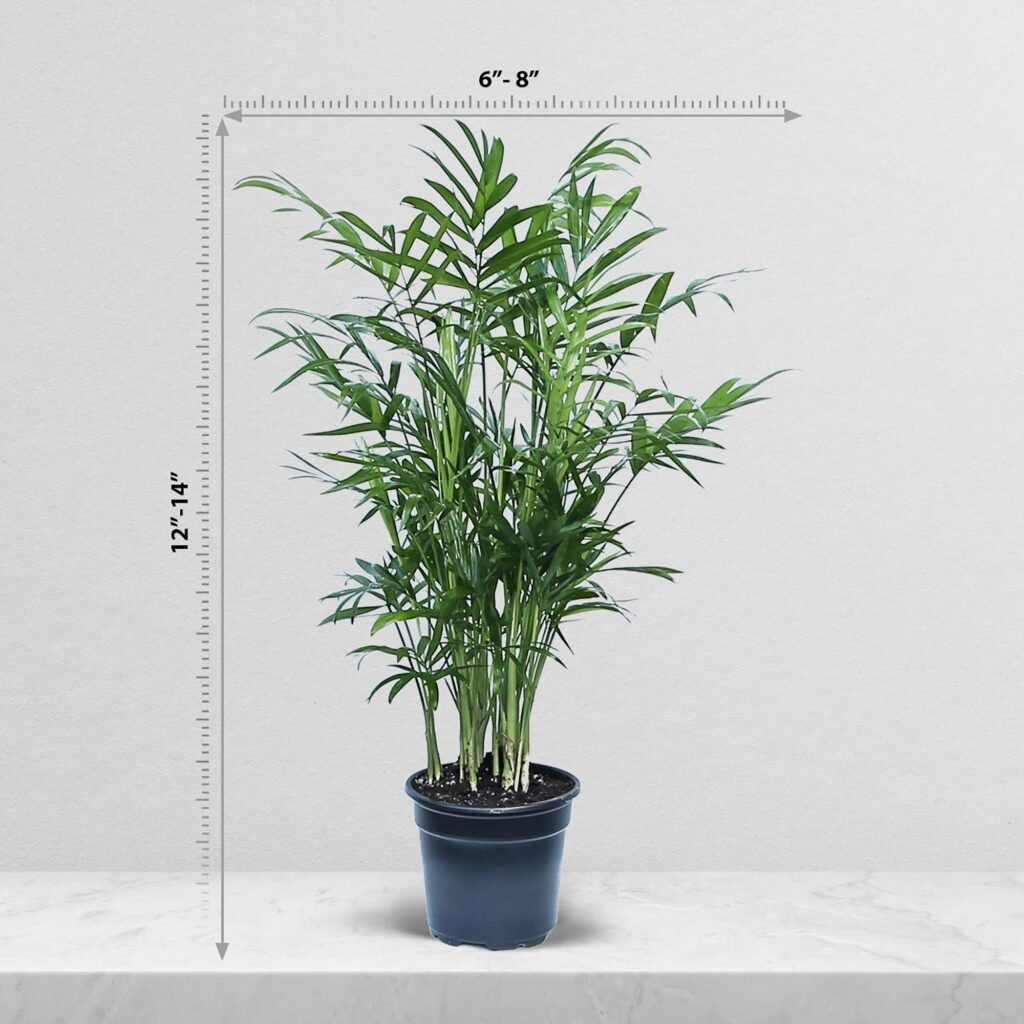
Parlor Palm (Chamaedorea elegans)
Parlor palms keep a classic indoor look and do well in low to medium light. They stay compact, so they fit small rooms and corners.
Water when the top soil dries out slightly. Avoid overwatering, and keep it away from heating vents that dry the leaves.
How to Pick Low-Light House Plants
Check the light first
Low light usually means you can read, but there is no direct sunlight. If the room is very dim, choose a snake plant, a ZZ plant, or cast iron plant.
Match watering to the plant
Most low-light plants prefer drying out a bit between waterings. Overwatering is more common than underwatering in dim rooms.
Use the right pot and soil
Choose pots with drainage holes. Use a light indoor mix, so roots do not sit in wet soil.
FAQs
Snake plant, ZZ plant, and pothos are easy starters. They handle missed waterings better than many plants.
They still need light, but indirect light is enough. A brighter room corner often works better than a dark closet-like space.
Most do well when watered after the topsoil dries out. For many homes, that is every 1–3 weeks, depending on the plant.
Yes. A small LED grow light can help in very dim rooms, especially for peace lilies and pothos.
Some are not. Snake plant, pothos, ZZ plant, peace lily, and aglaonema can be unsafe if pets chew them. Parlor palm is often considered a safer choice.
DISCLAIMER:
This blog post is for informational purposes only. We make every effort to provide accurate, current, and well-sourced information, but we cannot guarantee its completeness or absolute accuracy.
All images, videos, and logos used on this page belong to their respective owners. We aim to credit and reference them appropriately. If you are the rightful owner and wish to have your image, video, or logo removed, please contact us.