- Topic: Best self tanner for beginners (2026 guide)
- Best for: First-time self tanning, streak-free glow, at-home use
- Top formats: Mousse, foam, gradual lotion, drops, tanning water
- Skin types: Dry, normal, oily, sensitive (patch test first)
- Updated: 2026
The best self-tanner for beginners should be simple to apply, forgiving of mistakes, and buildable so you can go light first. The goal is a natural-looking glow that doesn’t show lines, dark patches, or orange tones.
This 2026 guide covers beginner-friendly self-tanners across popular formats. Each pick below includes what it’s best for, what to watch for, and how to get a clean finish at home.
| Self Tanner | Type | Best For | Color Depth | Estimated Price |
|---|---|---|---|---|
| Coco & Eve Sunny Honey Self Tan Mousse | Mousse | First-timers who want a guide color | Medium to deep | $35–$45 |
| St. Tropez Self Tan Classic Mousse | Mousse | Even fade and “safe” first tan | Light to medium | $35–$50 |
| Bondi Sands Self Tanning Foam | Foam | Beginner-friendly value pick | Medium | $18–$30 |
| Loving Tan 2 Hour Express Mousse | Express mousse | Fast results with control | Medium to deep | $40–$55 |
| Tan-Luxe The Water | Tanning water | Low-mess routine and quick drying | Buildable | $40–$55 |
| Isle of Paradise Self-Tanning Drops | Drops | Mix into moisturizer for gradual color | Buildable | $30–$40 |
Best Self Tanner for Beginners Overall
Coco & Eve Sunny Honey Self Tan Mousse
This mousse is a strong first pick because it applies evenly and builds well over 1–2 sessions. The guide color helps you see where you’ve applied product, which cuts down on missed spots.
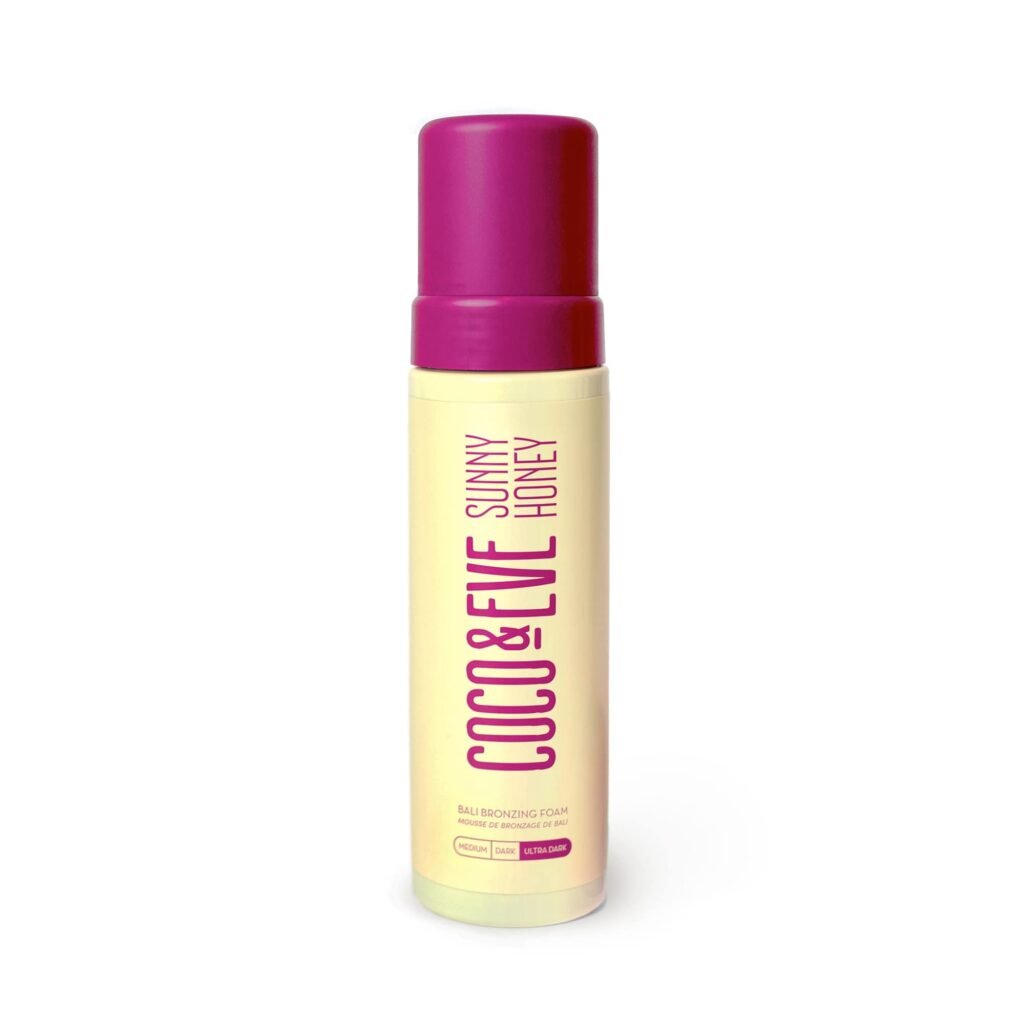
Use light pressure with a mitt and blend in circles. Keep the product lighter on elbows, knees, ankles, and hands to avoid darker patches.
Best “First Tan” Mousse for a Natural Look
St. Tropez Self Tan Classic Mousse
If you want a more “safe” starting point, this mousse is known for a balanced tone and a clean fade. That matters for beginners, because a nice fade means fewer patchy areas later.
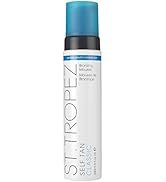
Apply in thin layers and wait before getting dressed. If you struggle to reach your back, a tool can help—see the best lotion applicator for back for options that make blending simpler.
Best Budget Pick for Beginners
Bondi Sands Self Tanning Foam
This foam is a solid value pick for first-time users who want good color without a high price. It spreads easily and can be layered for a deeper result.
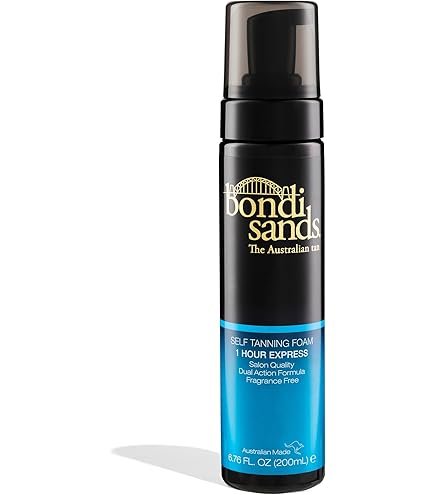
Start with one coat, then decide whether to apply a second coat the next day. Keep your prep consistent (exfoliate, then moisturize dry spots) for better results.
Best Express Self Tanner for Beginners on a Schedule
Loving Tan 2 Hour Express Mousse
Express formulas can still work for beginners if you keep the steps simple. The main trick is timing: rinse sooner for lighter color, or wait longer for deeper color.
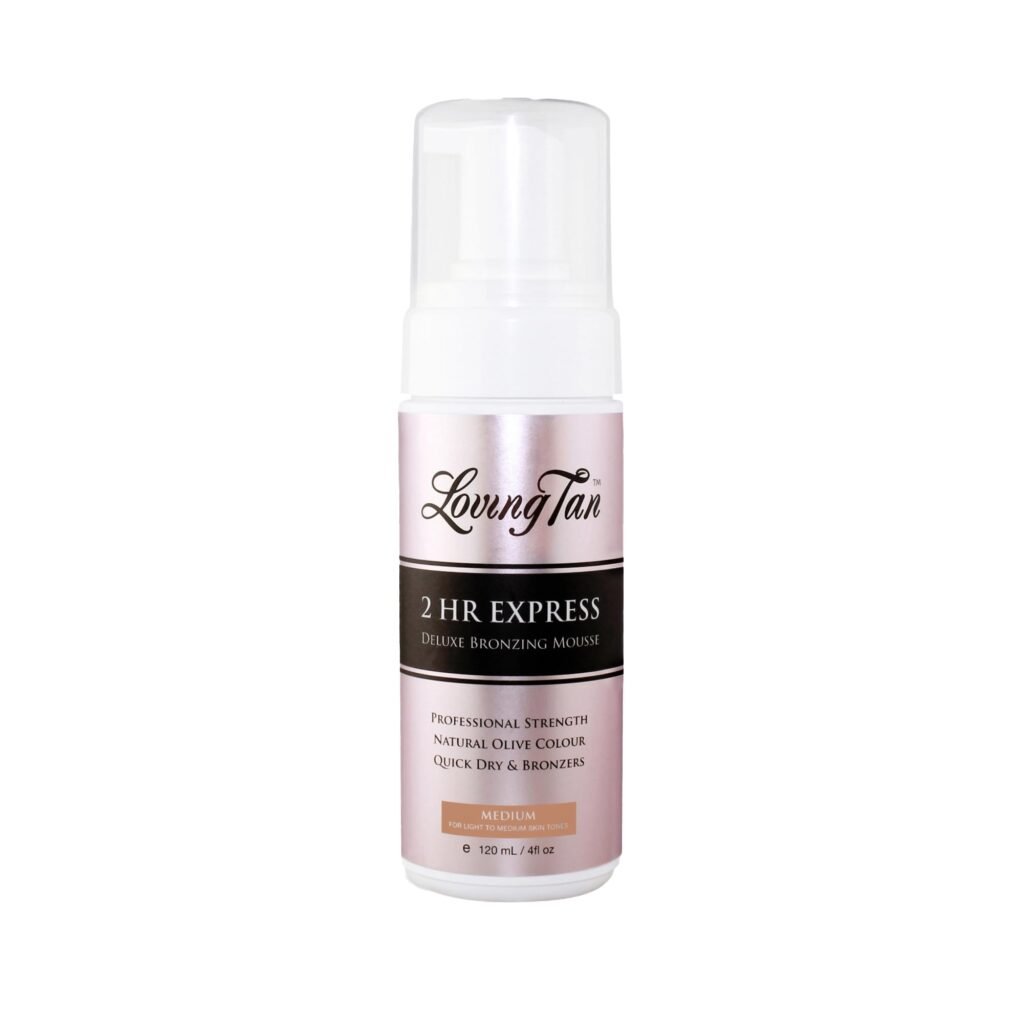
Use a timer and stick to one coat at first. If you get dryness or irritation after tanning, calm the skin and skip reapplying until it settles—the best cream for sunburn can help when your skin feels stressed (even if it’s not sunburn).
Best Low-Mess Option for Beginners
Tan-Luxe The Water
Tanning water is great if you hate the feel of sticky formulas. It dries fast and fits into a quick routine after showering.
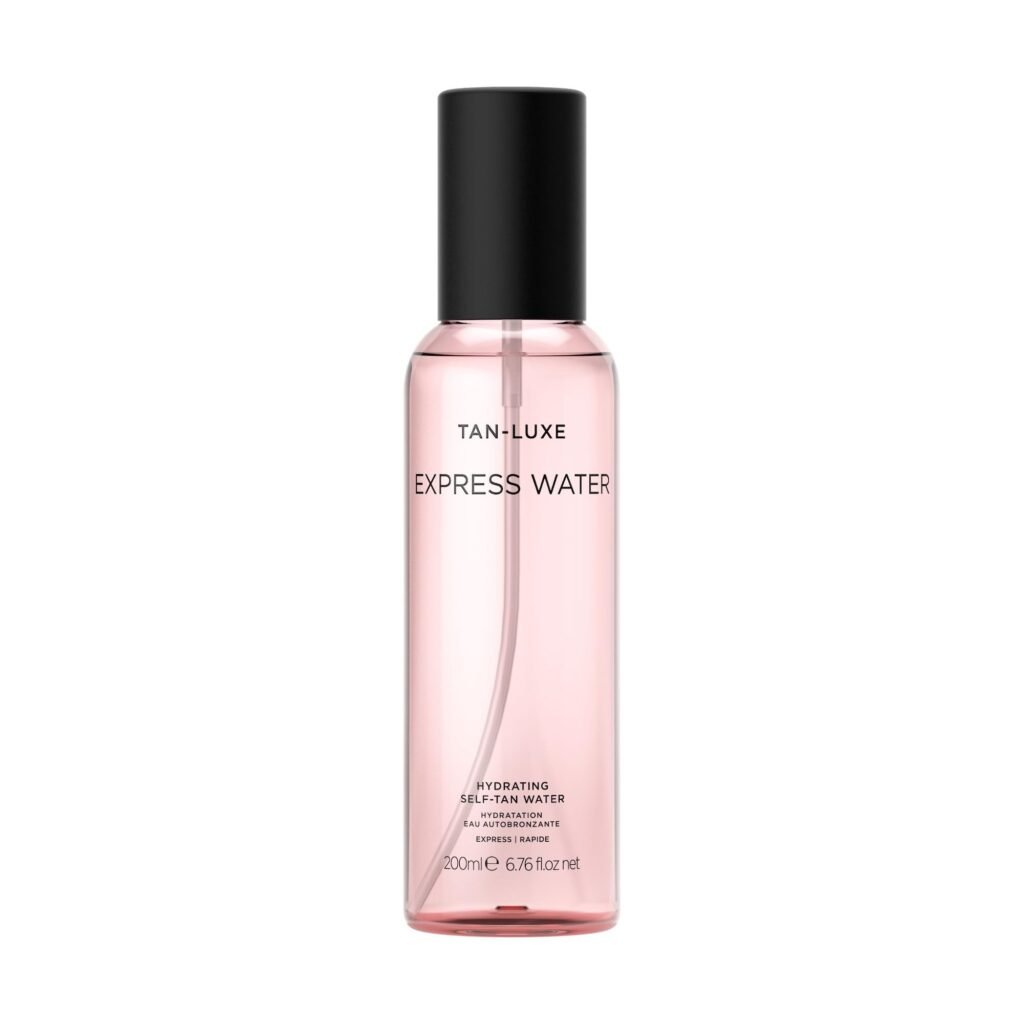
Because it’s clear, apply slowly and evenly, then wash your hands well. For your first time, use it on legs and arms before trying hands and feet.
Best Gradual Option for Beginners
Isle of Paradise Self-Tanning Drops
Drops are beginner-friendly because you control the strength by how many drops you mix into your moisturizer. This helps if you fear going too dark too fast.
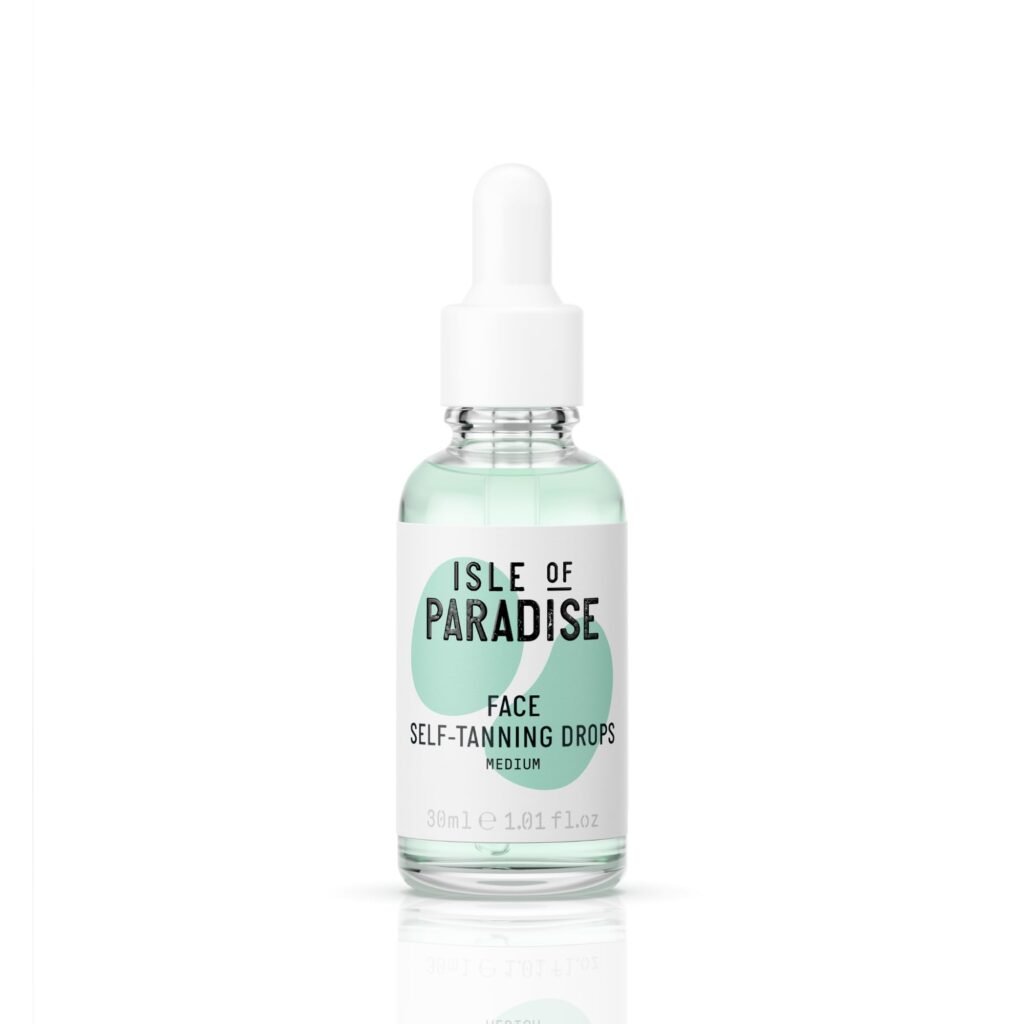
Apply like your normal lotion, then wash your hands well. If you’re acne-prone, keep product away from active breakouts and stick to non-greasy skincare—the best cleanser for acne-prone oily skin can support a smoother base.
How to Choose the Best Self Tanner for Beginners
Pick the right format
- Mousse/foam: Most forgiving for first-timers, usually with a guide color
- Drops: Slow build and easy control
- Tanning water: Fast dry, less mess, but you must apply evenly
Choose a shade that matches your goal
If you’re new, start with light to medium. You can always add another layer the next day.
Watch common beginner problem areas
Hands, elbows, knees, ankles, and feet can turn darker. Use less product there and blend longer.
How to Apply Self Tanner for Beginners
Step 1: Prep your skin
Exfoliate the night before or a few hours before tanning. Then, moisturize dry areas lightly.
Step 2: Apply in thin layers
Use a mitt. Work from legs upward. Blend in circles and keep pressure light.
Step 3: Let it set, then rinse or wait
Follow the label timing. Avoid sweating and tight clothes while it develops.
How to Make Your Tan Last Longer
- Take shorter, warm showers
- Pat skin dry instead of rubbing
- Moisturize daily
- Avoid heavy scrubbing for a few days
- Touch up lightly instead of full reapplication
How to Remove Self Tanner
- Soak in warm water, then exfoliate gently
- Use a tan remover if you have one
- Focus on hands, ankles, knees, and elbows
- Moisturize after removal to reset your skin
FAQs
A: A mousse with a guide color is a strong start. Coco & Eve and St. Tropez are common first picks.
A: Mousse is usually the most forgiving. Drops are great for slow build—tanning water suits low-mess routines.
A: Use less product on hands, blend longer, then wash palms and between fingers right after applying.
A: Follow the label. For express products, rinse sooner for a lighter color until you learn your shade.
A: Many beginners do a light touch-up every 3–7 days, based on how fast their tan fades.
DISCLAIMER:
This blog post is for informational purposes only. We make every effort to provide accurate, current, and well-sourced information, but we cannot guarantee its completeness or absolute accuracy.
All images, videos, and logos used on bestfordaily.com are the property of their respective owners. We aim to credit and reference them appropriately. If you are the rightful owner and wish to have your image, video, or logo removed, please contact us.