- Topic: Best way to pack shoes for moving in USA (2026 guide)
- Best for: Keeping pairs together, saving box space, avoiding scuffs
- Works with: Sneakers, heels, boots, kids’ shoes
- Supplies: Clean packing paper, labels, small bags, bins or boxes
- Updated: 2026
The best way to pack shoes for moving is simple: keep pairs together, protect the uppers, and stop soles from rubbing on clean items. In the USA, many moves involve storage, long drives, and tight truck space. So your shoes need a plan that is quick and clean.
If you are packing a lot of small items too, you may also like the best lunch bags for professionals for keeping daily-use items easy to grab.
| Method | Best For | Supplies | Time | Approx. Cost (USD) |
|---|---|---|---|---|
| Declutter first | Saving space fast | Trash bag, donate bag | 30–60 min | $0–$5 |
| Stuff shoes with socks | Keeping shape | Socks, soft tees | 10–20 min | $0 |
| Wrap nicer pairs | Dress shoes, heels | Clean packing paper | 20–40 min | $5–$12 |
| Tie sneakers by laces | Keeping pairs together | Shoelaces | 5–10 min | $0 |
| Essential shoe box | Moving day + first week | Small box, label | 5–10 min | $2–$6 |
| Seasonal shoe box | Off-season storage | Bin/box, label | 10–20 min | $8–$20 |
Step 1: Get Rid of Shoes You Don’t Wear
Start by sorting every pair into three groups: keep, toss, and give away. This is the fastest way to cut the number of boxes you need.
Bag up pairs you will not use again and move them out of the packing area. That keeps your “keep” pile clean and easy to count.
Step 2: Stuff Each Shoe With Socks or Soft Cloth
Stuffing helps shoes hold their shape during a move. It also fills empty space inside boots and high-tops.
Roll socks into tight bundles, then place them into the toe area first. Add more in the heel area if the shoe bends easily.
Step 3: Wrap Nicer Shoes With Clean Packing Paper
Use clean, white packing paper for dress shoes, heels, and pairs that scuff easily. Avoid ink paper that can rub off on leather and fabric.
Wrap each shoe by itself, then place the pair together in a small box. Add paper between the shoes so buckles and soles do not scratch the uppers.
Step 4: Tie Sneakers Together by the Laces
This method keeps pairs together when you are moving fast. It also makes unpacking easier because you can grab a pair in one step.
Cross the laces near the tongue, then tie a double knot. Keep the laces snug so the shoes do not swing around and hit each other.
Step 5: Pack an “Essential Shoes” Box
Set aside 2–4 pairs you will wear right away. Think moving-day sneakers, work shoes, and one casual pair.
Place this box near your personal bag so you can reach it quickly. In the USA, this box saves time if the truck arrives late or you are waiting on furniture.
If you keep snacks and daily items in one place during the move, best lunch bags for men can also be useful for the first day.
Step 6: Pack Out-of-Season Shoes Separately
Create one labeled box for winter boots or summer sandals, based on the season you are moving in. This keeps your closet setup simple on day one.
Store that box in a spot you will not open right away. You will thank yourself later when you are not digging through every box.
Step 7: Pack Heavy Shoes on the Bottom
Boots and bulky sneakers belong at the bottom of any shoe box or bin. This keeps lighter shoes from getting crushed.
Face soles down and keep the uppers protected with paper. Fill gaps with soft items so shoes do not slide during the drive.
Packing Supplies That Make Moving Shoes Easier
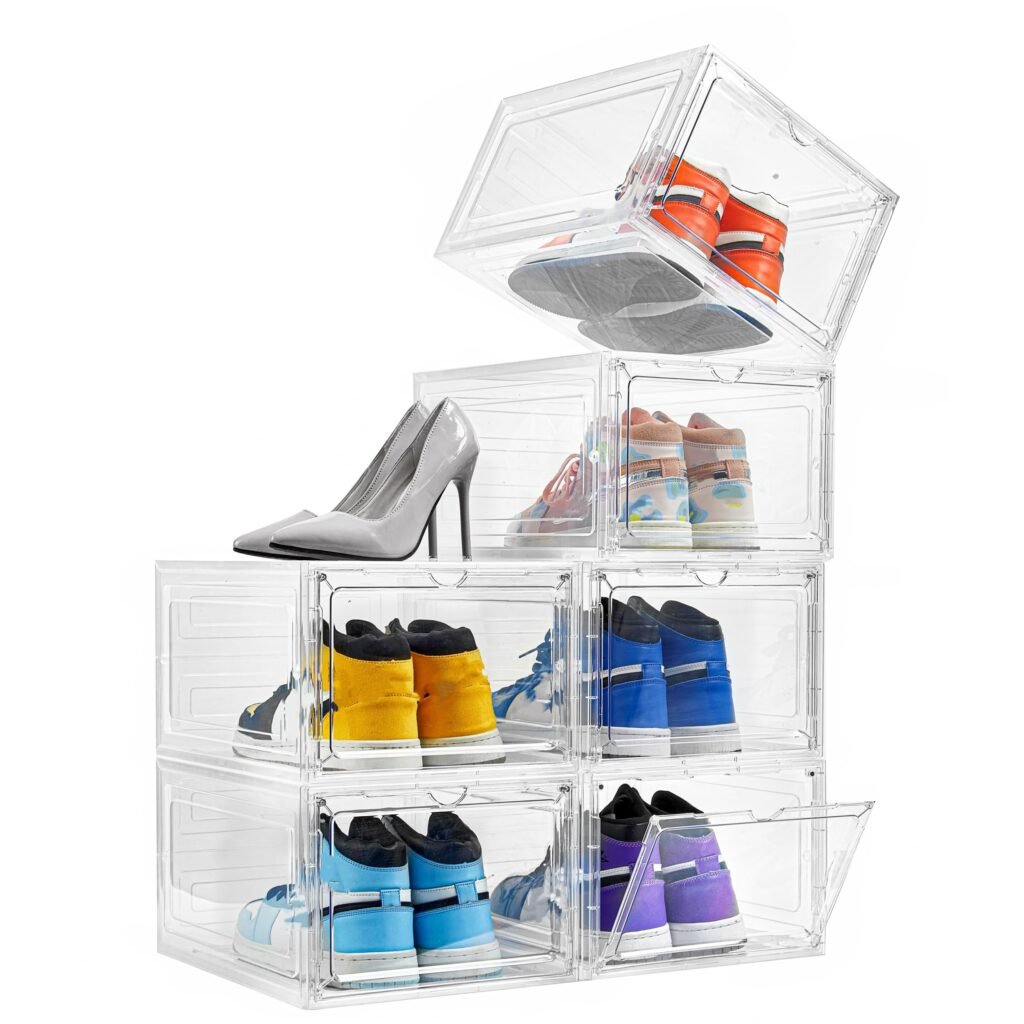
Clear Plastic Shoe Bin (Stackable)
A clear bin keeps pairs visible, which helps during unpacking. It also blocks dust and light moisture better than a weak cardboard box.
Pick bins that stack without bending. If your move involves storage, bins can protect shoes longer.
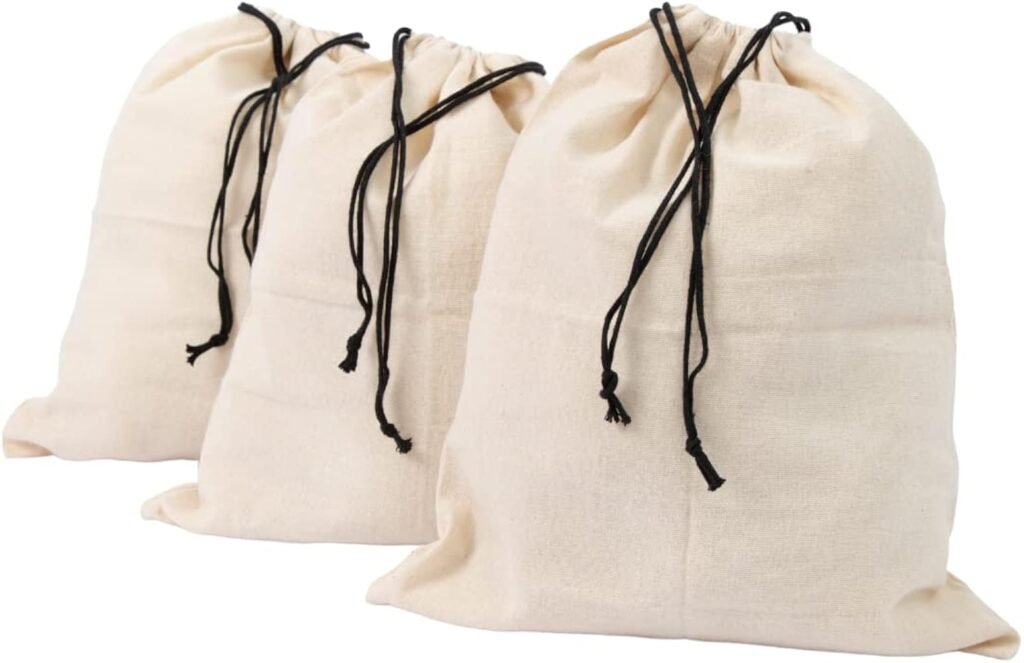
Shoe Dust Bags (Cloth)
Dust bags stop rubbing between shoes, which cuts scuffs. They also keep soles away from clean clothing in mixed boxes.
If you do not have dust bags, clean pillowcases can work. Tie the open end so pairs stay together.
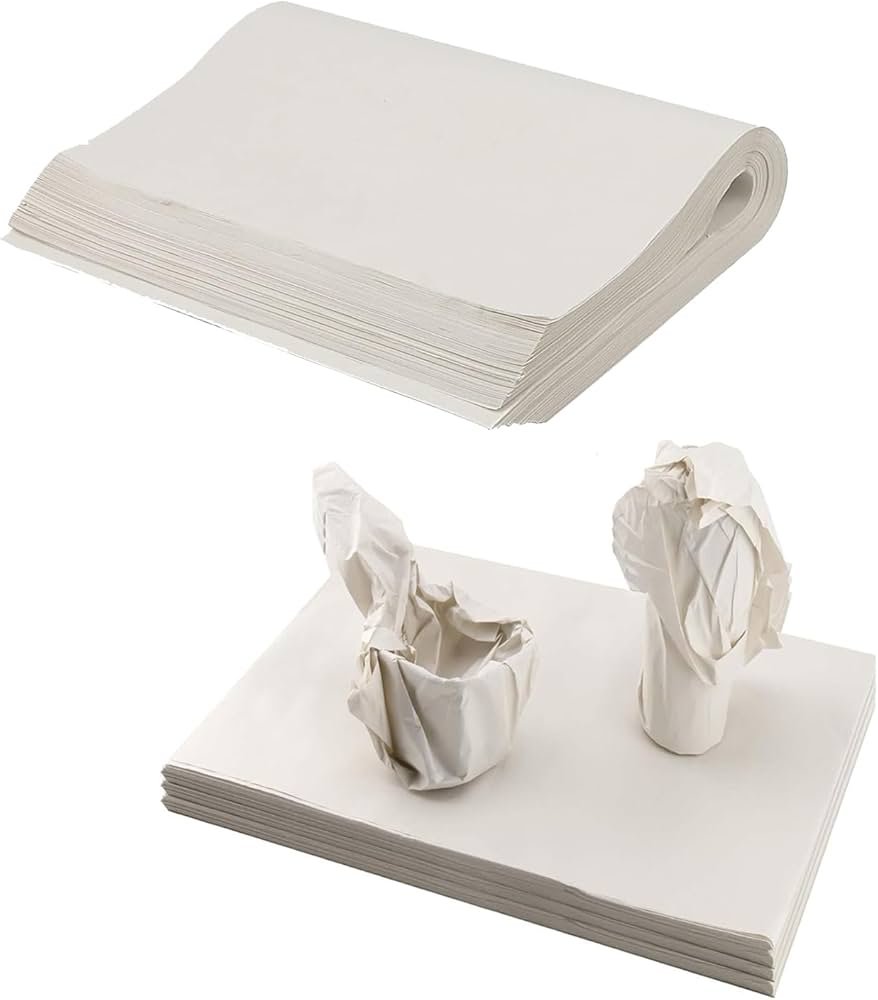
Clean Packing Paper
Packing paper cushions shoes and keeps leather from scratching. It also fills empty space in boxes so shoes do not shift.
Use paper between each shoe in the same pair. This is a simple way to keep finish marks off the uppers.
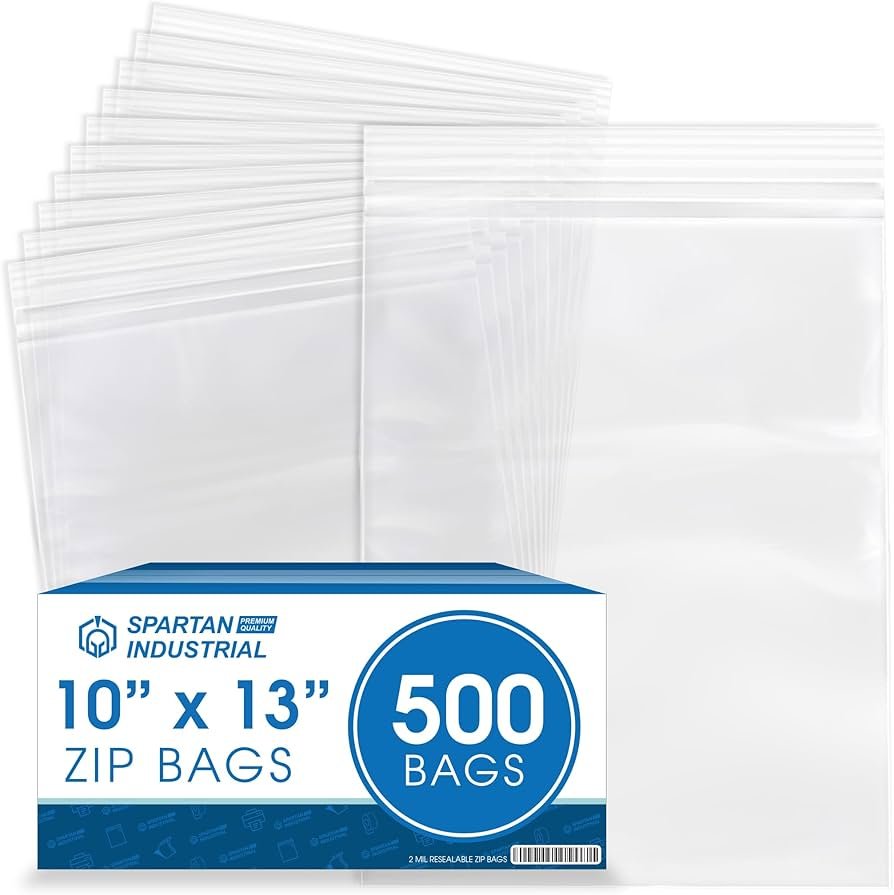
Zip Bags for Small Parts
Zip bags are great for shoe clips, extra laces, heel tips, and insoles. Small parts get lost fast during a move.
Label each bag and place it in the same box as the matching shoes. That saves time when you unpack.
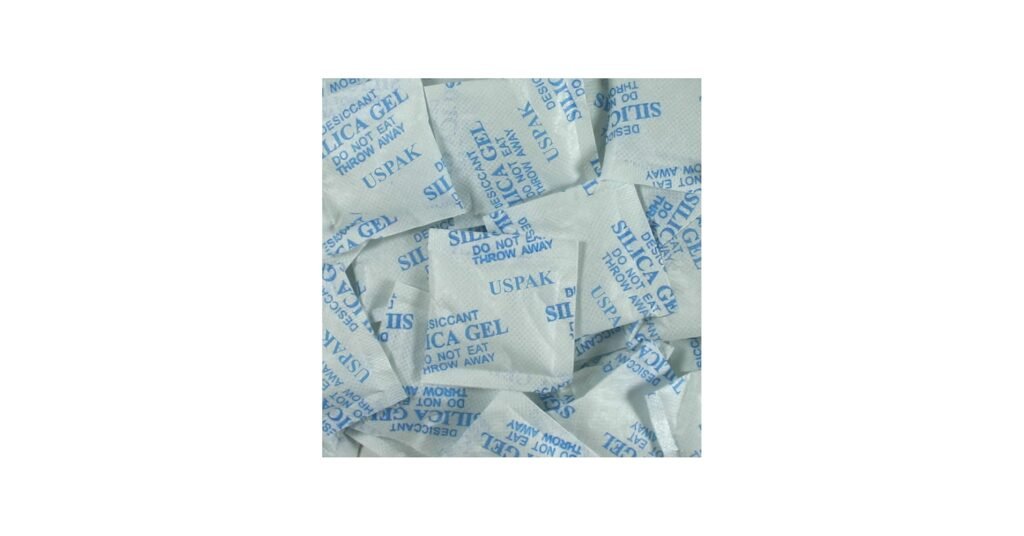
Silica Gel Packs (Optional)
Silica packs help with moisture during long moves. This can matter if shoes sit in a hot truck or storage unit.
Drop one pack into each box, not inside the shoe if it may rub. Keep packs away from kids and pets.
If you are packing other temperature-sensitive items too, best coolers for the money can help during long moving days.
FAQs
Wrap nicer shoes in clean packing paper and place paper between the pair so soles and buckles do not rub.
It is better to keep shoes in their own box. If you must mix, put shoes in bags so soles do not touch clean items.
It depends on shoe size and box strength. Do not overfill. Shoes should not bend or press hard against the lid.
No. Use boxes for nicer pairs and bins for bulk pairs. For everyday shoes, wrapping and pairing methods work well.
DISCLAIMER:
This blog post is for informational purposes only. We make every effort to provide accurate, current, and well-sourced information, but we cannot guarantee its completeness or absolute accuracy.
All images, videos, and logos used on this page belong to their respective owners. We aim to credit and reference them appropriately. If you are the rightful owner and wish to have your image, video, or logo removed, please contact us.