- Topic: Best tube amp for home use in the USA (2026 guide)
- Best for: Bedroom practice, home studios, small rooms
- Amp types: Tube combos and low-watt heads
- Good wattage range: 1–20 watts for most homes
- Updated: 2026
The best tube amp for home use gives you a real tube feel at volumes that make sense in a house or apartment. In the USA, many players want an amp that can stay quiet when needed, but still sound full when you turn it up.
This 2026 guide lists home-friendly tube amps that are easy to live with, easy to set up, and reliable for practice, recording, and small jam sessions.
| Tube Amp | Power | Speaker | Best For | Approx. Price (USD) |
|---|---|---|---|---|
| Fender Blues Junior IV | 15W | 1×12 | Classic clean-to-crunch at home | $790 |
| Vox AC10C1 | 10W | 1×10 | Chimey cleans, bright drive | $550–$650 |
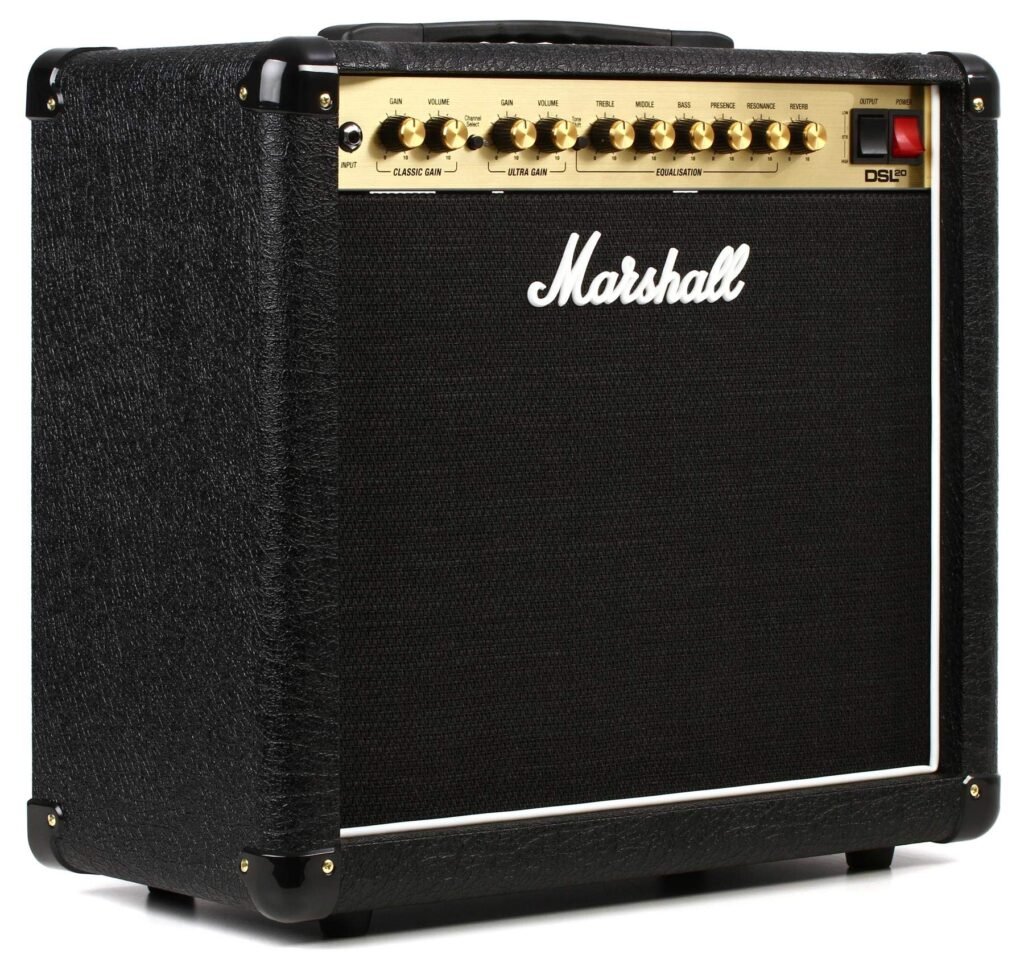
| Marshall DSL20CR | 20W (low-power mode) | 1×12 | Rock tones, two channels | $450–$700 |
| Blackstar HT-5R MkII | 5W (down to 0.5W) | 1×12 | Low-volume tube feel | $450–$550 |
Best Tube Amp for Home Use in the USA
Fender Blues Junior IV
If you want an amp that feels “right” under your fingers at home, the Blues Junior IV is a strong pick. It’s a 15-watt tube combo that can handle clean sounds and gritty breakup without extra gear.
It also works well for a simple home setup where you play guitar and vinyl in the same room. If that’s your style, see the best speakers for vinyl for speaker ideas that fit a home listening corner.

Best Tube Amp for Small Rooms
Vox AC10C1
The AC10C1 is a great fit when you want classic Vox character without a huge amp. It’s an all-tube 10-watt combo made for practice, recording, and small spaces, and it’s sold through Vox’s USA store as well.
This amp is a solid match for bright, clean tones and crunchy rhythm sounds. It’s also easier to place in a bedroom or spare room than heavier 1×12 combos.

Best Tube Amp for Home Rock Tones
Marshall DSL20CR
If you want classic Marshall gain at home, the DSL20CR gives you two channels and a feature set that works for practice and recording setups.
It’s a good choice if you switch between clean rhythm and higher-gain lead parts. For a home audio chain that includes turntables, you can also check the best receiver for turntables to round out your listening setup.
Best Low-Volume Tube Amp for Home Use
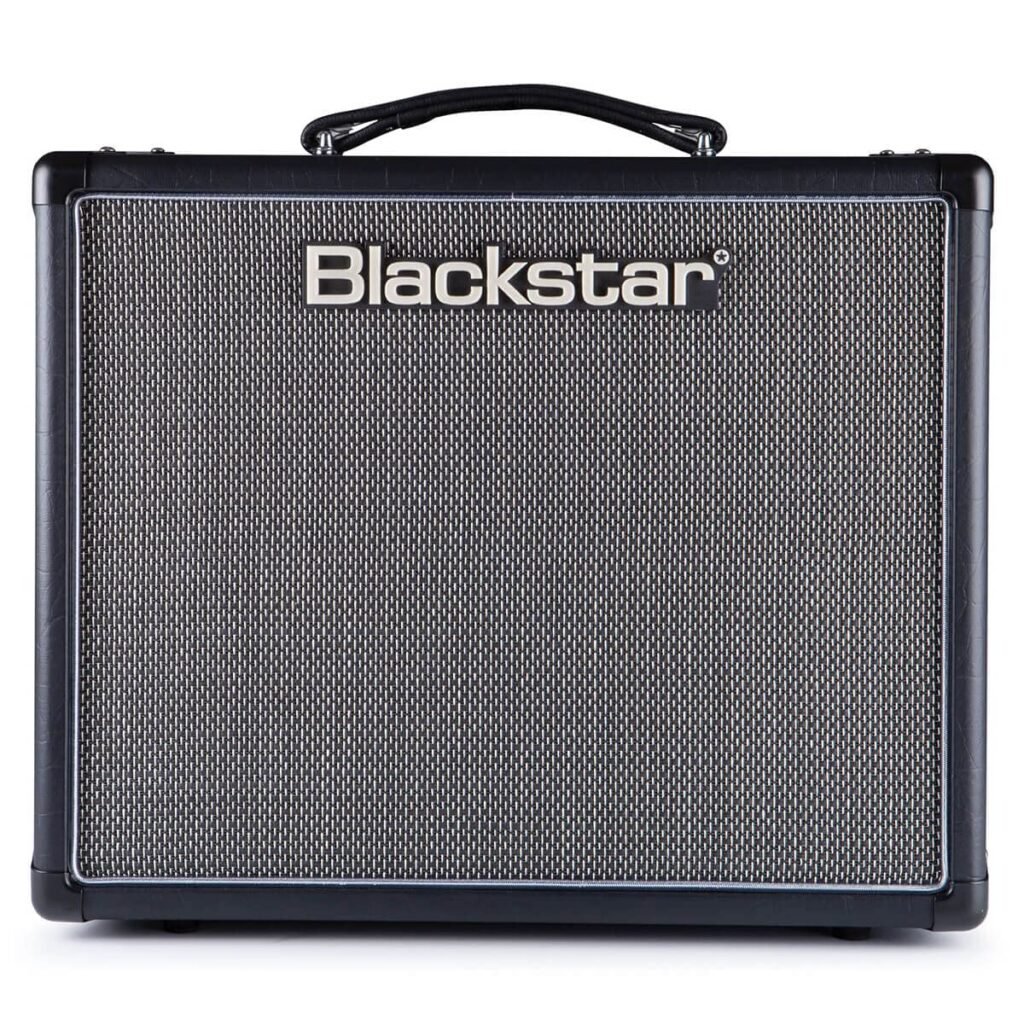
Blackstar HT-5R MkII
When volume control matters most, the HT-5R MkII is built for low-volume playing while keeping a full tube feel. Blackstar highlights its design goal as full tone at low volume, and it includes studio-style reverb.
This is a smart pick for late-night practice, apartments, or shared living spaces. It also pairs nicely with home recording when you want a mic in front of the speaker. If you record vocals too, see the best microphone for vocals for options that suit a home room.
How to Choose the Best Tube Amp for Home Use
Room size and volume limits matter first. For many homes, 5–15 watts is plenty, and power scaling helps a lot if you play late.
Also, think about what you play most. If you want clean tones, look for amps that stay clear longer. If you want drive tones, choose an amp with a gain channel or a master volume that works at home levels.
FAQ
A: Tube amps give off a warm and rich sound. They have a unique natural tone. You can play with a lot of power without the sound getting muddy. They also create a special distortion and interesting harmonics.
A: Good choices are the Kemper Profiler PowerHead 600W and Fender’s Hot Rod DeVille. Also, the Fender Tone Master Deluxe, Roland JC-120 Jazz Chorus, and Positive Grid Spark 40-Watt Combo. These are great for practicing at home.
A: Brands like Fender, Marshall, Vox, Ampeg, and Roland stand out. They make quality tube amps for home use that music lovers appreciate.
A: Think about your budget and the amount of power you need. Consider the features that matter most to you. Also, look at what others say in their reviews. This includes checking with the experts.
A: Yes, reviews from users and experts help a lot. They can give you an idea about how a tube amp performs and sounds.
A: Yes, you can add pedals to tube amps for various tones. This makes them versatile in creating a range of musical styles.
A: To keep your tube amp in top shape, replace the tubes when needed. Keep it dust-free and protect it from dirt. Store and carry it carefully to avoid damage.
A: Travel-friendly amps do exist. They are light and small. Some even have wheels and handles to make them easier to move.
A: Tube amps can be fine-tuned to match your guitar and musical style. This way, you get a sound that’s just right for you.
DISCLAIMER:
This blog post is for informational purposes only. We make every effort to provide accurate, current, and well-sourced information, but we cannot guarantee its completeness or absolute accuracy.
All images, videos, and logos used on this page belong to their respective owners. We aim to credit and reference them appropriately. If you are the rightful owner and wish to have your image, video, or logo removed, please contact us.