- Topic: Best thermometer for baby (2026 guide)
- Best for: Newborns, infants, toddlers, quick fever checks
- Thermometer types: Rectal, ear, forehead, oral, underarm
- Fast reading: Helpful for wiggly babies
- Updated: 2026
Choosing the best thermometer for baby starts with one goal: a clear reading you can trust, without a struggle. Babies move a lot, and sick days already feel stressful.
In this 2026 guide, you’ll find baby thermometers that parents buy for home use because they are simple, fast, and practical for different ages.
| Thermometer | Type | Best For | Age Fit | Estimated Price |
|---|---|---|---|---|
| FridaBaby Quick-Read Rectal Thermometer | Rectal (digital) | Most consistent infant readings | Newborn–12 months | $9–$14 |
| Braun ThermoScan Ear Thermometer (Age Precision models) | Ear (infrared) | Fast checks with minimal fuss | 6+ months (varies) | $35–$60 |
| Exergen Temporal Artery Thermometer | Forehead (temporal) | Quick scans, easy at night | Newborn+ | $45–$70 |
| Vicks SpeedRead Digital Thermometer | Oral/underarm/rectal | Budget backup thermometer | All ages (method varies) | $8–$15 |
| iProven Forehead & Ear Thermometer | Forehead + ear | One device for two methods | 3+ months (varies) | $25–$45 |
Best Thermometer for Baby Newborn Checks
FridaBaby Quick-Read Rectal Thermometer
For many parents, a rectal thermometer is the most steady option in the first months. The FridaBaby Quick-Read is small, simple, and made for quick checks.
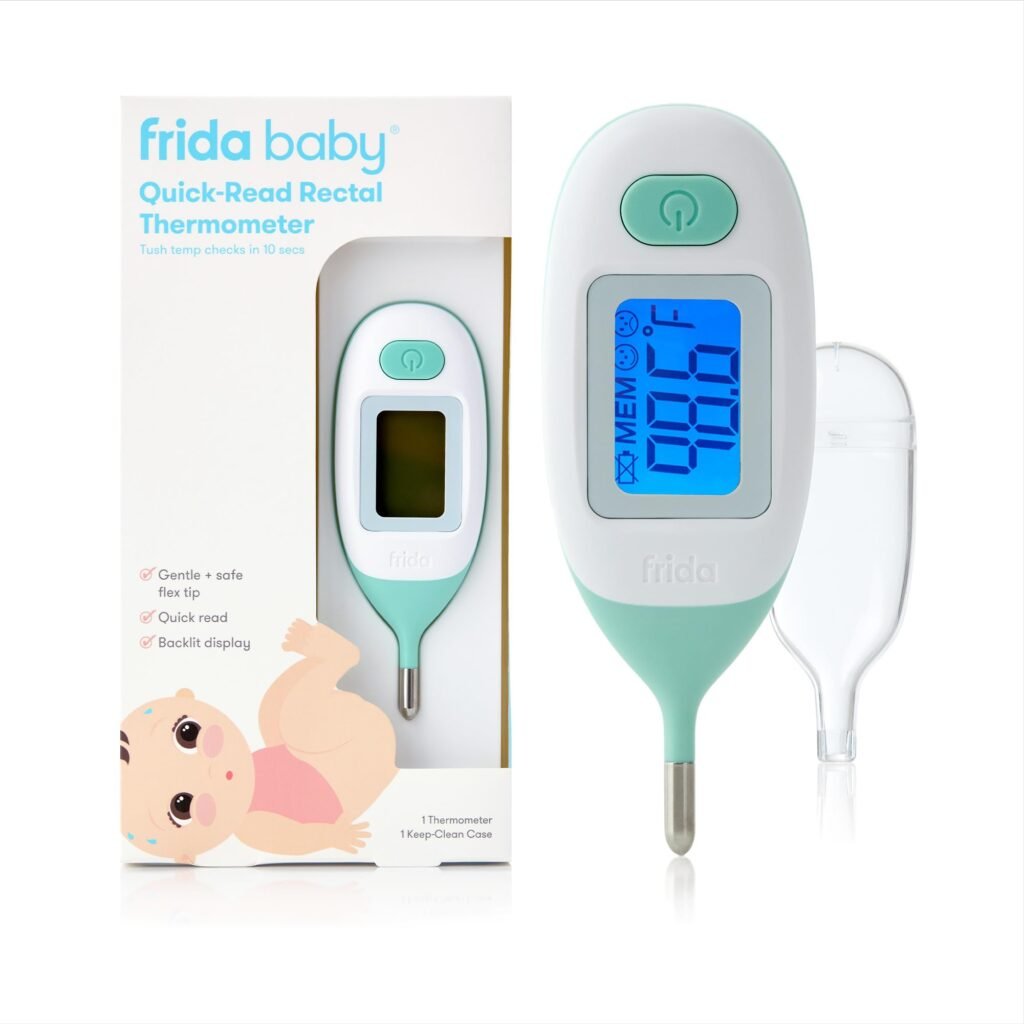
It’s also easy to keep as your “reference” thermometer. When you get a high reading from a forehead or ear device, this one can help confirm it.
Best Thermometer for Baby When You Need Fast Reads
Braun ThermoScan Ear Thermometer
An ear thermometer is a good fit once your baby is old enough for it and stays calm for a few seconds. Braun ThermoScan models are popular because readings are fast and the screen is easy to see.
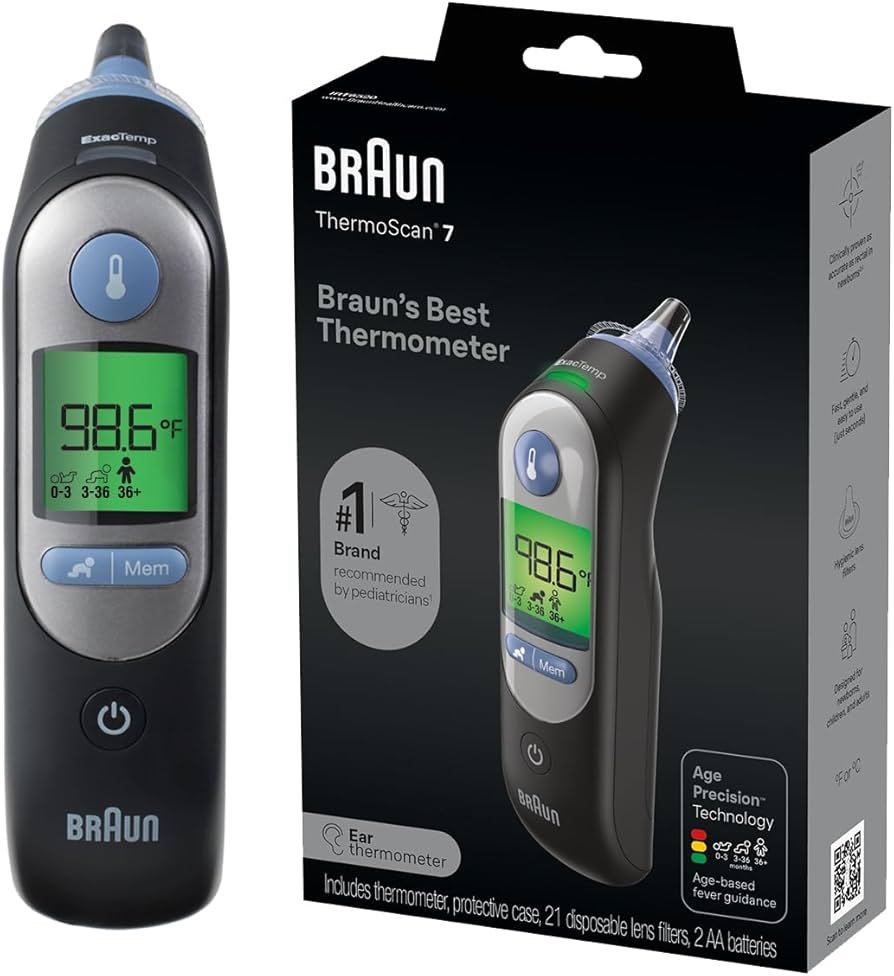
This style works well for toddlers, too, so it can stay useful for years. If you’re building a small home health kit, pairing a thermometer with a pulse oximeter for home use can be helpful during the cold season.
Best Forehead Thermometer for Baby Night Checks
Exergen Temporal Artery Thermometer
Forehead scanning is handy when your baby is sleeping or already upset. The Exergen Temporal Artery style is known for quick scans and simple use.

To get better reads, keep the forehead dry and follow the same scanning path each time. A forehead thermometer is also easier for caregivers who dislike rectal checks.
Best Budget Thermometer for Baby as a Backup
Vicks SpeedRead Digital Thermometer
Every home needs a basic digital thermometer as a backup. The Vicks SpeedRead is affordable, easy to clean, and simple to store in a diaper bag or drawer.
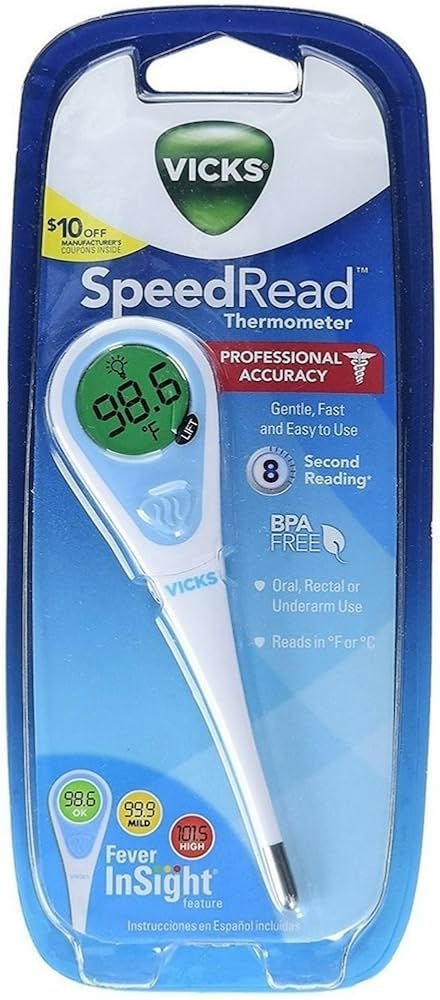
It can be used underarm, oral, or rectal, depending on age and comfort. Many parents keep one basic model even after buying a faster ear or forehead option.
Best Two-in-One Thermometer for Baby and Toddlers
iProven Forehead & Ear Thermometer
A two-in-one thermometer gives you options. Use forehead mode for quick checks, then switch to ear mode when your child is older and calm enough for it.

This type is useful if different family members prefer different methods. It can also reduce the number of devices you keep at home.
How to Choose the Best Thermometer for Baby
Match the thermometer type to age
Newborns often get the steadiest readings with rectal checks. As babies grow, ear and forehead thermometers can be easier for quick checks.
If you want more options for older kids, see the best thermometers for kids (children) for family-friendly picks.
Pick what you will actually use
A thermometer can be “great” on paper, but if it’s hard to use while your baby is crying, it won’t help. Choose a style you feel comfortable using at 2 a.m.
Keep one “confirm” thermometer.
Many parents keep one basic digital or rectal thermometer to double-check a fever reading from an ear or forehead device.
How to Take a Baby’s Temperature the Right Way
Rectal method (newborns and young infants)
Use a small amount of lubricant, and insert only a small depth. Hold your baby steady and keep the thermometer straight.
Clean the thermometer before and after every use. Keep it labeled for rectal use only.
Ear method (older babies)
Make sure the ear canal is clear. Follow the device directions for gentle placement so the sensor points correctly.
If your child has been outside in cold weather, wait a bit before checking again.
Forehead method (any age)
Keep the skin dry and scan the same way each time. Try not to press too hard.
For best results, check twice and compare the numbers if your baby feels warm.
FAQs
A: Many parents use a rectal thermometer for newborns, then switch to ear or forehead options as the baby gets older.
A: Yes, when used gently and with the correct depth. Many parents use it for newborn checks.
A: They can be very useful for quick checks, but technique matters. If you get a high reading, double-check with a digital method.
A: Forehead scanning is often the easiest at night. Ear thermometers can also be fast once the baby is old enough.
DISCLAIMER:
This blog post is for informational purposes only. We make every effort to provide accurate, current, and well-sourced information, but we cannot guarantee its completeness or absolute accuracy.
All images, videos, and logos used on bestfordaily.com are the property of their respective owners. We aim to credit and reference them appropriately. If you are the rightful owner and wish to have your image, video, or logo removed, please get in touch with us.