- Topic: Best telescope for viewing planets and galaxies in USA (2026 guide)
- Best for: Moon detail, planets, brighter galaxies, star clusters
- Telescope types: Refractor, reflector, computerized GoTo
- Skill level: Beginner to intermediate
- Updated: 2026
If you want the best telescope for viewing planets and galaxies, start with two specs: aperture (light gathering) and mount stability (steady views). In the USA, many beginners buy a scope with lots of add-ons, but a solid telescope with decent optics and a stable mount usually gives better results. This 2026 list focuses on models that are practical for backyard viewing and easy to live with.
| Telescope | Type | Aperture | Best For | Approx. Price (USD) |
|---|---|---|---|---|
| Celestron NexStar 8SE | Computerized SCT | 8″ (203mm) | Planets + brighter galaxies | $1,399–$1,799 |
| Celestron NexStar 130SLT | Computerized reflector | 130mm | Easy GoTo + mixed targets | $549–$699 |
| SVBONY SV503 102ED | ED refractor | 102mm | Sharp planets + wide views | $599–$899 |
| Celestron StarSense Explorer LT 114AZ | Manual reflector + phone guidance | 114mm | Finding targets fast | $249–$349 |
| Celestron PowerSeeker 127EQ | Manual reflector (EQ) | 127mm | Budget starter scope | $199–$299 |
Best Telescope for Viewing Planets and Galaxies Overall (USA Pick)
Celestron NexStar 8SE
If you want one scope that does well on planets and still has enough light for many deep-sky targets, the NexStar 8SE is a strong choice. The 8-inch aperture pulls in more light than most starter scopes. That helps you see more detail on Jupiter and Saturn, and it also helps with brighter galaxies and clusters.
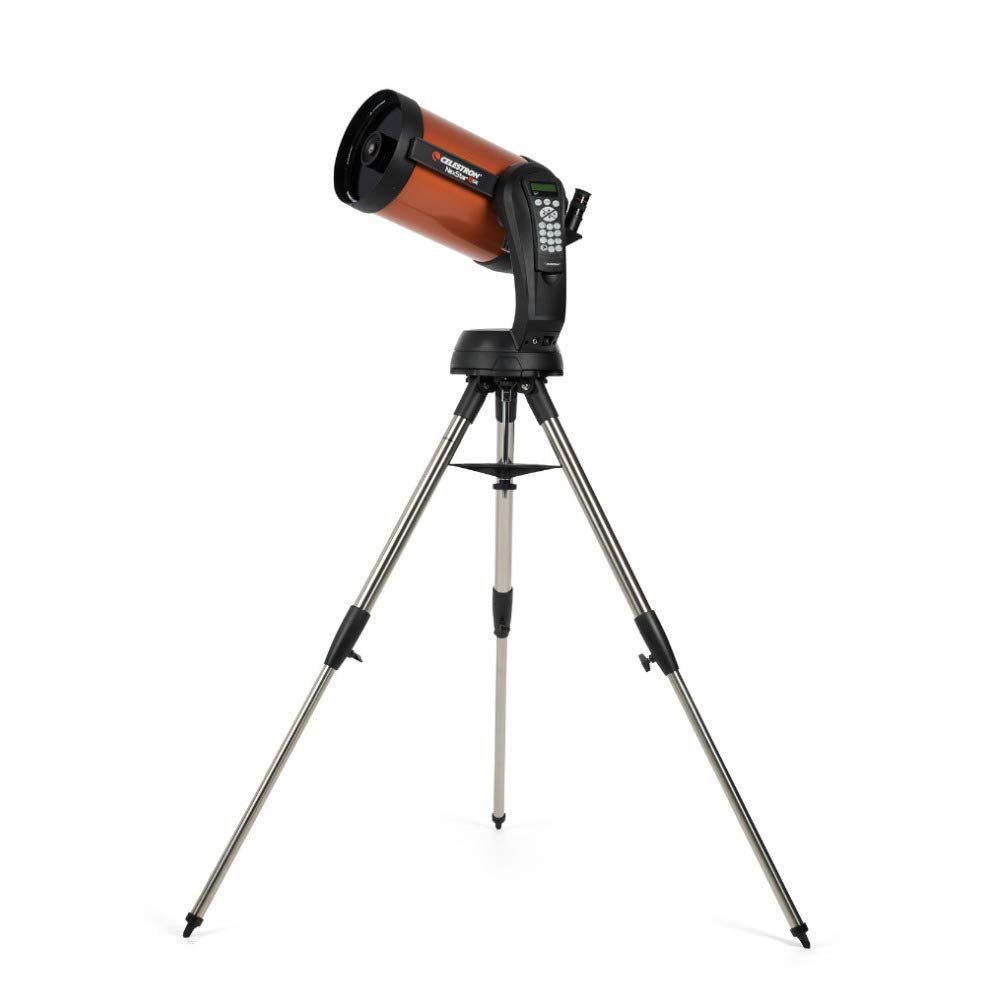
The computerized GoTo mount can save time. You align it, pick a target, and the scope points and tracks. That is useful when you want steady views at higher power, where even small shakes can ruin the image.
If you also want a second list focused only on faint targets, see the best telescope for deep space.
Best Computerized Telescope for Beginners (Easy Setup)
Celestron NexStar 130SLT
The NexStar 130SLT is a nice middle ground for many USA beginners. It gives computerized pointing and tracking, but stays lighter and more budget-friendly than larger GoTo setups. The 130mm reflector has enough aperture to show crisp lunar views and solid planetary detail.
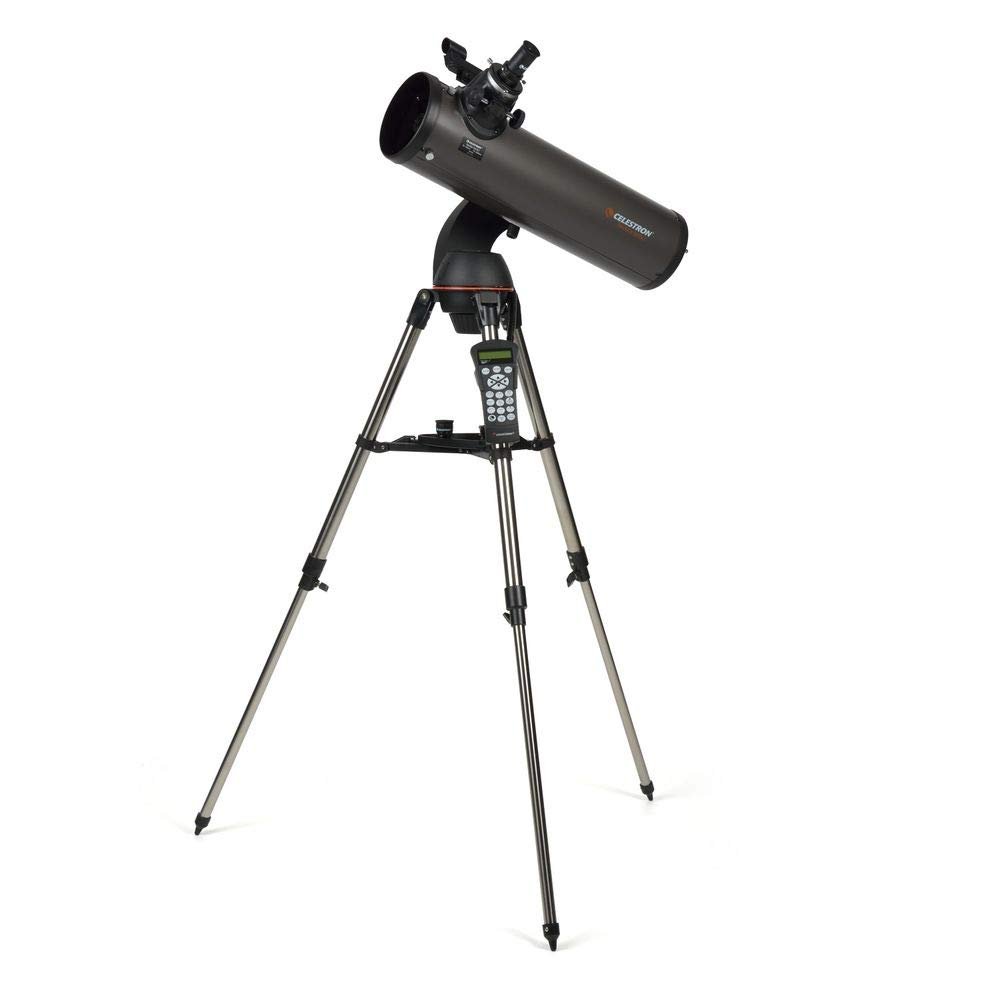
It is also a good “learn-as-you-go” option. You can start with the Moon and planets, then move to brighter galaxies and nebulae once you get comfortable with alignment and eyepiece choices.
For quick phone photos through the eyepiece, a stable phone mount helps. You can also check the best tripod for iPhone if you want a steadier setup for shooting the Moon.
Best Refractor for Sharp Planet Views
SVBONY SV503 102ED
A good ED refractor can give very clean contrast on the Moon and planets. The SV503 102ED is built for sharp images with reduced color fringing compared with basic refractors. That makes it easier to focus fine detail, especially on bright objects.
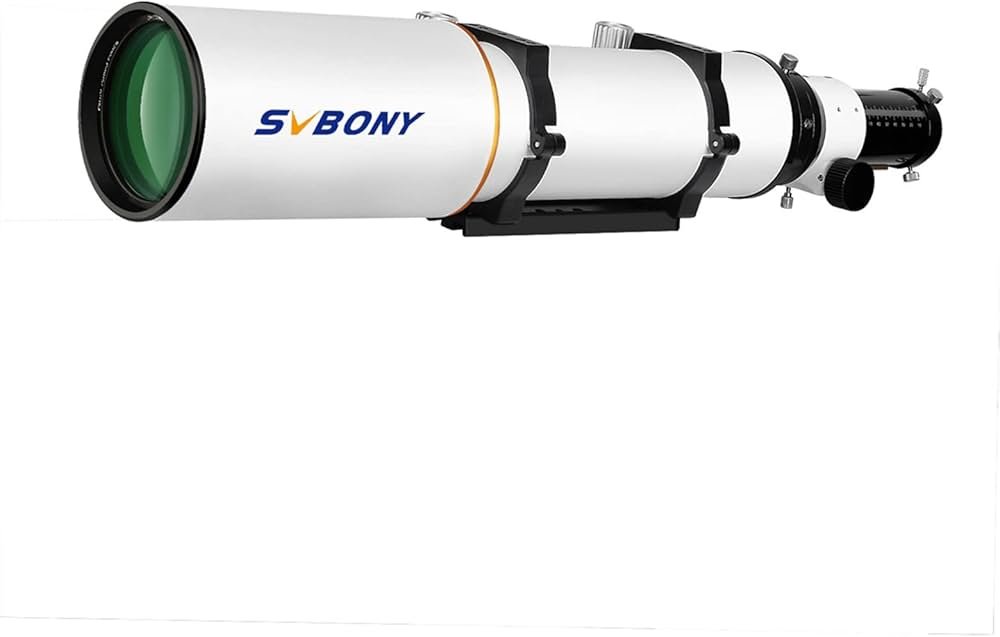
It is also practical for wide-field viewing. That means it works well for star clusters and larger deep-sky targets where a wider view looks better than high magnification.
If you plan to document what you see, you may also like the best camera for digital photography for general shooting beyond the telescope.
Best “Help Me Find Stuff” Telescope (Beginner Friendly)
Celestron StarSense Explorer LT 114AZ
Finding targets is the hardest part for many new users. This scope’s big advantage is guidance through a phone-based system, which helps you point in the right direction. The 114mm reflector provides good views of the Moon and visible planet detail, and it can also show brighter deep-sky objects from darker skies.
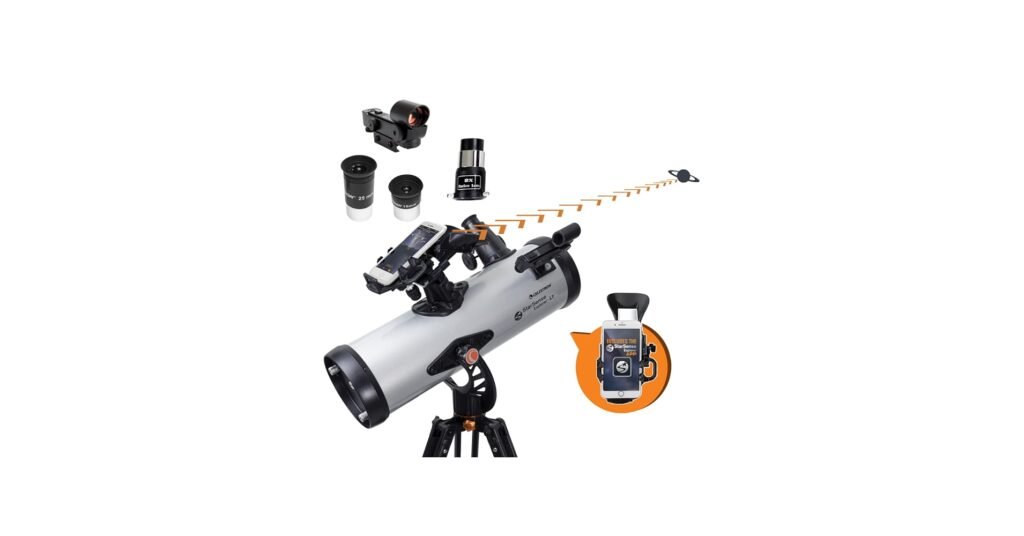
The mount is simple, so it can feel easier than an equatorial setup. Just keep expectations realistic: very faint galaxies still depend a lot on light pollution and sky conditions.
Best Budget Telescope (Basic Starter)
Celestron PowerSeeker 127EQ
If your budget is tight and you still want to start learning the sky, the PowerSeeker 127EQ is often chosen as a first step. The 127mm aperture can show the Moon well and give enjoyable views of planets when seeing conditions are decent.
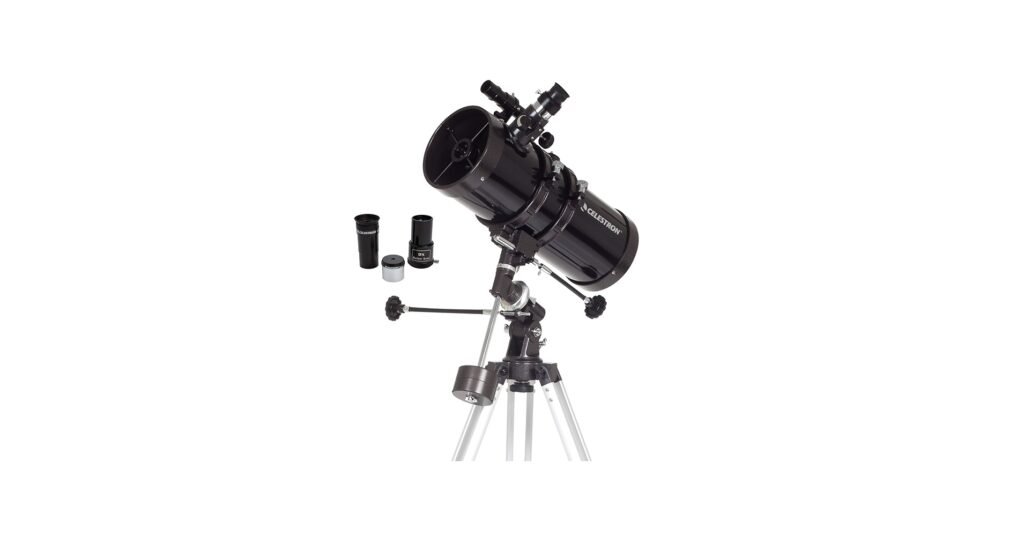
That said, budget kits may include accessories you will outgrow fast. The best results usually come from careful setup, stable tripod placement, and taking your time with focusing and alignment.
How to Choose the Best Telescope for Viewing Planets and Galaxies
Aperture matters more than magnification
A bigger aperture shows brighter, clearer views. Many galaxies are faint, so aperture is a real limiter.
Mount stability is not optional
A shaky tripod ruins high-power views. A steady mount makes focusing and tracking much easier.
Pick a telescope type that matches your patience
- Refractors: crisp views, low fuss
- Reflectors: strong value for aperture, needs some collimation
- GoTo scopes: faster target finding, but alignment takes practice
Light pollution changes everything
In many USA cities, galaxies can look like faint smudges. Darker skies make a bigger difference than a “better” eyepiece.
FAQs
A computerized scope like the NexStar 130SLT is a good start if you want help finding targets. If you want more light, the NexStar 8SE is a bigger step up.
No, but it helps. Planets are easy to find. Many galaxies are harder, so GoTo can save time.
A good refractor is often easier for sharp planet views. Reflectors give more aperture for the money, which helps with faint objects.
Yes, but results depend on light pollution. From bright suburbs, you may only see the brighter ones, and they can look faint.
DISCLAIMER:
This blog post is for informational purposes only. We make every effort to provide accurate, current, and well-sourced information, but we cannot guarantee its completeness or absolute accuracy.
All images, videos, and logos used on this page belong to their respective owners. We aim to credit and reference them appropriately. If you are the rightful owner and wish to have your image, video, or logo removed, please contact us.