Best MacBook for Photo Editing – Quick Facts
- Best Overall: MacBook Pro 14-inch (M3 Pro)
- Best for Professionals: MacBook Pro 16-inch (M3 Max)
- Best Value: MacBook Air 15-inch (M3)
- Best Display: Liquid Retina XDR (MacBook Pro)
- Recommended RAM: 16GB minimum (32GB+ ideal)
- Ideal Storage: 1TB SSD or higher
- Keyphrase: best macbook for photo editing
If you are searching for the best MacBook for photo editing in the USA, choosing the right model can dramatically improve your editing speed, color accuracy, and overall workflow. Apple’s latest M3-powered MacBooks deliver serious gains in CPU, GPU, and memory efficiency, making them ideal for handling large RAW files, layered Photoshop projects, and Lightroom catalogs.
This updated guide breaks down which MacBook is actually worth buying for photo editing in 2026, based on real performance needs — not marketing hype.
| Model | Best For | Display | Recommended RAM | Starting Price |
|---|---|---|---|---|
| MacBook Pro 14-inch (M3 Pro) | Best overall photo editing | Liquid Retina XDR | 32GB | $1,999 |
| MacBook Pro 16-inch (M3 Max) | Professional studios | Liquid Retina XDR | 36–64GB | $2,499 |
| MacBook Air 15-inch (M3) | Best value | Retina | 16GB | $1,299 |
MacBook Pro 14-inch (M3 Pro) – Best Overall for Photo Editing
The MacBook Pro 14-inch with M3 Pro is the most balanced choice for photographers who want speed, accuracy, and portability. It handles heavy Lightroom catalogs, Photoshop composites, and high-resolution exports without slowdowns.
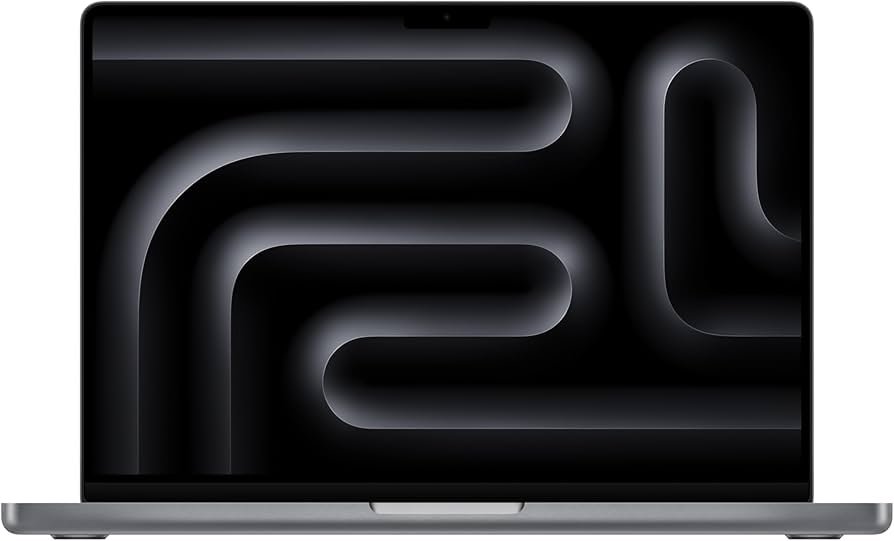
The Liquid Retina XDR display delivers exceptional brightness and color accuracy, which is critical for professional photo work. ProMotion keeps scrolling and zooming smoothly while editing.
For creators who also work with accessories, this model pairs well with external gear and workflows commonly used alongside tools like high-resolution monitors or even the best webcam for MacBook Pro for studio calls and client reviews.
Best for: Advanced hobbyists and professional photographers
Recommended config: M3 Pro, 32GB RAM, 1TB SSD
MacBook Pro 16-inch (M3 Max) – Best for High-End Professionals
If money is not a constraint, the 16-inch MacBook Pro with M3 Max is the most powerful MacBook for photo editing. It is built for massive RAW libraries, multi-app workflows, and heavy AI-based edits.
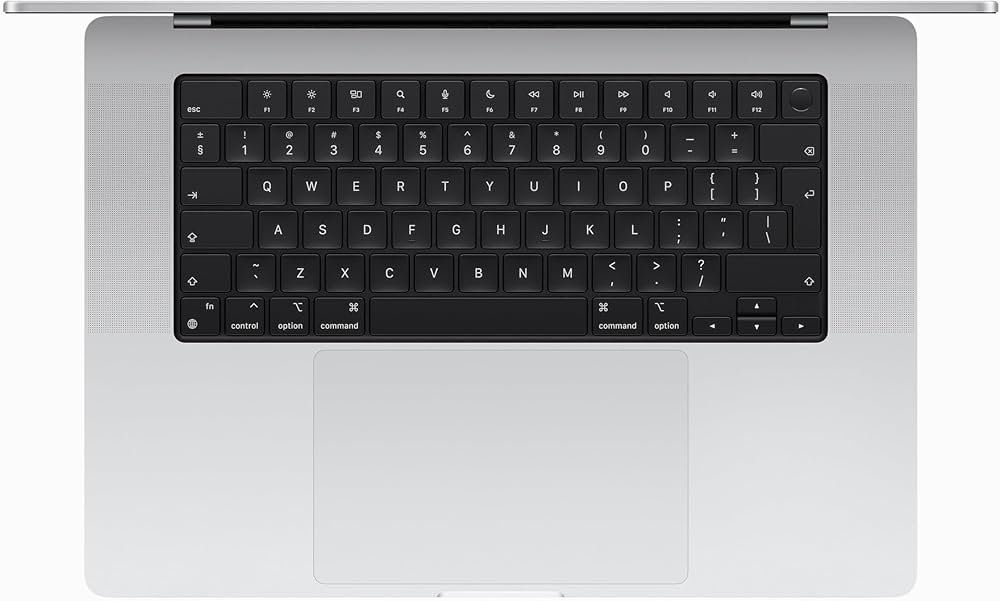
The larger XDR display gives more room for timelines, layers, and side panels. This model is ideal for studio professionals who want a desktop-class experience in a laptop form.
Photographers upgrading from older Intel models or comparing performance tiers may also want to review Apple pricing differences versus mid-range options like those listed in the best laptops for $1000 to understand the performance gap.
Best for: Studio professionals, commercial photographers
Recommended config: M3 Max, 36–64GB RAM, 2TB SSD+
MacBook Air 15-inch (M3) – Best Value for Photo Editors
The MacBook Air 15-inch (M3) is the best value option for photographers who want strong performance without the Pro price tag. It easily handles Lightroom, Capture One, and Photoshop for most editing tasks.
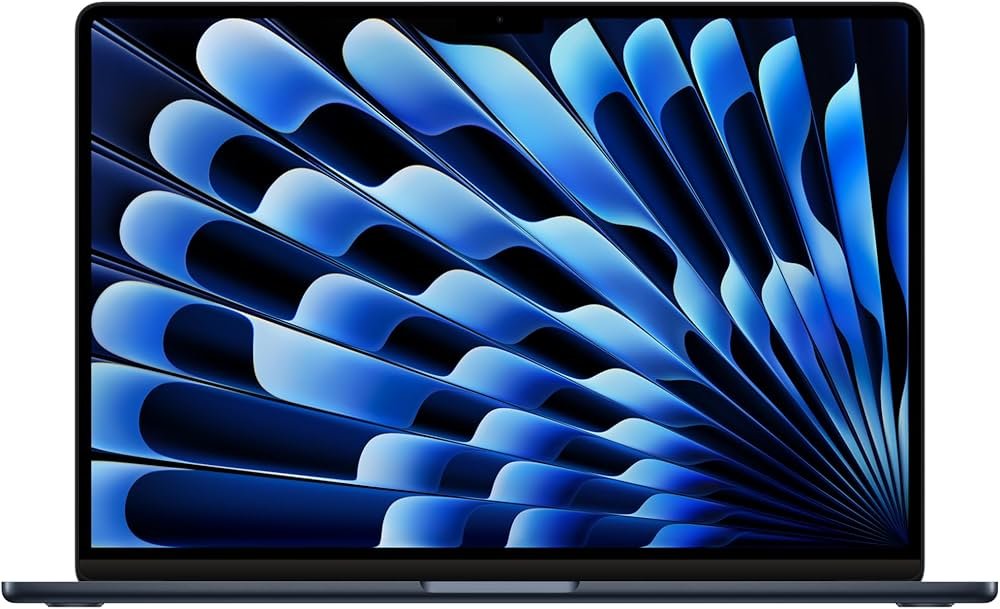
The larger screen improves comfort over the 13-inch Air, and the fanless design keeps things silent during long sessions. While it lacks XDR brightness, color accuracy is still excellent for web and print editing.
This model is ideal for travel photographers or creators who want portability similar to ultralight devices.
Best for: Enthusiasts, students, travel photographers
Recommended config: M3, 16GB RAM, 1TB SSD
Display Quality for Photo Editing on MacBooks
Display accuracy matters more than raw power for many photographers. MacBook Pro models feature Liquid Retina XDR, offering higher brightness, deeper contrast, and better HDR performance. This is crucial when working with highlights and shadows.
MacBook Air displays are still Retina-quality and color-accurate, but they lack the extreme brightness and contrast range professionals may require.
If color grading, print proofing, or commercial work is your priority, the Pro models are the safer choice.
Performance: M3 vs M3 Pro vs M3 Max
For photo editing:
- M3 handles most workflows smoothly
- M3 Pro excels at batch exports and large catalogs
- M3 Max is ideal for AI tools, panoramic stitching, and heavy multitasking
You do not need M3 Max unless you are working with extremely large files or combining photo and video workflows.
Storage & RAM Recommendations
For the best MacBook for photo editing:
- RAM: 16GB minimum, 32GB preferred
- Storage: 1TB SSD minimum for active catalogs
Avoid base 8GB models if you regularly work with RAW files.
FAQ
The MacBook Pro 14-inch with the M3 Pro chip is the best MacBook for photo editing overall. It offers excellent performance, accurate color reproduction, and strong battery life, making it suitable for both professional and advanced hobbyist photographers.
Yes, the MacBook Air with the M3 chip is good enough for photo editing, especially for Lightroom and Photoshop work. However, it is best suited for moderate workloads. For large RAW files and heavy batch exports, a MacBook Pro performs better.
For smooth photo editing, 16GB RAM is the minimum recommended. Professional photographers or users working with large catalogs should consider 32GB RAM or more.
Yes, MacBook Pro models have Liquid Retina XDR displays, which provide higher brightness, better contrast, and improved color accuracy compared to the Retina display on the MacBook Air. This makes them better for professional photo editing.
Storage size is very important for photo editing. A minimum of 1TB SSD is recommended to store RAW files, edited images, and catalogs without performance issues.
Yes, M3 chips offer better CPU and GPU performance compared to M2, especially for image exports, AI tools, and multitasking. If you are buying new, M3 models are the better long-term choice.
Yes, both MacBook Pro and MacBook Air models handle Photoshop and Lightroom very well. MacBook Pro models are faster for batch exports and complex edits, while MacBook Air is suitable for everyday editing tasks.
Photographers who edit occasionally or travel often should choose MacBook Air. Professionals working with large files, color-critical projects, or client work should choose MacBook Pro.
DISCLAIMER:
This blog post is for informational purposes only. We make every effort to provide accurate, current, and well-sourced information, but we cannot guarantee its completeness or absolute accuracy.
All images, videos, and logos used on bestfordaily.com are the property of their respective owners. We aim to credit and reference them appropriately. If you are the rightful owner and wish to have your image, video, or logo removed, please get in touch with us.