- Topic: Best glue for wood (2026 guide)
- Best for: Furniture, shelves, trim, repairs, outdoor pieces
- Glue types: PVA, waterproof PVA, epoxy, CA, polyurethane
- Skill level: Beginner to advanced
- Updated: 2026
The best glue for wood depends on what you’re building and where it will live. Indoor joints often do great with PVA wood glue, while outdoor projects usually need a glue rated for water exposure.
This 2026 guide ranks reliable wood glues by real use: furniture joinery, fast fixes, gap filling, and outdoor repairs. Each pick below includes a simple “best for” so you can match the glue to the job.
| Wood Glue | Type | Best Use | Water Rating | Estimated Price |
|---|---|---|---|---|
| Titebond III Ultimate Wood Glue | PVA | Outdoor furniture, cutting boards, tough joints | Waterproof (Type I) | $8–$18 |
| Gorilla Wood Glue | PVA | General woodworking, indoor + light outdoor | Water resistant (Type II) | $6–$14 |
| Elmer’s Carpenter’s Wood Glue Max | PVA | Indoor furniture, trim, fast clamps | Water resistant | $6–$12 |
| Loctite PL Premium | Polyurethane | Heavy repairs, wood-to-nonwood, gap filling | Water resistant | $6–$12 |
| Two-Part Epoxy (5–30 min set) | Epoxy | Cracks, gaps, high-stress repairs | Water resistant | $8–$25 |
| Medium CA Glue (Wood CA) | CA | Quick fixes, small parts, pinch joints | Low | $7–$15 |
Best Glue for Wood Overall
Titebond III Ultimate Wood Glue
If you want one bottle that covers most jobs, Titebond III is a safe pick. It works for indoor builds, and it also suits outdoor pieces where water exposure is likely.
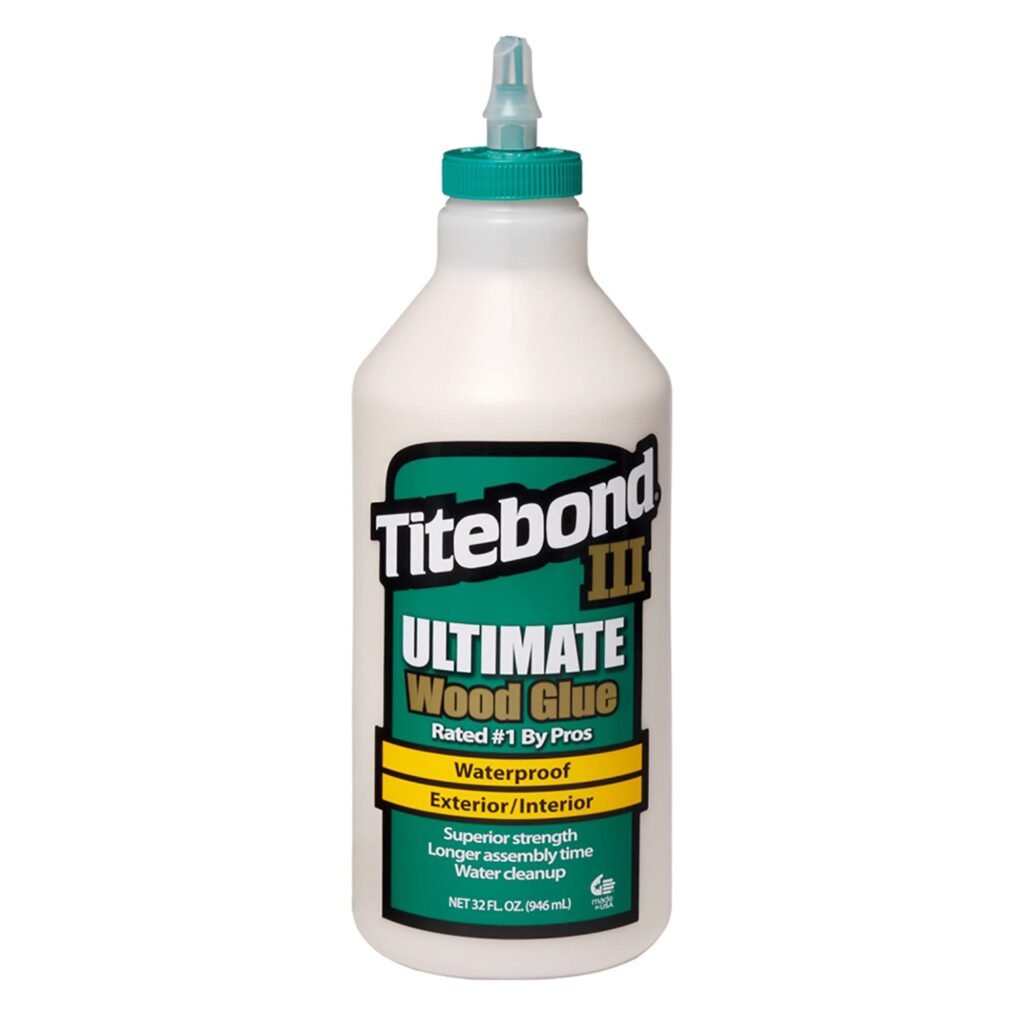
It has a workable open time, so you can align parts before clamping. That helps with bigger glue-ups like panels, tabletops, and frame builds.
Best Glue for Wood for General DIY Projects
Gorilla Wood Glue
Gorilla Wood Glue is a solid, everyday PVA option for furniture, trim, and basic repairs. It’s easy to spread and cleans up with water before it sets.

If you’re refinishing a piece before glue-up, remove old finish and residue first. A guide like the best paint stripper for wood can help you prep, clean, and bare wood, which helps the joint hold better.
Best Budget Glue for Wood Joints
Elmer’s Carpenter’s Wood Glue Max
For indoor woodworking on a budget, Elmer’s Carpenter’s Wood Glue Max is a good choice. It’s made for wood-to-wood joints like edge joins, trim, and small furniture work.
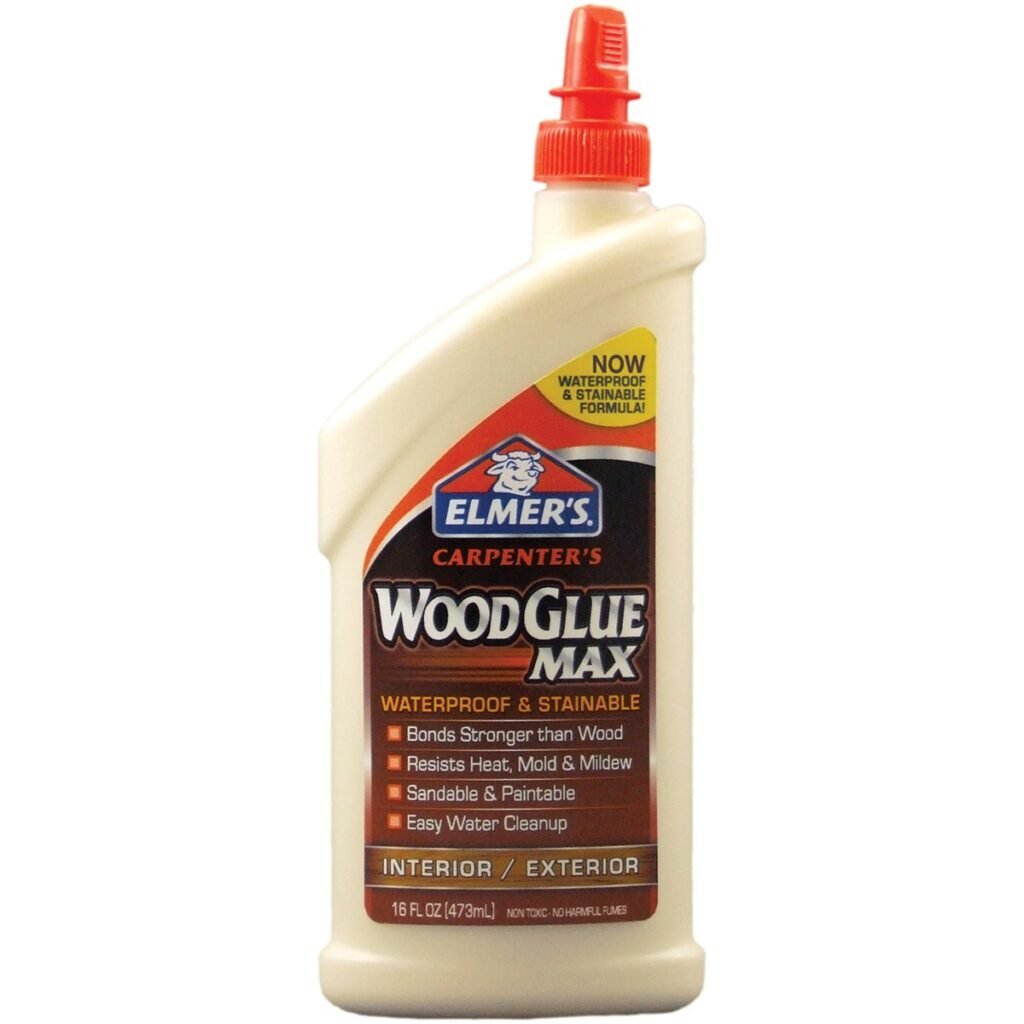
It’s also a nice “first wood glue” for beginners because it behaves predictably. Pair it with decent clamping pressure and tight-fitting joints for strong results.
Best Glue for Wood Repairs With Small Gaps
Two-Part Epoxy (5–30 Minute Set)
Epoxy is the move when your joint is not perfect, or when the wood is cracked and needs filling plus bonding. It can bridge small gaps better than most PVA glues.
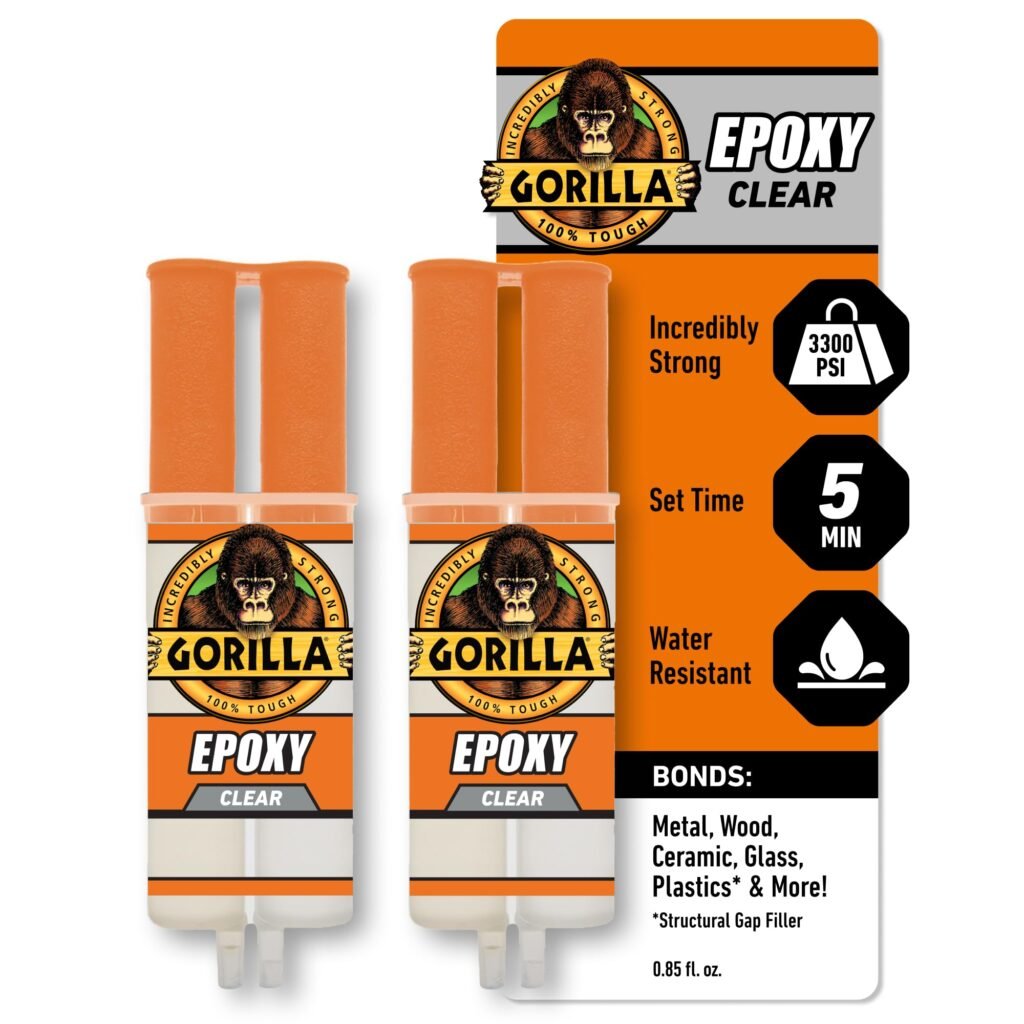
After it cures, epoxy can be sanded and shaped. If you plan to stain over a repaired area, you may also want best wood filler for staining for surface touch-ups after the structural fix.
Best Glue for Wood-to-Other Materials
Loctite PL Premium (Polyurethane)
Polyurethane construction adhesive is useful when you’re bonding wood to materials like masonry, drywall, metal, or treated lumber. It also does well for tough repairs where the joint has minor gaps.
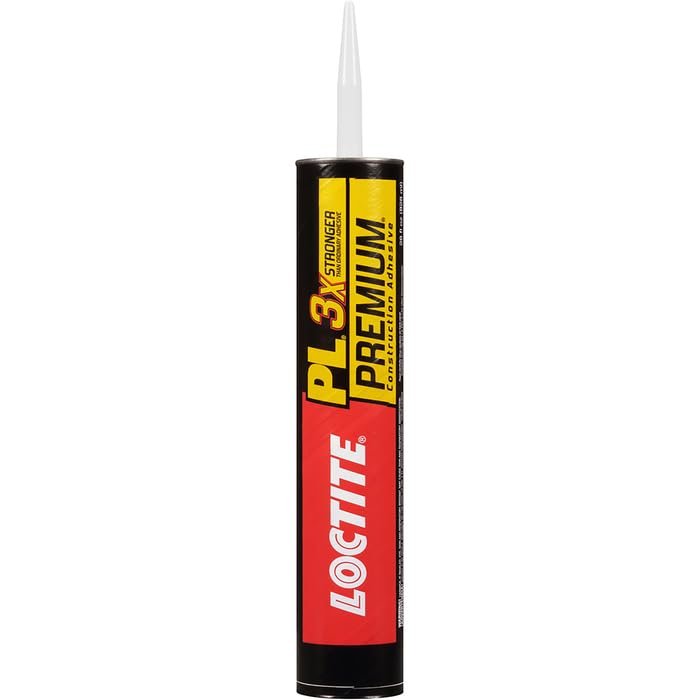
Use it when regular wood glue is not a good fit. Keep the squeeze-out under control, since polyurethane adhesives can expand as they cure.
Best Fast Glue for Wood Small Parts
Medium CA Glue (Wood CA)
CA glue is great for quick fixes, small trim pieces, and tight spots where clamping is hard. It grabs quickly, which is handy for small repairs that would be annoying with a slow-set glue.
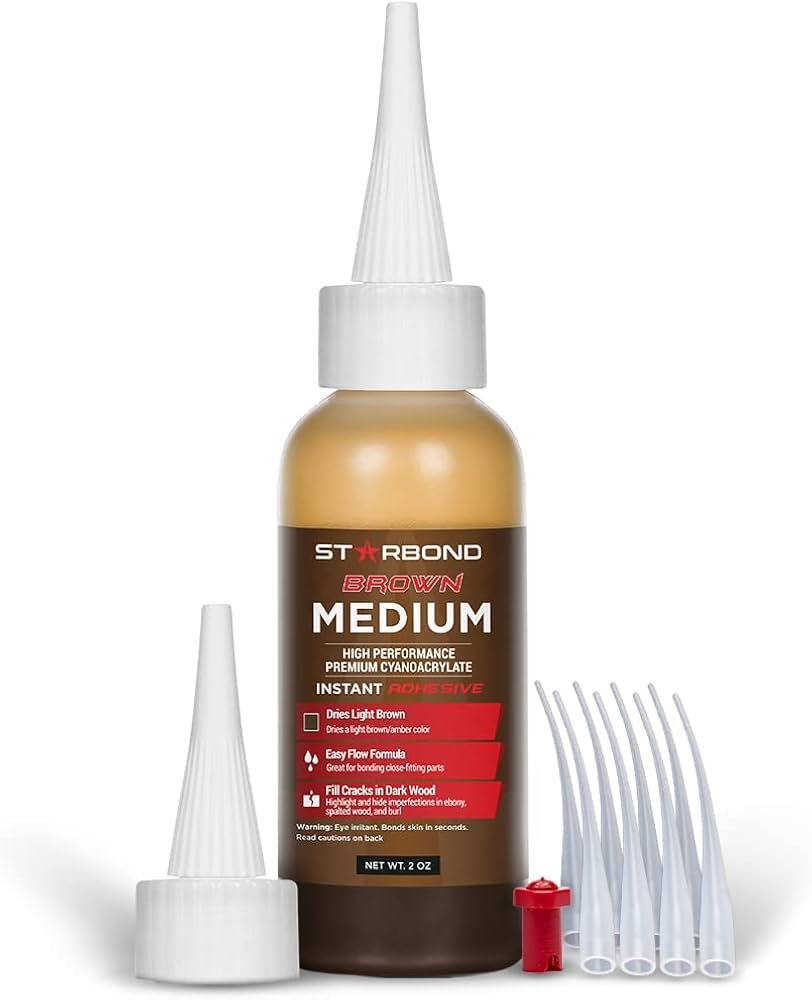
Use it with care. It can bond skin fast, so keep the nozzle clean and work in short bursts.
How to Choose the Best Glue for Wood
Match the glue to the job
Indoor joinery usually does best with PVA wood glue. Outdoor furniture and exposed projects do better with a waterproof-rated glue.
Think about joint fit and clamping
Tight joints + clamps favor PVA glue. If there are gaps, epoxy or polyurethane can be a better call.
Plan for the finish
Some glue lines show under clear finishes. Test on scrap if the joint will be visible. If you’re building storage, wood choice matters too, not just glue—see best wood for shelves for shelf-friendly options.
FAQs
A: For most furniture joints, a quality PVA wood glue works well. For outdoor furniture, use a waterproof-rated option.
A: A waterproof wood glue is the safer pick for rain, humidity, and temperature swings.
A: Epoxy can be stronger for repairs and small gaps, but tight wood joints with PVA glue can be extremely strong, too.
A: It’s better to bond bare wood. Sand or strip paint where the joint will be, then glue and clamp.
A: Clamp time depends on the glue and conditions. Many PVA glues need at least 20–60 minutes of clamp time, then more time to fully cure.
DISCLAIMER:
This blog post is for informational purposes only. We make every effort to provide accurate, current, and well-sourced information, but we cannot guarantee its completeness or absolute accuracy.
All images, videos, and logos used on bestfordaily.com are the property of their respective owners. We aim to credit and reference them appropriately. If you are the rightful owner and wish to have your image, video, or logo removed, please contact us.