- Board games help kids build logic, memory, social skills, and teamwork.
- Cooperative games are perfect for preschoolers learning turn-taking.
- Classic family games teach strategy and problem-solving.
- Dexterity games encourage hand-eye coordination and fine motor skills.
- We reviewed expert picks and top-rated games for all age groups.
Board games are one of the best ways to help kids learn problem-solving and teamwork while having fun away from screens. Whether you want something silly for preschoolers or a strategy challenge for older kids, the right game can bring the whole family together. If you already enjoy family nights with titles from our best board games for adults guide, this list will help you build a kid-friendly collection to match for youngsters in the USA
| Board Game | Best For | Age Range | Key Highlights | Approx. Price (USD) |
|---|---|---|---|---|
| Cascadia | Best Overall Board Game for Kids | 8+ | Nature-themed tile laying, simple rules, great for families and growing strategy skills. | $35 |
| First Orchard | Best Cooperative Game for Preschoolers | 2–5 | Color-matching, teamwork-focused, chunky wooden pieces perfect for small hands. | $30 |
| Zingo | Best Early Learning & Matching Game | 4+ | Fast-paced tile matching, builds vocabulary, memory, and visual recognition. | $20 |
| Ice Cool 2 | Best Dexterity Game | 6+ | Flicking penguins through a 3D board, boosts hand–eye coordination and active play. | $35 |
| Dragonwood | Best Strategy & Adventure Game | 8+ | Card-and-dice fantasy quest, teaches probability, risk-reward, and tactical choices. | $20 |
| Guess Who? | Best Classic Family Game | 6+ | Quick deduction game, encourages critical thinking and question-asking skills. | $18 |
Best Overall Board Game for Kids: Cascadia
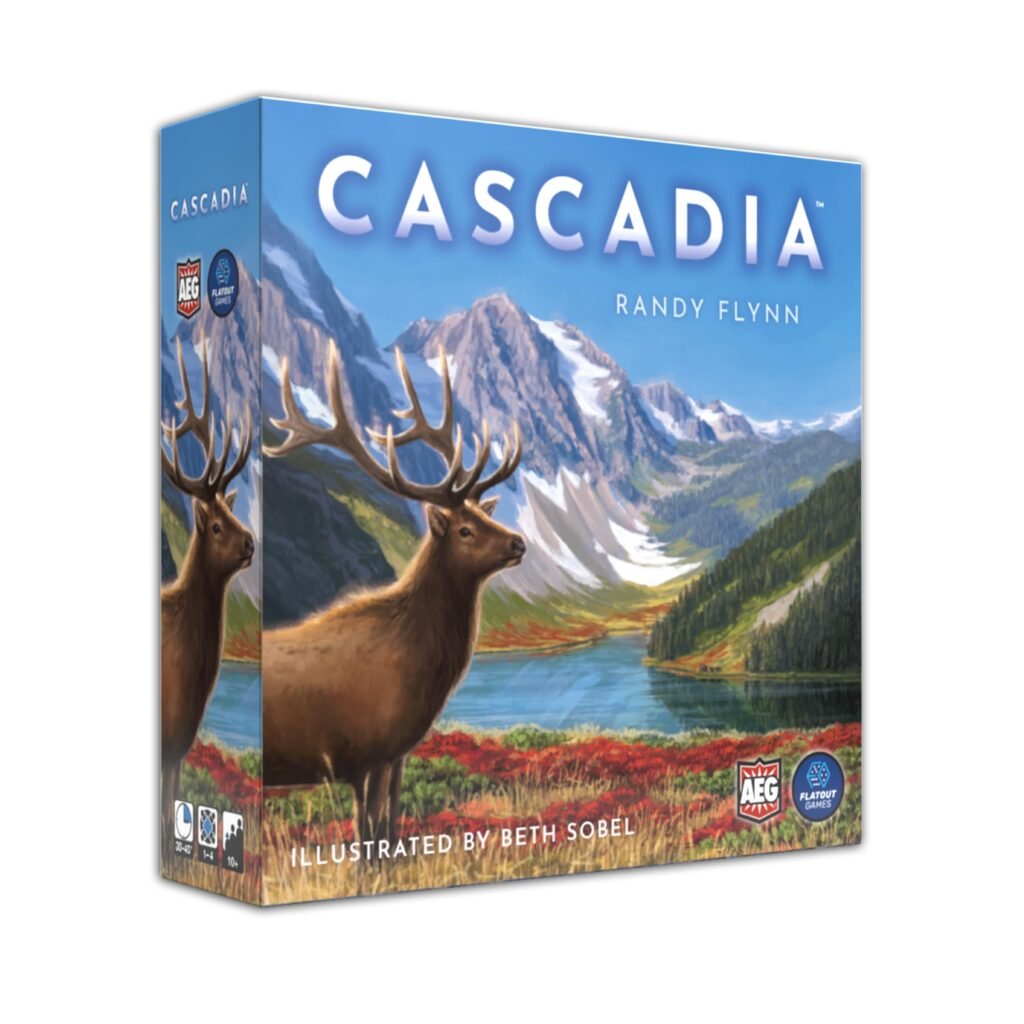
Cascadia shines because of its calm nature theme, simple rules, and impressive replay value. Kids build habitats, match animals, and experiment with patterns—helping them develop strategy in a low-pressure way. It’s accessible for younger players but rewarding enough that adults enjoy it too, making it a perfect bridge between kids’ games and more advanced family strategy titles.
Best Cooperative Game for Preschoolers: First Orchard
First Orchard is perfect for little gamers taking their first steps into board games. The chunky wooden fruit, bright colors, and shared goal of beating the raven help preschoolers practice color matching, turn-taking, and teamwork without any pressure to “beat” their siblings. It’s a significant step up from picture books and simple toys, especially alongside resources like our best books for 2-year-olds guide.
Best Early Learning Game: Zingo
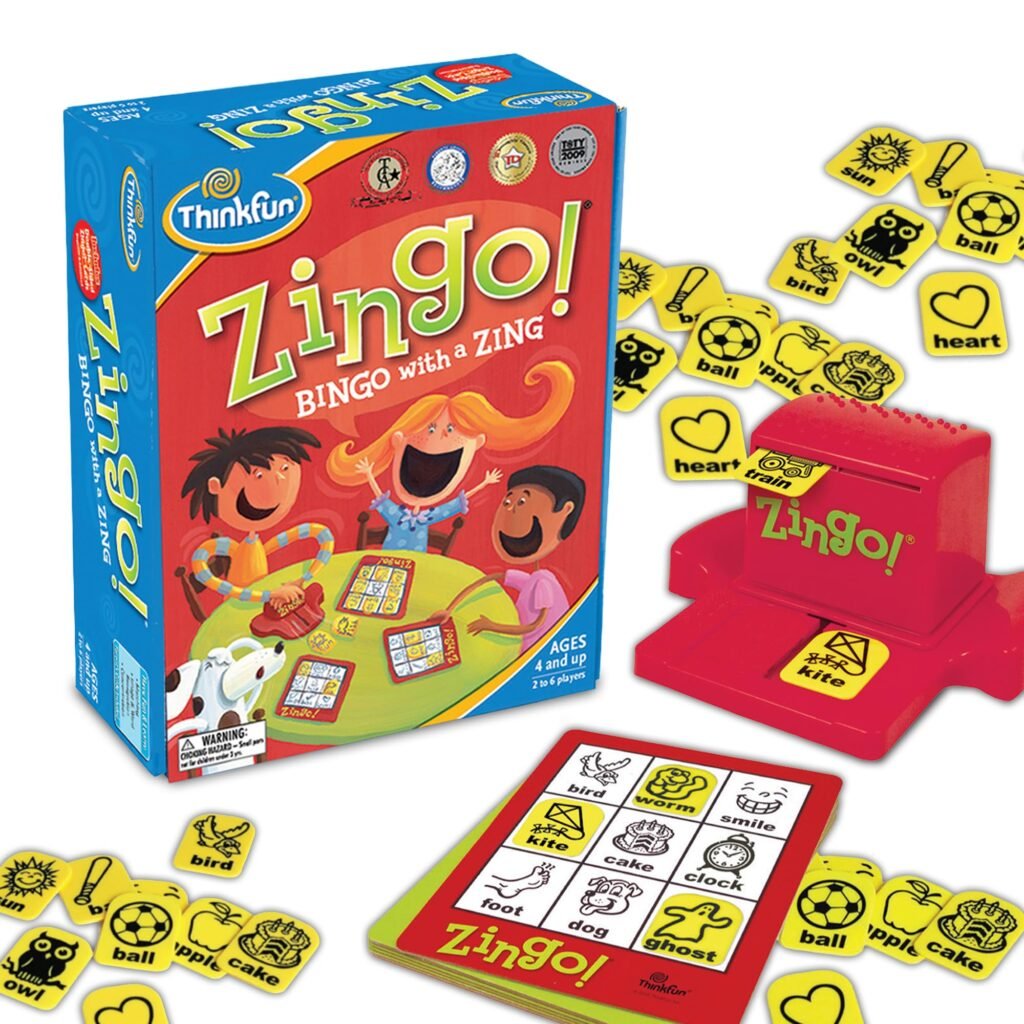
Zingo is a fast-paced matching and vocabulary game that keeps kids engaged with its clever tile dispenser and simple bingo-style boards. It helps preschoolers and early elementary kids build language, memory, and quick-thinking skills while still feeling like pure fun. Rounds are short, so it’s easy to squeeze in a game before bedtime or between activities.
Best Dexterity Game: Ice Cool 2
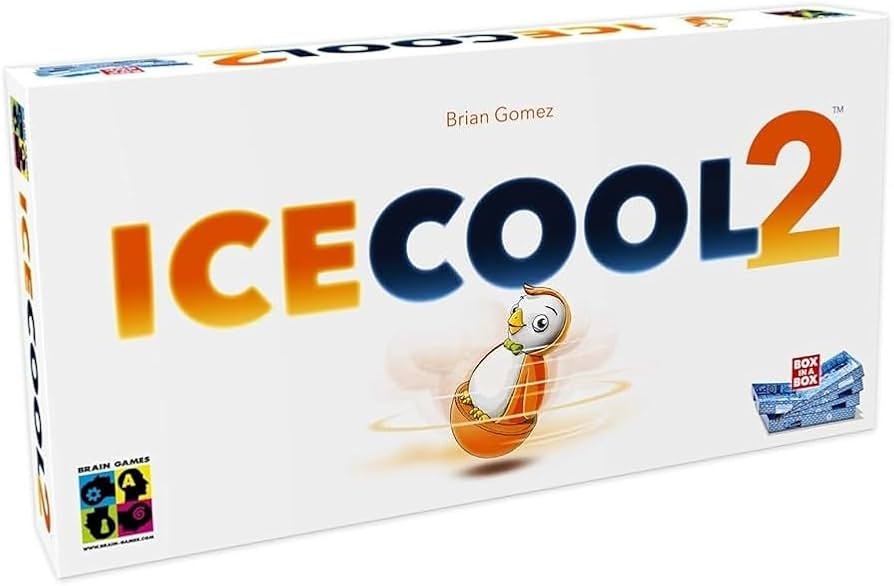
Ice Cool 2 delivers energetic, hands-on fun as kids flick penguin pawns through doorways in a 3D school board. It’s great for children who like action and movement, helping them develop hand-eye coordination and planning as they angle shots and bounce around corners. The toy-like setup makes it an instant hit on game night.
Best Strategy Game for Kids: Dragonwood
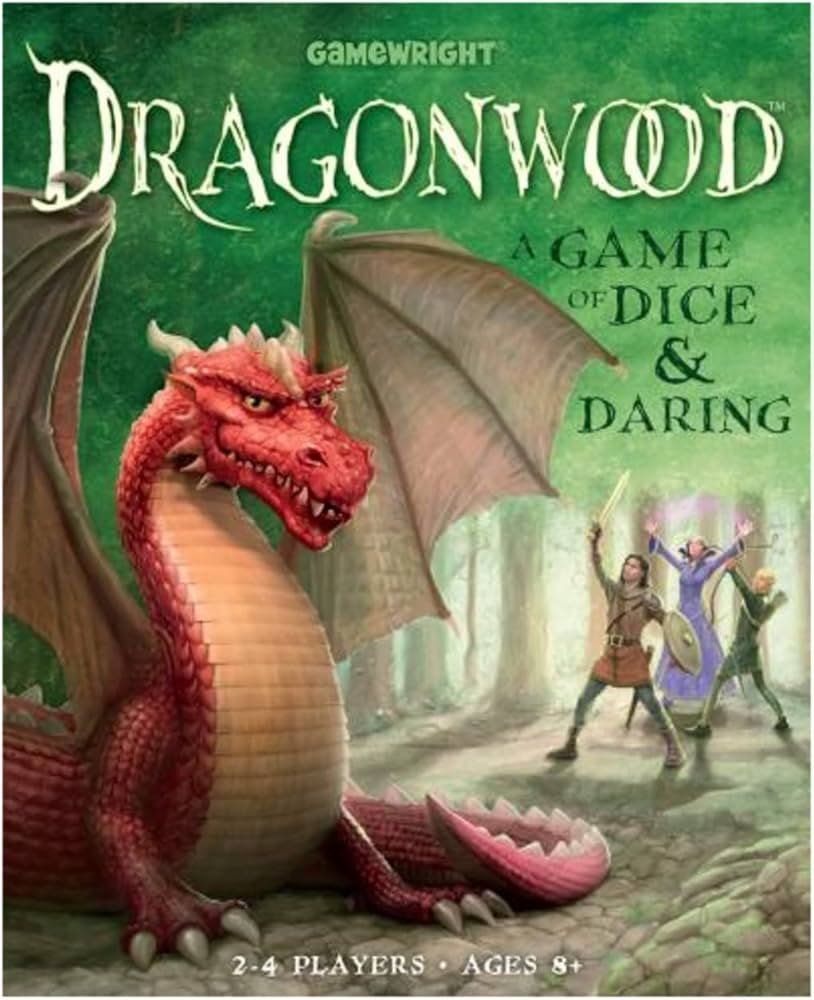
Dragonwood introduces kids to strategy and probability through a light fantasy adventure. Players collect cards, press their luck, and choose how to “capture” creatures using sets, runs, or repeated numbers. It’s simple to learn but offers enough decision-making to get children thinking about odds, risk-taking, and long-term plans—ideal for kids who are ready for a bit more depth, or as a stepping stone toward titles from our best games for 7-year-olds list.
Best Classic Family Game: Guess Who?
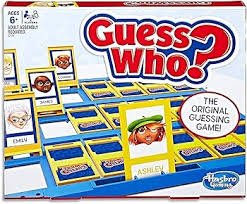
Guess Who? remains a timeless family favorite thanks to its quick setup and simple yes-or-no questioning. Kids practice deduction and observation as they narrow down the mystery character by asking about features like hair color, glasses, or hats. It’s easy to teach, short enough to replay multiple times, and perfect for siblings to play without constant adult supervision.
Best Memory & Matching Game: I Never Forget a Face
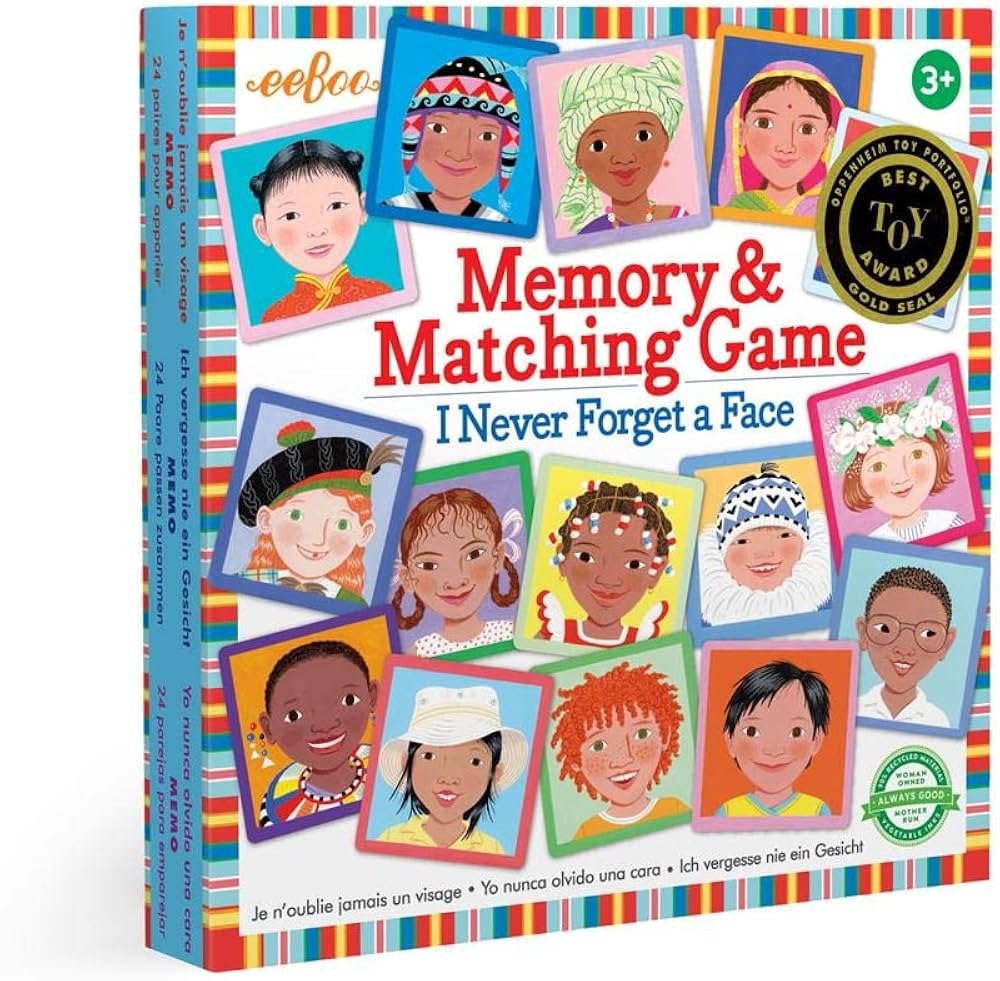
I Never Forget a Face is a charming memory game featuring illustrated faces of children from around the world. It strengthens visual memory, concentration, and turn-taking while also sparking casual conversations about diversity and culture. Because rounds are short and rules are simple, it works well for younger players who are just graduating from baby toys like those featured in our best toys for 10-month-old guide.
Best Game for Creativity: Hands-On Kids: Happy City
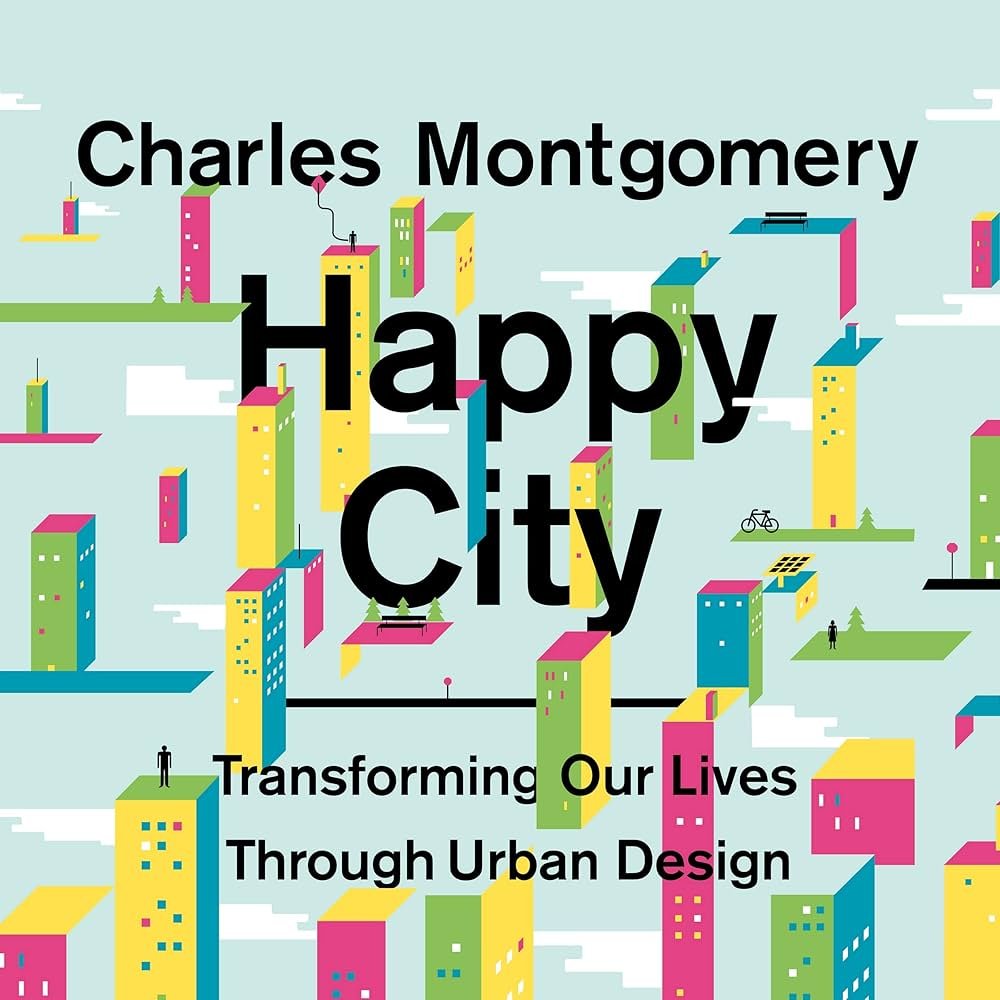
Happy City blends adorable artwork with light city-building mechanics as kids develop their own little town. They learn basic resource management and planning as they choose which buildings to add for more income, happiness, or special effects. It’s easy to understand but offers enough choices to keep things interesting for both kids and parents.
FAQ
Top picks include Cascadia, Zingo, Dragonwood, First Orchard, Guess Who?, Ice Cool 2, I Never Forget a Face, and Happy City. Together, they cover cooperation, strategy, memory, and just-for-fun play.
First Orchard is a standout cooperative game for preschoolers. It teaches teamwork, color recognition, and turn-taking with simple rules and chunky, kid-friendly components.
Zingo builds vocabulary and matching; Set Junior and I Never Forget a Face help with pattern recognition and memory; Rhino Hero and Ice Cool 2 improve dexterity and hand-eye coordination.
Guess Who? is one of the best classic family games for kids. It’s quick to play, easy to learn, and encourages logical questioning and deduction.
Dragonwood, Cascadia, and Disney Villainous (for older kids) offer more complex decisions and longer play, making them great next steps after simple roll-and-move games.
I Never Forget a Face, Zingo, and classic memory matching games are excellent for strengthening recall, concentration, and visual recognition in younger children.
DISCLAIMER:
This blog post is for informational purposes only. We make every effort to provide accurate, current, and well-sourced information, but we cannot guarantee its completeness or absolute accuracy.
All images, videos, and logos used on bestfordaily.com are the property of their respective owners. We aim to credit and reference them appropriately. If you are the rightful owner and wish to have your image, video, or logo removed, please get in touch with us.