- Topic: Best additive for slipping transmission (2026 guide)
- Best for: Mild slip, rough shifts, shudder, worn fluid feel
- Works on: Many automatic and some CVT systems (product-dependent)
- What it can do: Improve shift feel, reduce shudder, help tired seals
- Updated: 2026
If your car starts slipping between gears, it can feel scary and expensive fast. The best additive for slipping transmission can sometimes help when the issue is mild, the fluid is tired, or the shift feel is rough.
This 2026 list focuses on commonly used additives that target slip, shudder, and shift harshness. You’ll also see when an additive is not the right move, so you don’t waste money.
| Additive | Best For | Transmission Type | Typical Bottle Size | Estimated Price |
|---|---|---|---|---|
| Lucas Transmission Fix (10009) | Mild slip, hesitation, rough shifts | Automatic | 24 oz | $14–$20 |
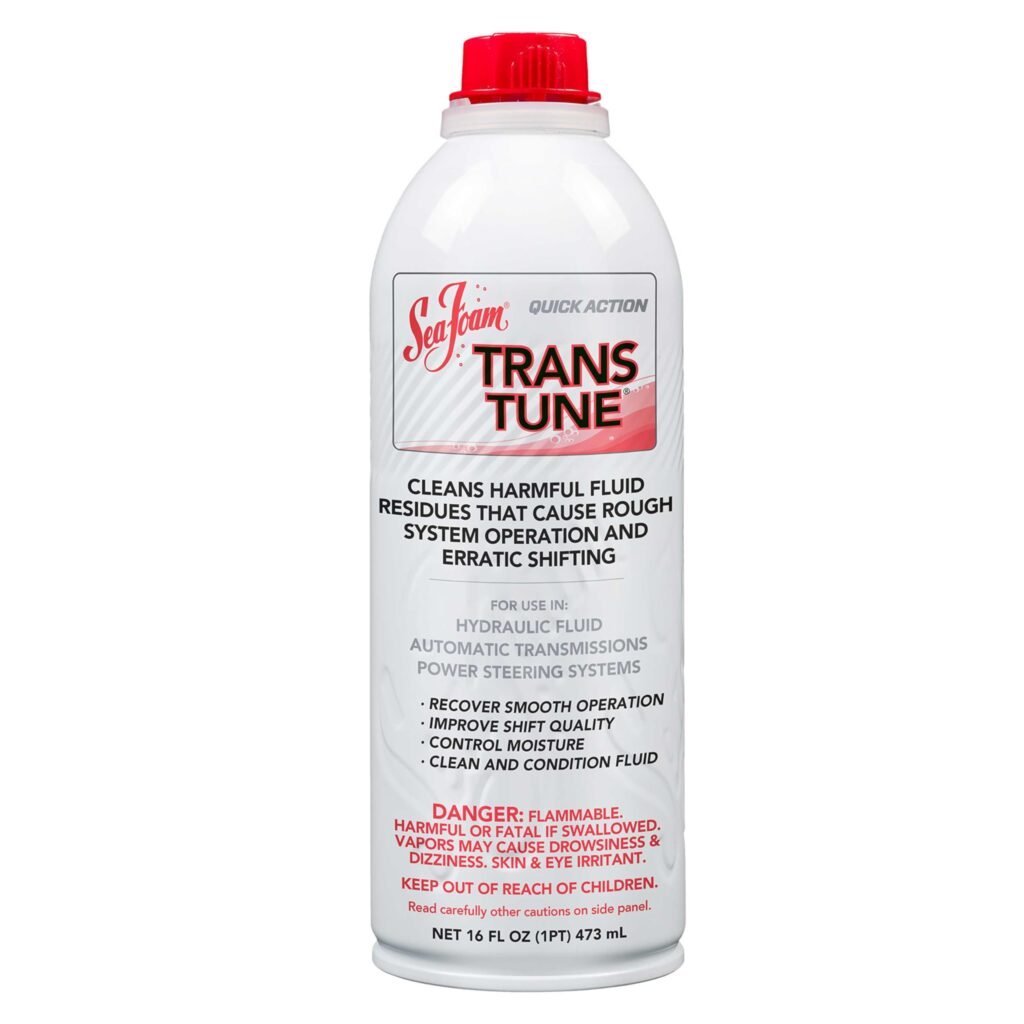
| Sea Foam Trans Tune | Sticky shift feel, rough shifting, cleaning deposits | Automatic / hydraulic systems | 16 oz | $14–$22 |
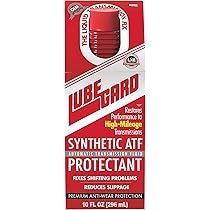
| Lubegard Red (60902) | Hot running ATF, harsh shifts, general shift feel | Automatic | 10 oz | $15–$30 |
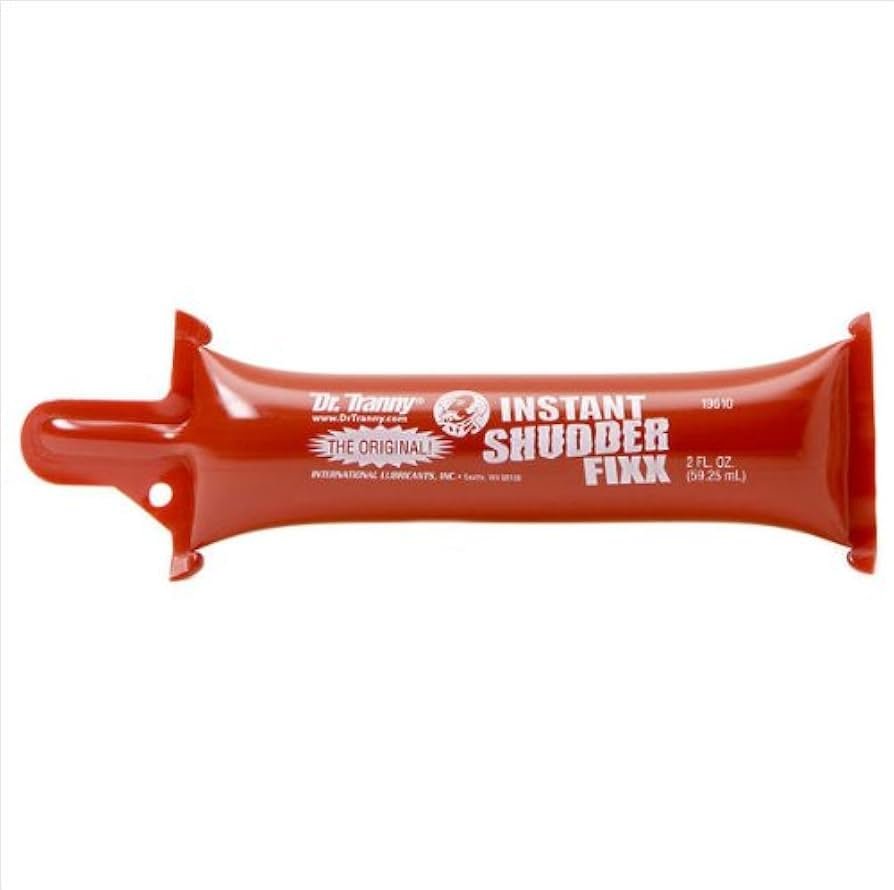
| Lubegard Instant Shudder Fixx | Torque converter shudder | Automatic | Small tube | $10–$20 |
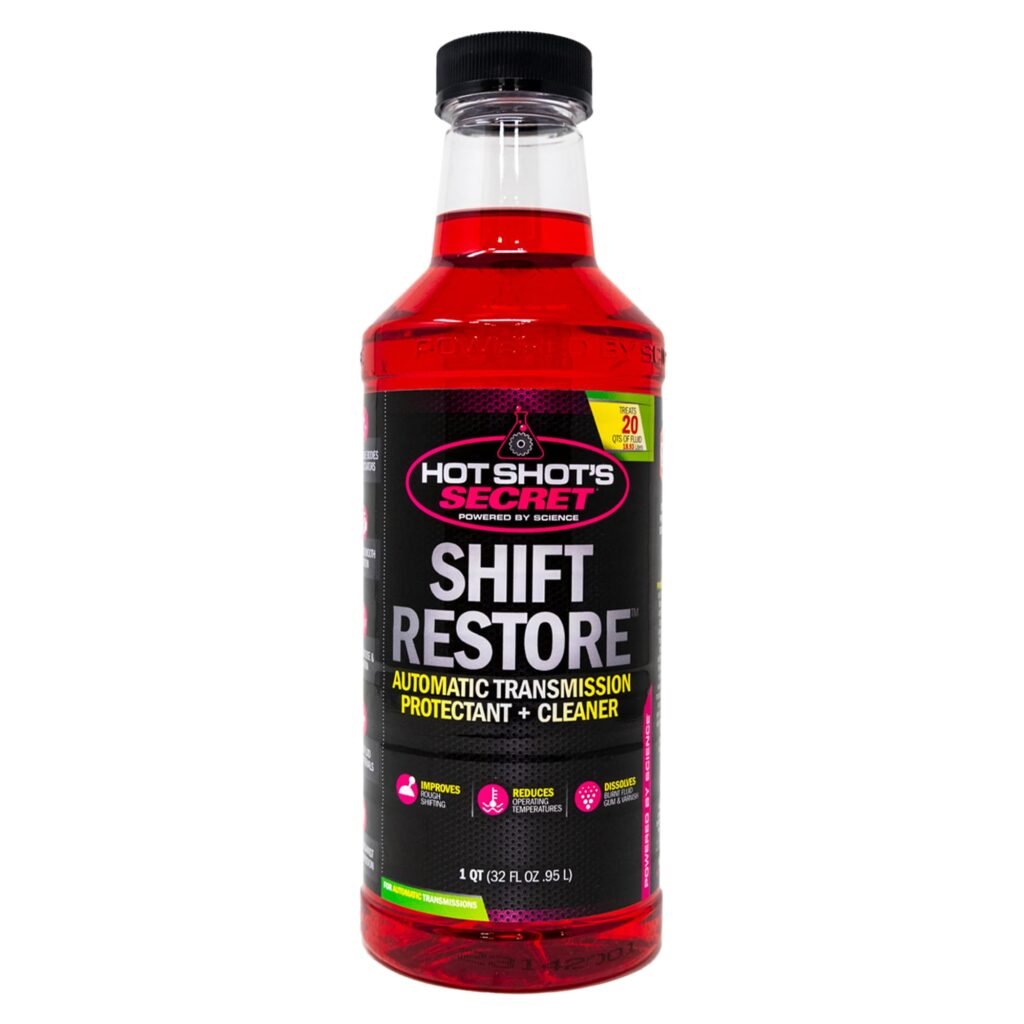
| Hot Shot’s Secret Shift Restore (HSSTSE32Z) | Sticky valves, shift flare, heat and friction | Automatic + some CVT use-cases | 32 oz | $40–$55 |
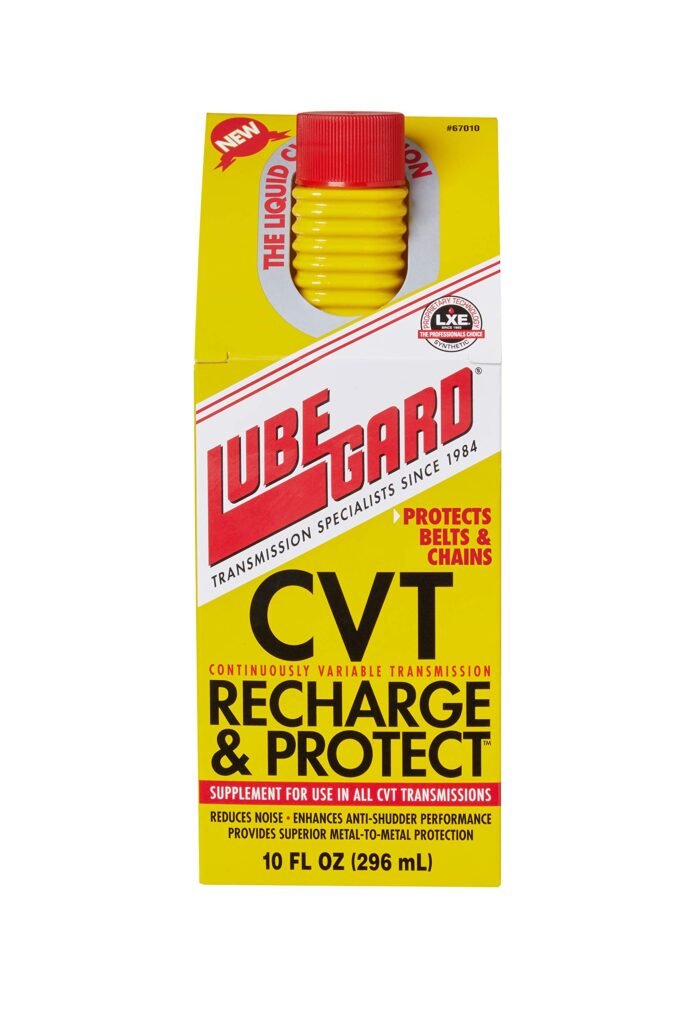
| Lubegard CVT Recharge & Protect | CVT slip feel and belt/pulley behavior | CVT (only) | 10 oz | $15–$30 |
Best Additive for Slipping Transmission Overall
Lucas Transmission Fix (10009)
Lucas Transmission Fix is a common first try when the transmission is slipping mildly, shifting late, or feeling rough. It’s often used on higher-mileage vehicles where the fluid feels tired but the transmission still drives.
It’s also a good pick when you want a simple add-and-drive option before committing to a bigger service. Retail listings commonly describe it as helping stop slip and rough shifting.

Best “Clean-Up” Additive for Rough Shifts
Sea Foam Trans Tune
Sea Foam Trans Tune is usually chosen when the transmission feels sticky or inconsistent, especially after long fluid intervals. It’s aimed at cleaning deposits and improving fluid behavior, which can help shift feel in some cases.
This one makes the most sense if your symptoms feel like rough shifts or lazy engagement rather than constant heavy slip. It’s widely sold as a transmission treatment used to fine-tune performance.
Best Additive for Heat and Harsh Shifts
Lubegard Red (60902)
Lubegard Red is often used when the transmission runs hot or shifts feel harsh. Many users pick it to improve general shift feel and fluid performance rather than as a “hard slip” fixer.
If you notice slipping only when hot, or you feel harsh engagement, this is a reasonable pick to try after checking the fluid level and condition.
Best Additive for Shudder
Lubegard Instant Shudder Fixx
If the problem feels like a vibration or shake during light acceleration (often around steady cruising), that can be torque converter shudder, not classic gear slip. Shudder Fixx is made for that specific symptom.
This is a targeted pick, not a general “fix everything” bottle. If shudder is the main issue, it can be a smarter first step than thicker additives.
Best Additive Option for Diesel Owners
Hot Shot’s Secret Shift Restore (HSSTSE32Z)
Hot Shot’s Secret Shift Restore is often picked by truck owners who deal with heat, towing use, or rough shifting patterns. The brand describes it as working on gum/varnish buildup and supporting smoother shifting. Hot Shot’s
It’s also one of the pricier options, so it makes most sense when you’ve tried basic steps (fluid level check, correct ATF type) and want a stronger add-on before a service.
Best Additive for CVT Slip Feel
Lubegard CVT Recharge & Protect
CVT transmissions need CVT-specific fluid behavior. If your vehicle has a CVT, avoid additives made only for standard automatics unless the label clearly supports CVT use.
This is the better “category match” if the slip feeling comes from a CVT and the fluid is still at a serviceable level.
How to Tell if an Additive Can Help
Cases where an additive may help
- Mild slipping that comes and goes
- Shudder during light throttle
- Rough shifts after long fluid intervals
- Shift flare that is not constant and not severe
Cases where you should skip additives and get it checked
- Slip is constant in every gear
- Burning smell or very dark fluid
- Metal shavings on the dipstick or pan
- Transmission goes into limp mode or throws repeated codes
If you want a fast way to check for codes that point to shift solenoids or sensor issues, an best obd2 scanner for the money can help you read what the car is reporting before you spend more.
What to Do First (Before Any Additive)
- Check fluid level (warm engine, correct procedure for your car).
- Confirm the correct ATF type for your transmission.
- If the car is high mileage, consider fluid condition and service history.
For vehicles with lots of miles, it also helps to keep the engine side in good shape. Using the correct oil for older engines can reduce load and heat in daily driving. See best oil for high mileage for a simple guide.
Maintenance Tips to Reduce Slip Risk
H3: Habits that help
- Let the car warm briefly before hard acceleration in cold weather
- Avoid repeated hard launches when the transmission is already acting up
- Fix leaks early so fluid level stays stable
If you’re dealing with leaks in other systems, don’t ignore them. For example, steering leaks can also turn into bigger repairs. Here’s a related guide: best stop leak for power steering.
FAQs
A: For mild slip and rough shifts, Lucas Transmission Fix is a common first try. Match the additive to the symptom and transmission type.
A: If slip is severe or constant, an additive usually won’t fix it. That often points to worn clutches, low pressure, or internal damage.
A: Yes. It’s mainly used for torque converter shudder. It’s not meant as a general “slip fix” product.
A: No. CVTs need CVT-safe products. If you have a CVT, pick a CVT-specific additive.
A: Some changes can show within a short drive. Others may take a few days of normal driving, depending on the symptom.
DISCLAIMER:
This blog post is for informational purposes only. We make every effort to provide accurate, current, and well-sourced information, but we cannot guarantee its completeness or absolute accuracy.
All images, videos, and logos used on bestfordaily.com are the property of their respective owners. We aim to credit and reference them appropriately. If you are the rightful owner and wish to have your image, video, or logo removed, please get in touch with us.