- Topic: Best bushes for privacy (2026 guide)
- Best for: Backyard screening, side-yard borders, blocking neighbors
- Key factors: Evergreen cover, growth speed, mature width, pruning needs
- Plant types: Evergreen shrubs, flowering shrubs, fast screens
- Updated: 2026
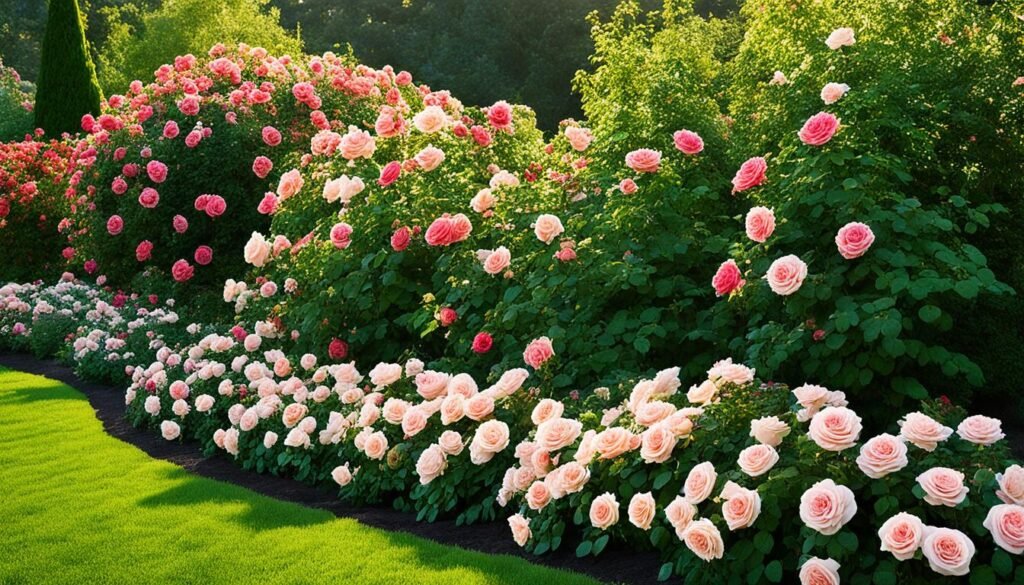
The best bushes for privacy can turn an open yard into a calmer, more private space. The right shrubs can block sightlines, soften noise, and make your outdoor area feel more comfortable.
This 2026 list covers privacy bushes that work for different yards. Some stay green all year. Some grow fast. Others need less upkeep.
| Privacy Bush | Evergreen? | Growth Speed | Typical Mature Size | Estimated Price (per plant) |
|---|---|---|---|---|
| Emerald Green Arborvitae | Yes | Medium | 10–15 ft tall x 3–4 ft wide | $35–$90 |
| Green Giant Arborvitae | Yes | Fast | 30–50+ ft tall x 10–15 ft wide | $45–$140 |
| Nellie R. Stevens Holly | Yes | Medium | 15–25 ft tall x 8–12 ft wide | $40–$130 |
| Cherry Laurel (Schip Laurel) | Yes | Fast | 10–15 ft tall x 6–10 ft wide | $35–$110 |
| Wax Myrtle | Usually (warm zones) | Fast | 10–20 ft tall x 8–12 ft wide | $30–$100 |
| Privet (Ligustrum) | Depends on type | Fast | 8–15 ft tall x 4–8 ft wide | $20–$70 |
| Ninebark | No | Fast | 6–10 ft tall x 6–10 ft wide | $25–$80 |
| Common Lilac | No | Medium | 8–15 ft tall x 6–12 ft wide | $25–$90 |
Best Evergreen Privacy Bushes
Emerald Green Arborvitae
Emerald Green arborvitae is one of the most common picks for tight spaces. It grows in a narrow shape, so it works well along fences and side yards.
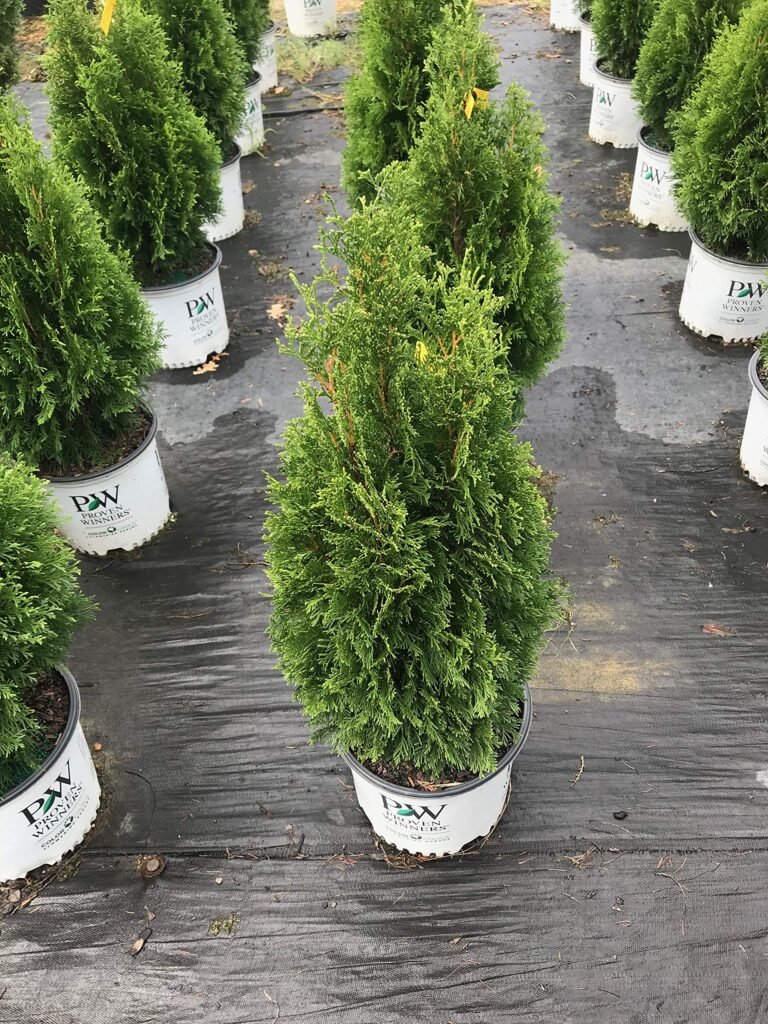
It stays green through winter and can form a clean screen when planted in a row. Give it room to widen a little, then trim lightly once or twice a year if you want a sharper look.
Green Giant Arborvitae
Green Giant arborvitae is a strong pick when you need height fast. It can fill in quicker than many other evergreen screens, which helps when you want privacy sooner.
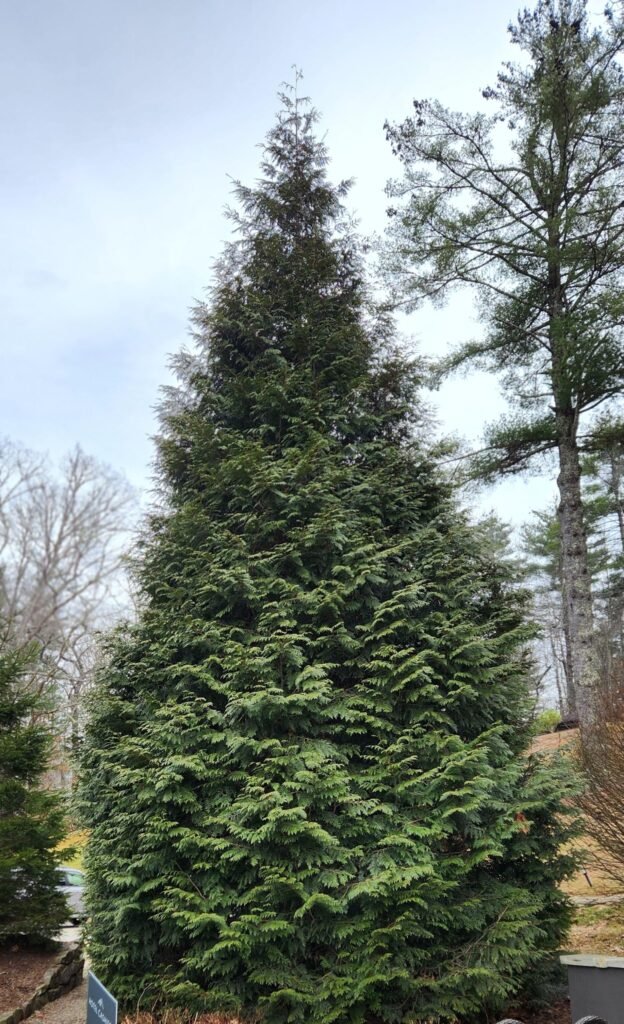
This one gets big, so it fits larger yards better. If you want more front-yard planting ideas to match your screen, see the best trees for the front yard.
Best Bushes for Privacy With Added “Do Not Enter” Feel
Nellie R. Stevens Holly
This holly is thick and evergreen and can form a solid wall once it fills in. The leaves are firm and can be prickly, so it feels like a stronger barrier than soft-leaf shrubs.
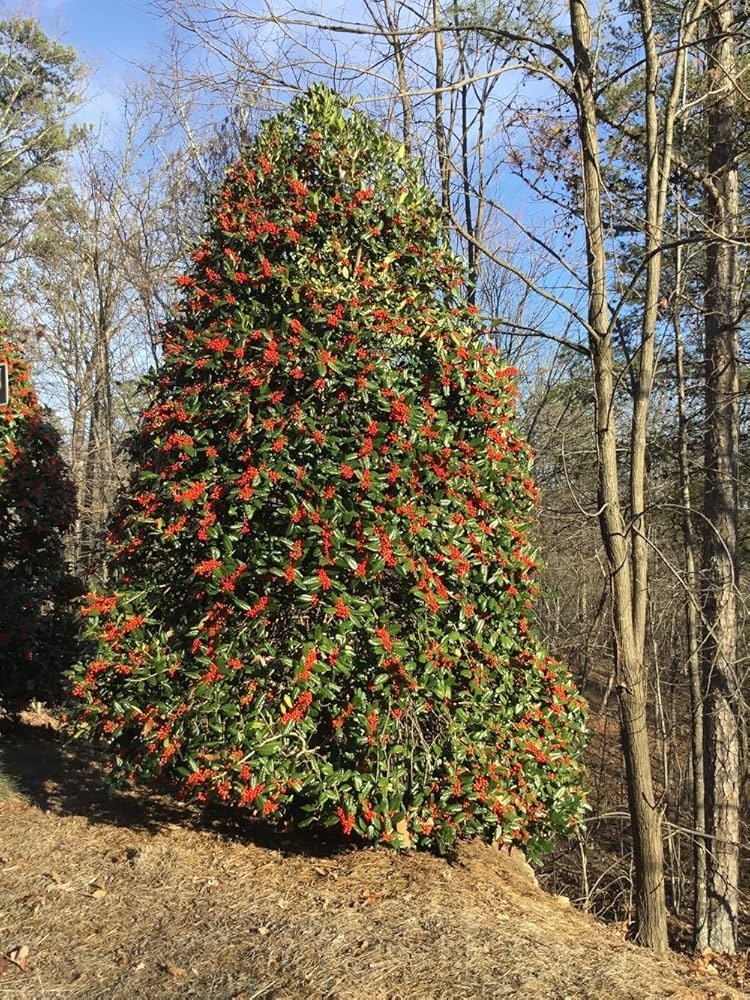
It also handles pruning well if you want a more shaped hedge. Give it sunlight and enough spacing, and it can become a long-lasting screen.
Best Fast-Growing Bushes for Privacy
Cherry Laurel (Schip Laurel)
Cherry laurel is a fast-growing privacy shrub with broad leaves that block views well. It can give you a fuller screen sooner than many smaller-leaf hedges.
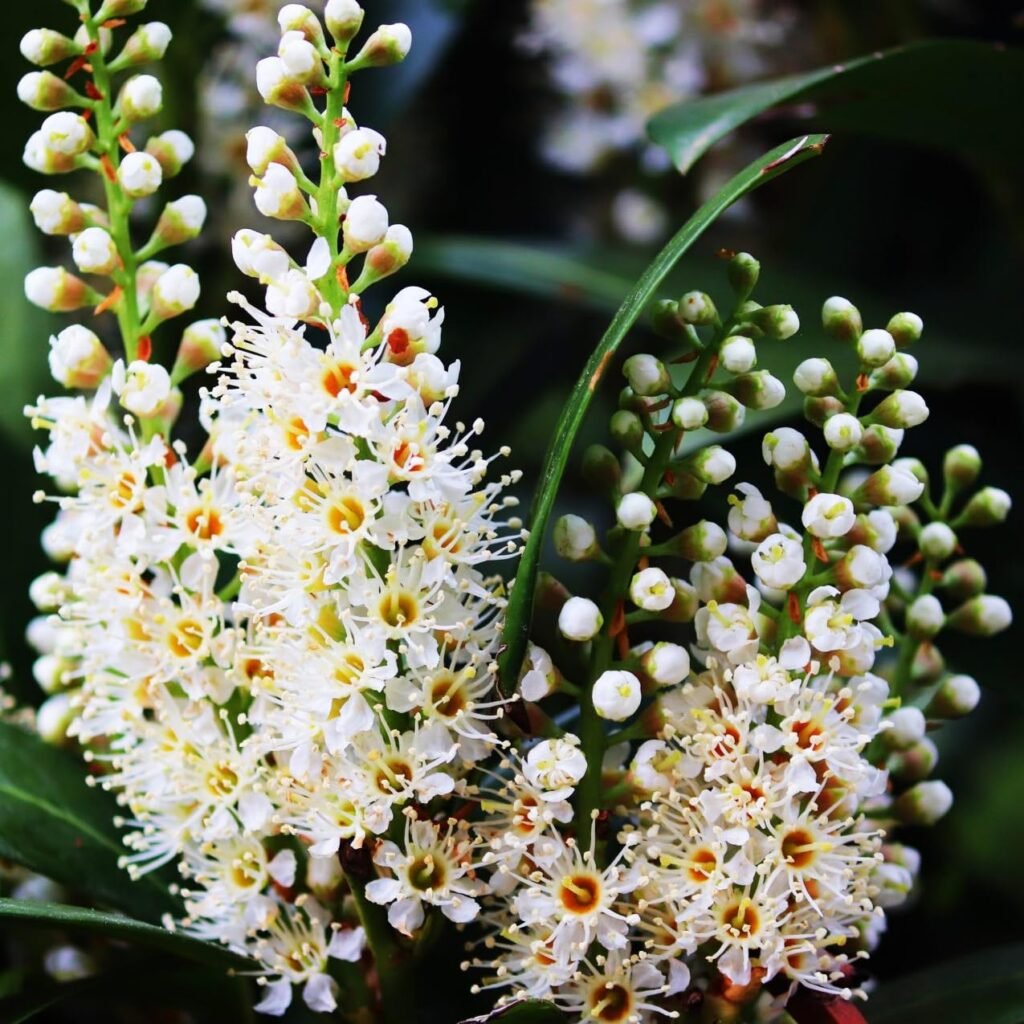
It also responds well to pruning, so you can keep it at the height and width you want. If you’re building a clean look near your home’s entry, you may also like the best evergreen shrubs for the front of the house.
Wax Myrtle
Wax myrtle can grow quickly in many warm-climate areas and can handle tougher conditions once established. It can work well as a more natural-looking screen rather than a tight, formal hedge.
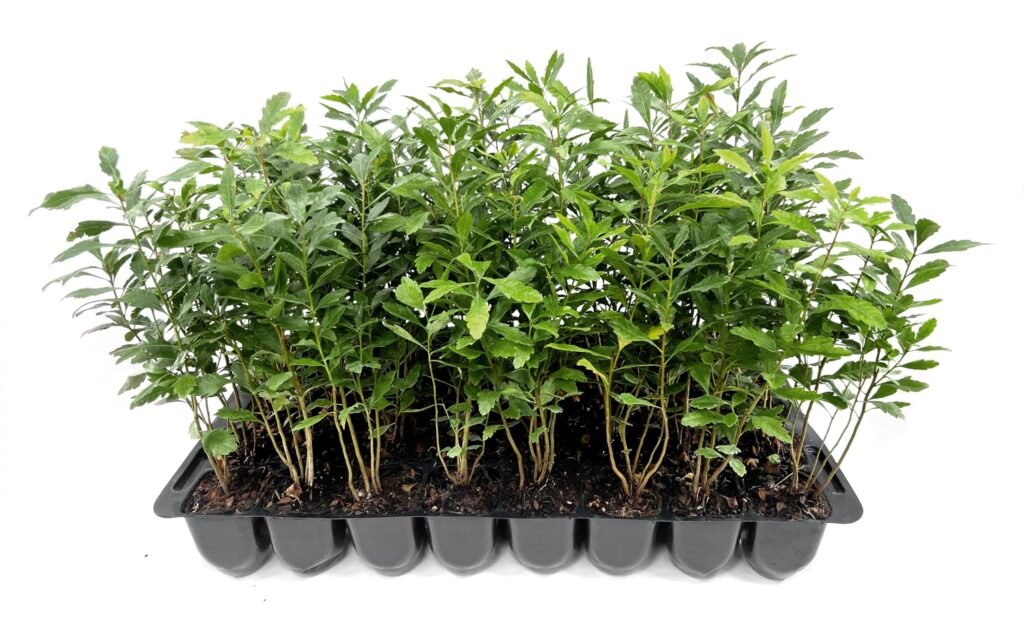
It has a looser shape than arborvitae, so it suits people who like a softer look. Prune it to keep it thick, and remove lower branches if you want clearer walking space near paths.
Privet (Ligustrum)
Privet is known for fast growth and thick coverage when maintained. It can work well for a tall hedge where you want a solid green wall during the growing season.
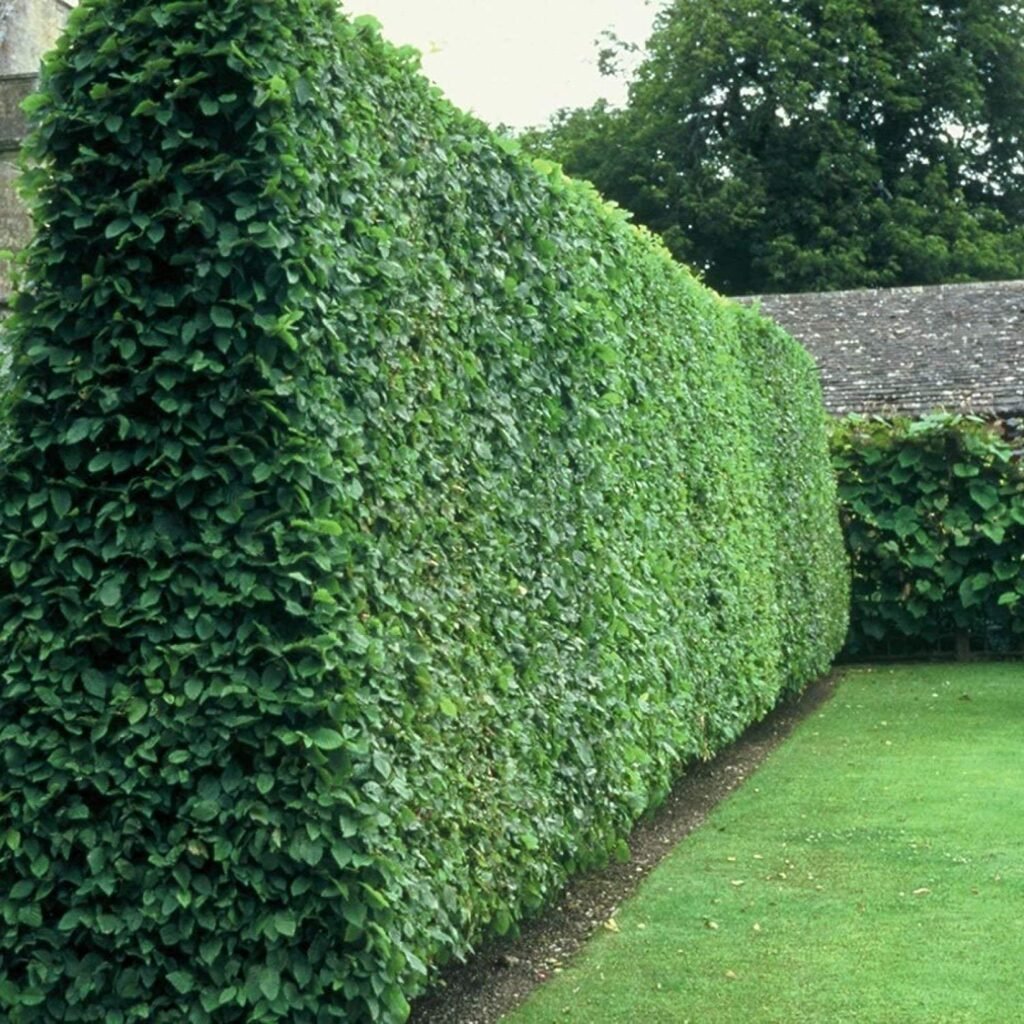
Some privets drop leaves in colder months, and some types can spread in certain areas. If you pick privet, check local guidance, then keep it trimmed so it stays dense and controlled.
Best Flowering Privacy Bushes
Ninebark
Ninebark is a good choice if you want privacy plus seasonal interest. It can grow fast, and its branching can fill in nicely when planted in groups.
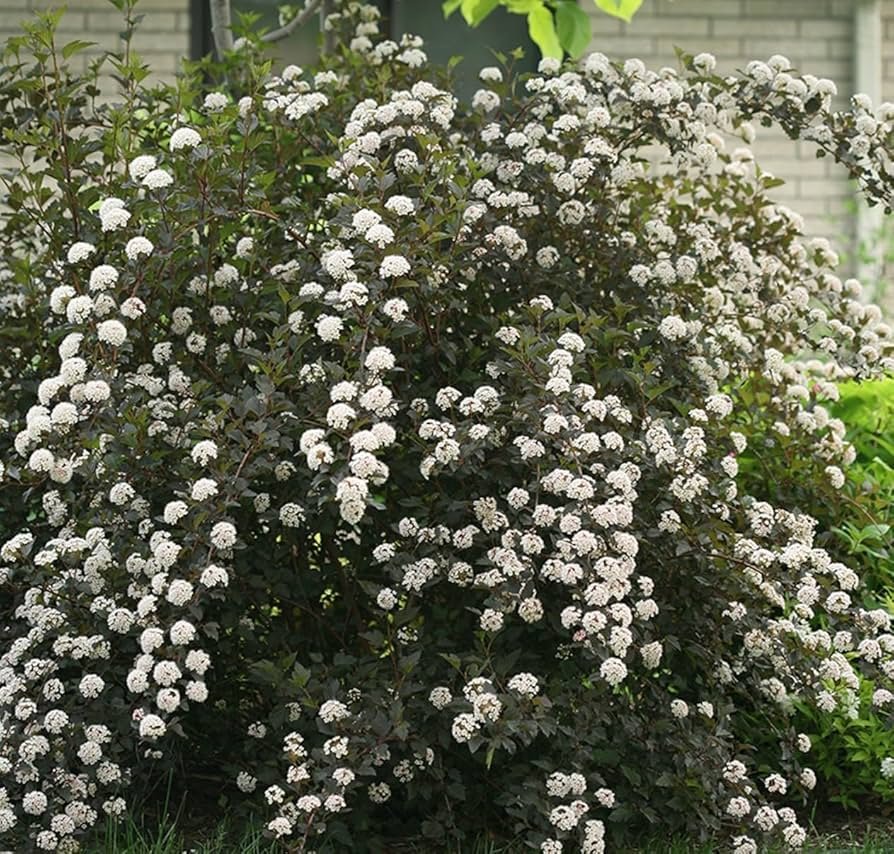
It loses leaves in winter, so it’s not a year-round screen in cold climates. Still, it can be a great summer privacy layer, especially behind patios or seating areas.
Common Lilac
Lilac can create privacy while adding spring flowers and a strong scent. It works well when you want a living screen that looks less formal and more garden-like.
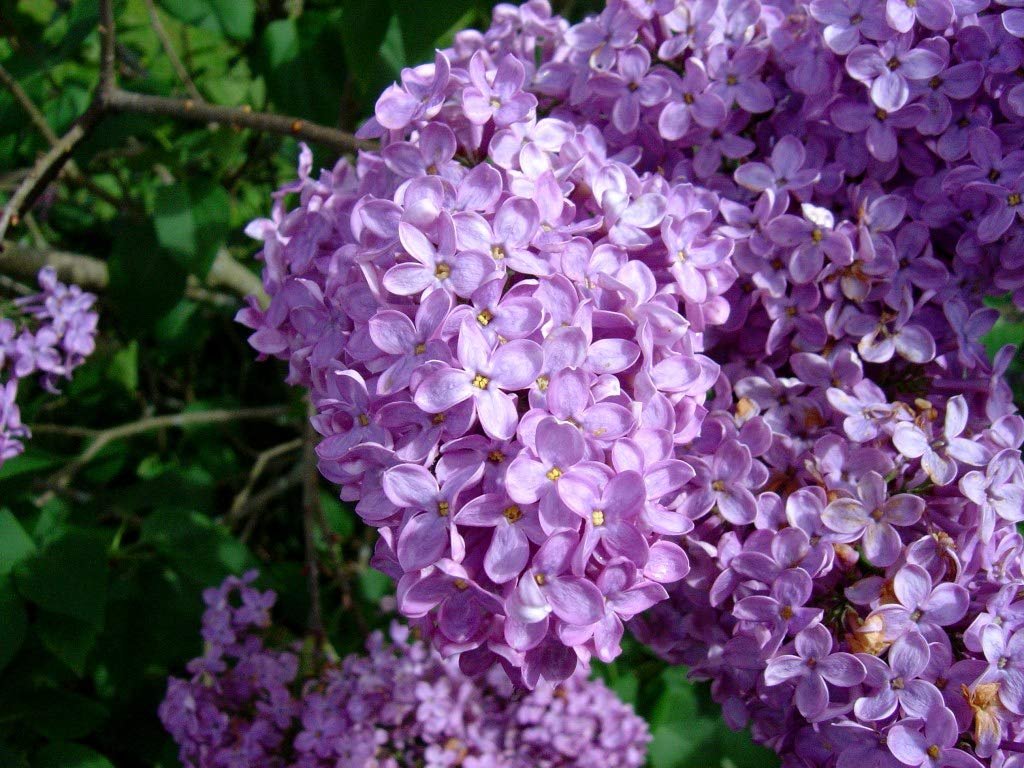
It can get tall and wide, so spacing matters. If you want to mix shrubs with other planting ideas, see the best plants for the front yard.
How to Choose the Best Bushes for Privacy
Match the plant to your privacy goal.
If you need privacy all year, pick evergreen screens like arborvitae, holly, or cherry laurel. If summer privacy is enough, deciduous shrubs like ninebark or lilac can still work well.
Check mature width before you plant
Many privacy bushes fail because they’re placed too close together or too close to fences. Measure your space, then plant with the full-grown width in mind.
Plan for trimming
Some privacy bushes look best with light trimming. Others can be left more natural. Pick a style that fits how much yard work you want to do.
FAQs
A: Evergreen picks like arborvitae, cherry laurel, and hollies can keep privacy through winter in many areas.
A: Green Giant arborvitae, cherry laurel, wax myrtle, and many privets can fill in quickly.
A: Try shrubs that keep a fuller shape on their own, like many hollies, wax myrtle in warm zones, or a looser arborvitae row.
A: Spacing depends on the mature width. A common approach is spacing at about half to two-thirds of the mature width for a quicker screen.
DISCLAIMER:
This blog post is for informational purposes only. We make every effort to provide accurate, current, and well-sourced information, but we cannot guarantee its completeness or absolute accuracy.
All images, videos, and logos used on bestfordaily.com are the property of their respective owners. We aim to credit and reference them appropriately. If you are the rightful owner and wish to have your image, video, or logo removed, please contact us.