- Topic: Best milk for pregnancy (2026 guide)
- Best for: Calcium, vitamin D, protein, easy daily drinks
- Top rule: Choose pasteurized milk and pasteurized dairy drinks
- Non-dairy pick: Fortified soy milk with calcium + vitamin D
- Updated: 2026
The best milk for pregnancy is the one that fits your diet and gives you steady nutrition day to day. Many people choose pasteurized cow’s milk for calcium, vitamin D, and protein. If you avoid dairy, some fortified plant milks can still work well.
This 2026 guide breaks down the best choices by real needs: higher protein, easier digestion, or a dairy-free plan. If you have gestational diabetes, thyroid issues, kidney disease, or food allergies, talk with your clinician about what fits your case.
| Milk | Type | Best For | What to Check on Label | Estimated Price |
|---|---|---|---|---|
| Pasteurized Cow’s Milk (2% or whole) | Dairy | All-around daily nutrition | Vitamin D added, no “raw” | $3–$6 / gallon |
| Lactose-Free Cow’s Milk | Dairy | Milk taste with easier digestion | Same protein as milk, vitamin D added | $4–$7 / half-gallon |
| Fortified Soy Milk (Unsweetened) | Plant-based | Closest dairy-free swap | Calcium + vitamin D added, 7–10g protein | $3–$5 / half-gallon |
| Pea Protein Milk (Fortified, Unsweetened) | Plant-based | Higher protein without dairy | Calcium + vitamin D added, 8–10g protein | $4–$6 / half-gallon |
| Fortified Oat Milk (Unsweetened) | Plant-based | Creamy taste, coffee and cereal | Calcium + vitamin D added, low sugar | $4–$6 / half-gallon |
Best Milk for Pregnancy Overall
Pasteurized Cow’s Milk (2% or Whole)
Pasteurized cow’s milk is a strong all-around choice because it brings protein plus calcium and often added vitamin D. It’s easy to use daily in smoothies, cereal, or cooking.
Pick a fat level that matches your meals and digestion. Some people feel better with 2%, while others prefer whole milk for fullness. Avoid raw milk during pregnancy.
Best Milk for Pregnancy if You Get Bloating From Dairy
Lactose-Free Cow’s Milk
Lactose-free milk has the same protein as regular milk, but it skips the lactose that can trigger gas and stomach pain. It tastes close to standard milk, so it’s an easy swap.
If you often feel bloated during pregnancy, label-checking helps. Choose an unsweetened lactose-free milk and track how you feel over a week. If bloating is a bigger issue, the best tea for bloating can pair well with a food-first plan.
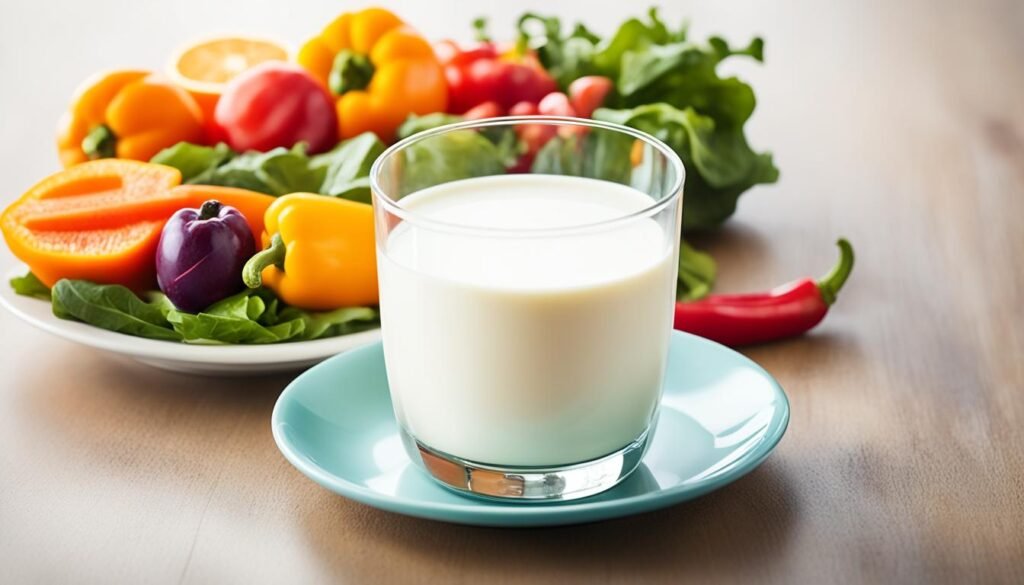
Best Non-Dairy Milk for Pregnancy
Fortified Soy Milk (Unsweetened)
Fortified soy milk is the closest plant-based swap to dairy milk for many people. It can offer a similar protein range, plus added calcium and vitamin D in many brands.
Choose “unsweetened” to keep added sugar low. Shake the carton before pouring, since added minerals can settle. If you’re nursing later, food choices change, so keep this saved: best food for lactation.
Best High-Protein Milk for Pregnancy Without Dairy
Pea Protein Milk (Fortified, Unsweetened)
Pea protein milk can be a good dairy-free option when you want more protein than oat or almond milk. Many versions are fortified with calcium and vitamin D, which helps cover common gaps.
Taste can vary by brand, so try a small carton first. Look for “unsweetened” and check that calcium and vitamin D are listed on the nutrition panel.
Best Milk for Pregnancy for Coffee and Cereal
Fortified Oat Milk (Unsweetened)
Oat milk is popular because it’s creamy and mixes well in coffee, cereal, and oats. It can be a comfortable choice if you dislike the taste of soy or pea milk.
Most oat milks run lower in protein than dairy or soy, so treat it as a taste-first pick. Choose a fortified version with calcium and vitamin D, and keep protein coming from meals.
How to Choose the Best Milk for Pregnancy
Check pasteurization first
During pregnancy, stick with pasteurized milk and pasteurized dairy drinks. Skip raw milk products.
Read the label like a short checklist
Look for:
- Calcium listed on the nutrition panel
- Vitamin D listed
- “Unsweetened” for plant milks
- Protein grams that match your goal
Match the milk to your day
If milk is your main protein drink, soy or pea milk may fit better. If you just want a creamy splash in coffee, fortified oat milk can work.
FAQs
A: Many people do well with pasteurized cow’s milk. If you avoid dairy, fortified unsweetened soy milk is a strong swap.
A: For many people, fortified soy milk is fine. If you have a thyroid condition or soy allergy, ask your clinician first.
A: Lactose-free cow’s milk often works well because it keeps the same protein as regular milk.
A: It can fit, but it’s usually low in protein. If you use it, pick fortified unsweetened almond milk and get protein from meals.
A: Needs vary by diet and labs. Many plans aim for enough calcium and vitamin D across foods and drinks, not milk alone.
DISCLAIMER:
This blog post is for informational purposes only. We make every effort to provide accurate, current, and well-sourced information, but we cannot guarantee its completeness or absolute accuracy.
All images, videos, and logos used on bestfordaily.com are the property of their respective owners. We aim to credit and reference them appropriately. If you are the rightful owner and wish to have your image, video, or logo removed, please get in touch with us.