- Topic: Best wattage for microwave (2026 guide)
- Best for: Reheating, cooking, defrosting, daily kitchen use
- Low wattage: 600–800 watts for reheating
- Most common: 1000 watts for balanced cooking
- Updated: 2026
Choosing the best wattage for microwave use directly affects cooking speed, food texture, and how flexible the appliance feels day to day. Wattage controls how fast heat is delivered, which matters for everything from reheating leftovers to cooking full meals.
This 2026 guide explains microwave wattage in simple terms. You’ll learn what wattage fits your cooking habits, how higher and lower power levels behave, and how to match wattage to real kitchen needs.
| Wattage Range | Best For | Cooking Speed | Who Should Choose It |
|---|---|---|---|
| 600–800 watts | Reheating, drinks, light defrosting | Slow | Small kitchens, basic use |
| 800–1000 watts | Cooking and defrosting | Moderate | Everyday home cooking |
| 1000–1200 watts | Fast cooking, larger portions | Fast | Families, frequent microwave use |
| 1200+ watts | Advanced cooking modes | Very fast | Busy kitchens, power users |
Does Microwave Wattage Matter?
Yes, microwave wattage matters because it controls how quickly and evenly food heats. Higher wattage means more energy reaches the food in less time.
Lower wattage microwaves can still work well for basic tasks, but they usually require longer cooking times. If you follow recipes often, wattage also affects how closely your results match the instructions.
What Is the Best Wattage for Microwave Reheating?
600–800 Watts for Simple Tasks
For reheating coffee, soup, or leftovers, lower wattage microwaves are usually enough. They warm food gently and reduce the risk of overheating liquids.
These microwaves fit dorms, offices, or kitchens where space and power needs are limited. Expect longer heating times compared to higher wattage models.
Best Wattage for Microwave Cooking and Defrosting
800–1000 Watts for Daily Use
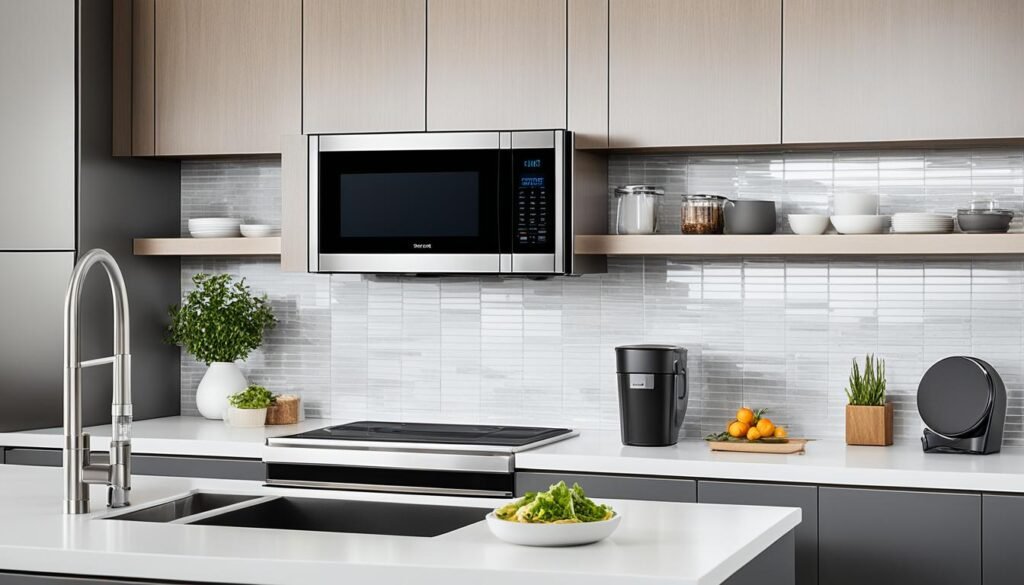
This range works well for most households. It balances speed and control, making it easier to cook frozen meals, defrost meat, and heat larger portions evenly.
Many people find this wattage level easiest to live with, especially if the microwave is used several times a day. If you’re pairing it with other appliances, the best air fryer for a family of 4 can help cover cooking tasks beyond the microwave.
What Is the Most Common Microwave Wattage?
1000 Watts Is the Standard
A 1000-watt microwave is the most common option in home kitchens. Many packaged foods and recipes are written with this power level in mind.
This wattage offers consistent results without constant time adjustments. For most homes, it is a safe and flexible choice.
What Is Considered a High-Wattage Microwave?
1000–1200+ Watts
High-wattage microwaves cook food faster and more evenly. They work well for larger meals and reduce cold spots inside food.
These models suit busy kitchens where speed matters. They also pair well with meal prep routines and multi-appliance setups like the best lunch bags for professionals for packed meals.
How to Find Your Microwave’s Wattage
Check the Label or Manual
You can find microwave wattage by checking the label inside the door or the back panel. The wattage is usually listed near the serial number.
If the label is missing, the user manual often lists wattage under specifications. Knowing this number helps adjust cooking times correctly.
How Microwave Wattage Affects Cooking Results
Higher wattage microwaves heat food faster and more evenly. This reduces the chance of cold centers or overcooked edges.
Lower wattage models can still cook well, but they need more time. Recipes may require adjustments, especially if written for higher wattage microwaves.
How to Choose the Best Wattage for Microwave Use
Match Wattage to Your Habits
If you mostly reheat food, lower wattage works fine. If you cook frozen meals or full dishes often, higher wattage saves time and improves texture.
Kitchen size and power outlet limits also matter. Think about how often you use the microwave and what you expect it to do.
FAQs
A: For most homes, 800–1000 watts offers the best balance of speed and control.
A: Not always. Higher wattage cooks faster, but basic tasks don’t always need extra power.
A: Yes, but cooking times will be longer and may need adjustments.
A: Cooking times depend on power level, so wattage helps match results.
DISCLAIMER:
This blog post is for informational purposes only. We make every effort to provide accurate, current, and well-sourced information, but we cannot guarantee its completeness or absolute accuracy.
All images, videos, and logos used on bestfordaily.com are the property of their respective owners. We aim to credit and reference them appropriately. If you are the rightful owner and wish to have your image, video, or logo removed, please get in touch with us.