- Topic: Best substrate for leopard gecko (2026 guide)
- Best for: Adult leopard geckos in arid enclosures
- Substrate types: Loose natural mixes, solid options
- Main concern: Safety, comfort, natural behavior
- Updated: 2026
Choosing the best substrate for leopard gecko care plays a major role in comfort, movement, and long-term health. Substrate affects how your gecko walks, digs, sheds, and regulates temperature. In 2026, keepers are moving away from outdated myths and focusing on natural, safe setups that match how leopard geckos live in the wild.
This guide compares safe substrate options, explains which ones to avoid, and helps you choose the best setup based on your gecko’s age, health, and enclosure type.
| Substrate | Type | Best Use | Maintenance | Estimated Price (USD) |
|---|---|---|---|---|
| Topsoil + Sand + Clay Mix | Loose Natural | Natural digging, enrichment | Medium | $20–$35 |
| Paper Towel | Solid | Quarantine, juveniles | Very Easy | $5–$10 |
| Slate Tile | Solid | Adult geckos, heat retention | Easy | $25–$40 |
| Bioactive Arid Mix | Loose Bioactive | Display enclosures | Low (once established) | $40–$70 |
Best Loose Substrate for Leopard Gecko Enclosures
Natural Topsoil, Sand, and Clay Mix
A properly prepared natural mix is often considered the best substrate for leopard gecko habitats in 2026. This setup allows natural digging, supports muscle movement, and feels closer to the gecko’s native terrain.
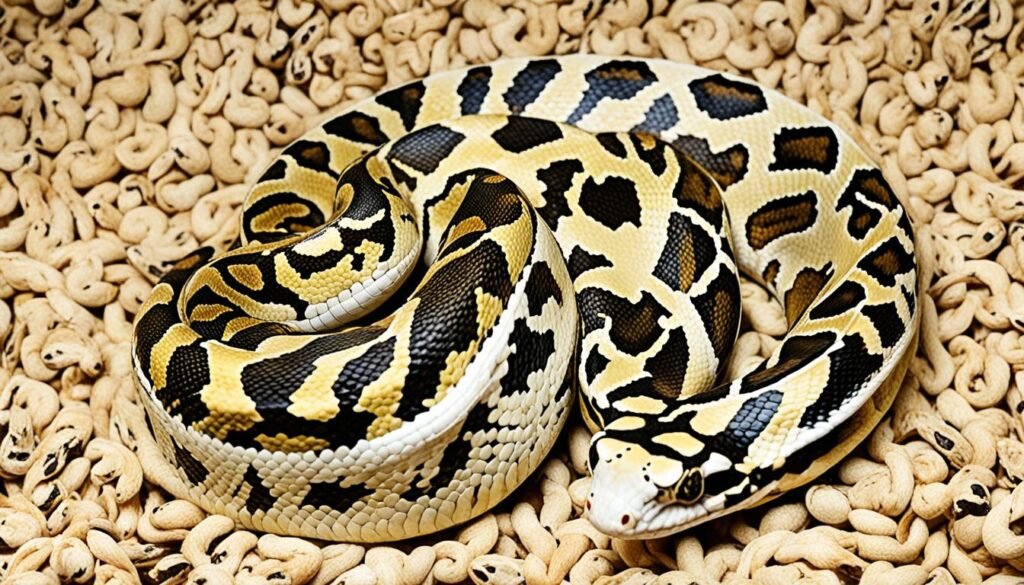
A common ratio is 40% organic topsoil, 40% washed play sand, and 20% excavator clay. When mixed and packed correctly, it forms a firm but diggable surface. This type of substrate is widely used in advanced reptile setups and mirrors what is also recommended for arid species, such as those covered in the best substrate for ball pythons.
This option requires proper temperatures and hydration to avoid impaction risks. Healthy adult geckos do very well on this substrate when husbandry is correct.
Best Solid Substrate for Leopard Gecko Safety
Paper Towel for Temporary Setups
Paper towel remains a practical choice when safety is the top priority. It is often used for quarantine tanks, juvenile geckos, or medical monitoring.
While paper towel does not offer enrichment or digging opportunities, it allows keepers to easily track waste and feeding. It also removes nearly all risk of accidental ingestion.
Slate or Ceramic Tile
Tile is a long-term, solid option for keepers who prefer low maintenance. It retains heat well, provides a stable footing, and helps keep nails naturally worn down.
Tile setups work best for adult geckos and are often paired with textured hides and digging boxes to prevent boredom.
Substrates to Avoid for Leopard Geckos
Certain materials are unsafe and should never be used, even in 2026:
- Calcium or vitamin sand
- Ground walnut shells
- Wood chips or bark
- Coco coir
- Gravel or pebbles
- Shelf liner or linoleum
- Fluffy pet bedding
These materials increase the risk of impaction, respiratory issues, or joint stress. Many of these products still circulate in pet stores but remain unsuitable for leopard geckos.
Creating a DIY Substrate Mix for Leopard Geckos
Making your own mix gives full control over texture and firmness. Combine organic topsoil, washed sand, and excavator clay, then lightly dampen and compress it into the enclosure.
Let the substrate dry completely before adding your gecko. This reduces dust and keeps humidity stable. Similar preparation methods are used in larger arid reptile setups, including those discussed in best substrate for ball pythons.
DIY mixes cost less long-term and allow adjustments based on your gecko’s behavior.
Enclosure Setup Tips That Support Substrate Choice
Substrate works best when paired with a correct enclosure design. Use hides on both warm and cool sides, provide flat basking stones, and add textured surfaces for grip.
Many keepers pair natural substrate with stable climbing décor similar to layouts used in small-animal enclosures like those discussed in the best cages for dwarf hamster, focusing on safety, spacing, and enrichment rather than height.
FAQs
A properly prepared topsoil, sand, and clay mix is widely preferred for adult leopard geckos.
Yes, when the gecko is healthy and husbandry conditions such as heat and diet are correct.
Solid substrates like paper towel are safer for juveniles until they are fully grown.
While not required, digging substrate supports natural behavior and mental stimulation.
DISCLAIMER:
This blog post is for informational purposes only. We make every effort to provide accurate, current, and well-sourced information, but we cannot guarantee its completeness or absolute accuracy.
All images, videos, and logos used on bestfordaily.com are the property of their respective owners. We aim to credit and reference them appropriately. If you are the rightful owner and wish to have your image, video, or logo removed, please contact us.