Quick Answer
Choosing the Best Cage for Gerbils in the USA (2026) is a practical guide for readers comparing pet supplies options before buying. Start with your main use case, budget, must-have features, and any comfort or safety needs, then compare the trade-offs before choosing.
We keep the recommendation format simple: who it is for, what matters in daily use, important limitations, and links to related buying advice. See how we pick products.
- Gerbils need a minimum of 20 gallons of space for a pair.
- Glass tanks are safest because they prevent chewing and keep bedding inside.
- Wire cages offer airflow but are risky for gerbil teeth.
- Deep bedding (6–8 inches) is essential for burrowing.
- The best cage for gerbils includes levels, ventilation, and chew-proof construction.
A proper gerbil habitat gives your pets room to dig, run, and build tunnels. The proper enclosure supports their instincts and keeps them active. If you’ve seen setups for other small pets, such as those in our guide to the best cage for dwarf hamsters, you’ll notice that gerbils require even deeper bedding and sturdier materials. This guide makes choosing the best cage for gerbils simple by highlighting safe, practical, and well-reviewed options, tailored for the USA.
| Cage Model | Best For | Main Features | Approx. Price |
|---|---|---|---|
| GDLF Chic Hamster Home | Overall Use | Deep base, multiple levels, strong ventilation | $79–$99 |
| Ferplast Favola Habitat | Burrowing Space | Two-level design, deep base for bedding | $65–$85 |
| Little Friends Mayfair Gerbilarium | Active Gerbils | Built-in wheel, platforms, chew-proof metal frame | $95–$120 |
Best Cages for Gerbils in 2026
1. GDLF Chic Hamster Home
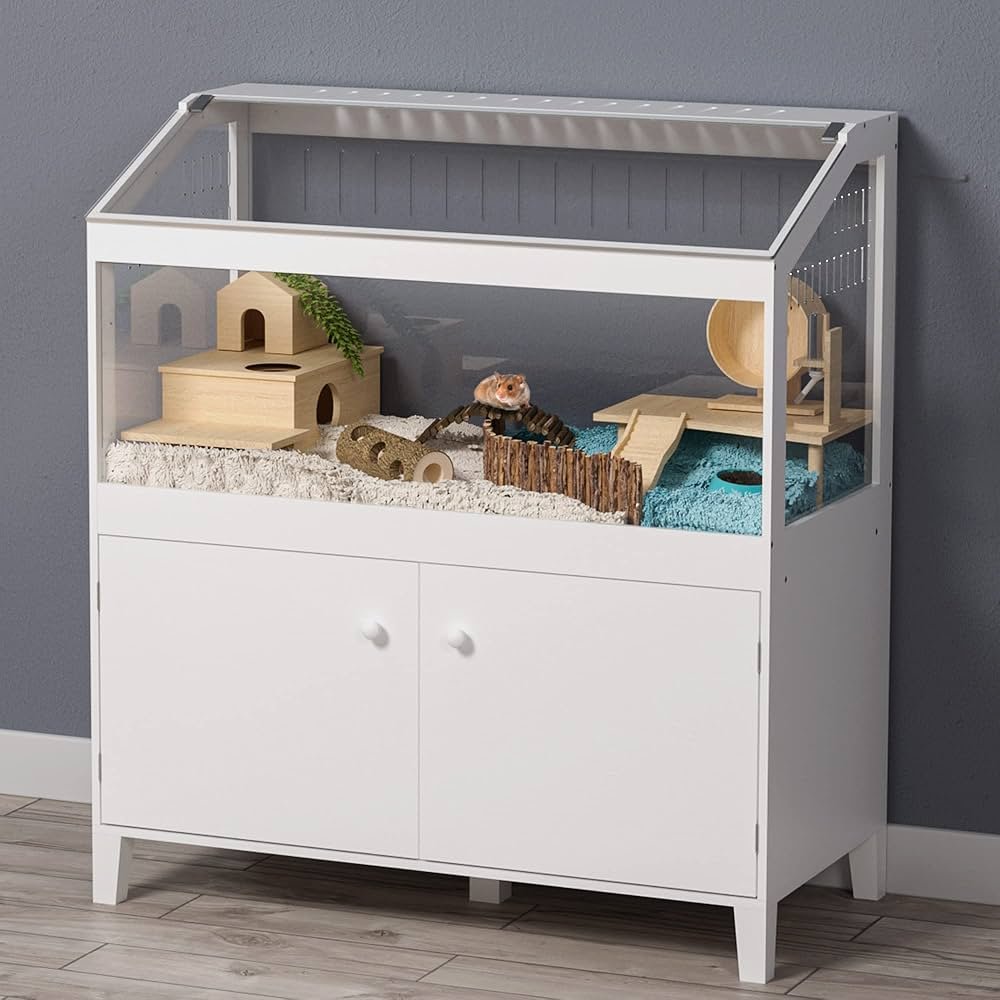
A sturdy habitat with multiple platforms and strong airflow. The deep base makes it ideal for tunnels, and the top access makes cleaning simple.
2. Ferplast Favola Habitat
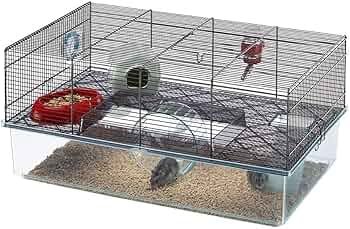
Designed with a deep lower level for bedding and an upper platform for food and exercise. Easy to maintain and secure for active burrowers.
3. Little Friends Mayfair Gerbilarium
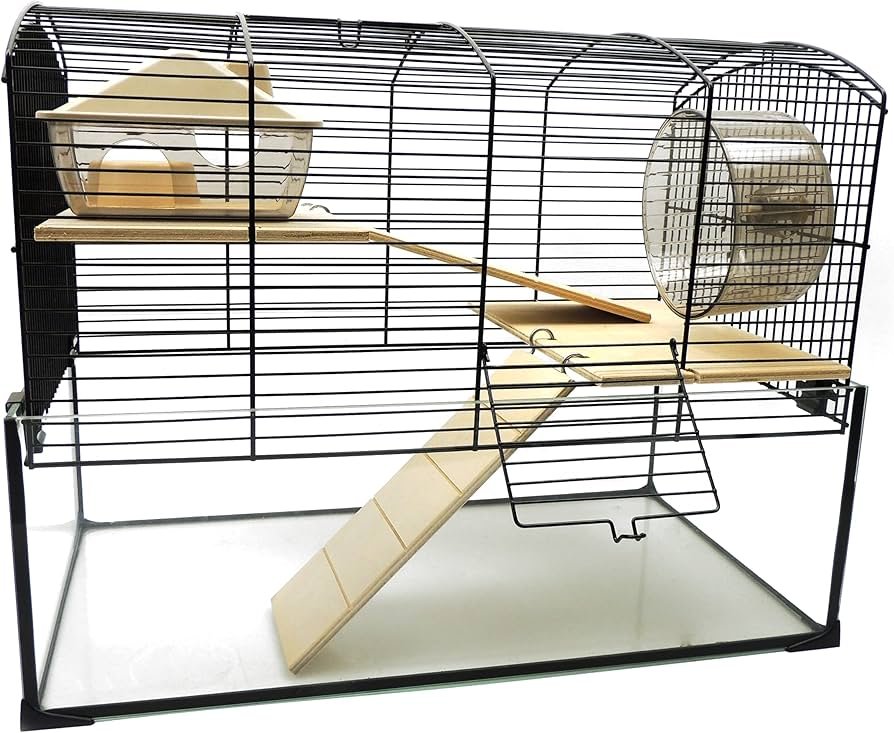
A premium choice with a metal frame, built-in wheel, and safe ventilation. The upper area encourages climbing while the base supports deep burrowing.
Each option offers solid construction, easy cleaning, and enough enrichment space to support natural behaviors. Families new to small pets may also appreciate resources like our best books for 2-year-olds guide when choosing beginner-friendly setups.
What Types of Gerbil Cages Work Best?
Glass Aquariums or Terrariums
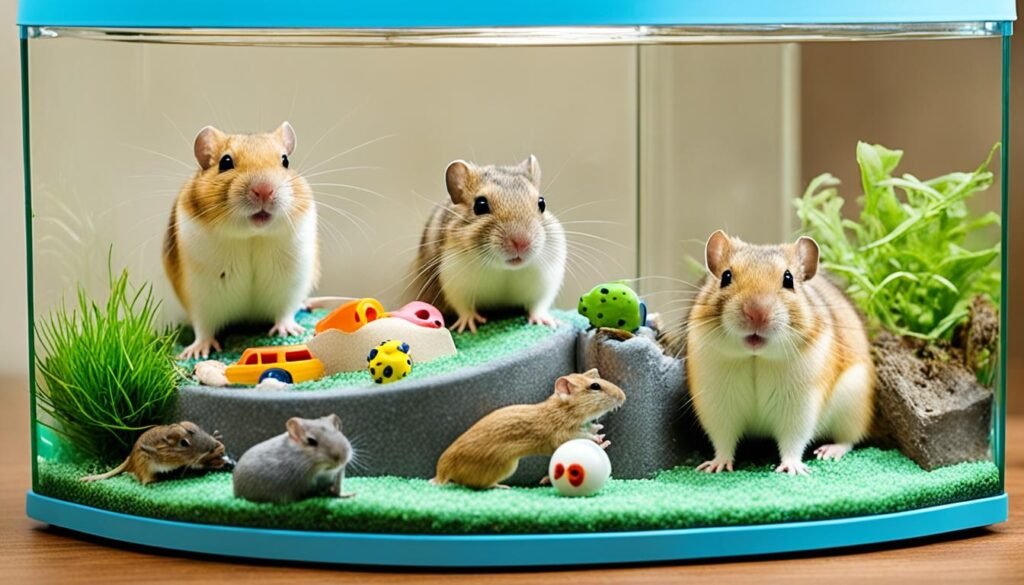
These are the safest and most escape-proof. They allow deep bedding, keep dust inside, and prevent chewing. The clear walls give good visibility and keep the setup tidy.
Wire Cages
Good airflow, but risky for gerbils who chew metal bars. They can damage their teeth, and bedding often spills out.
Plastic Cages
Attractive but not durable enough for gerbils. Most will chew through the walls. These should only be used briefly or as temporary housing.
What Size Cage Do Gerbils Need?
A pair of gerbils needs at least 20 gallons. A larger footprint (such as 12 × 30 inches) gives them room to dig deep tunnels and stay active. More space always leads to healthier, happier pets.
What to Put in a Gerbil Habitat
Gerbils stay healthiest when their enclosure includes a mix of comfort, enrichment, and exercise tools. Items commonly found in setups for young children’s pets, like those featured in our best toys for 10-month-old guide, show how simple additions can improve engagement.
Must-haves:
- Water bottle
Clean hydration without spilling. - Nest box
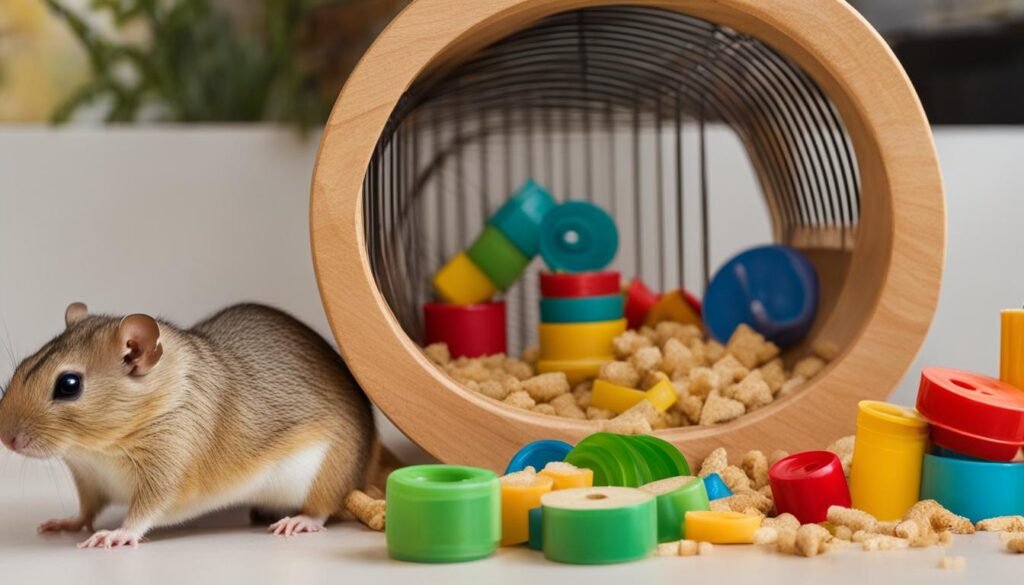
A safe, dark place to sleep and hide. - Exercise wheel
Must be solid-surface to protect tails. - Chew toys & tunnels.
Gerbils must chew daily to keep their teeth healthy. - Sand bath
Helps remove oil from fur and keeps coats clean. - Platforms or levels
Adds vertical movement and prevents boredom.
Buyer’s Guide: How to Choose the Best Cage for Gerbils
Space: Bigger is always better. Look for deep bedding capacity.
Materials: Choose chew-proof designs like glass or metal.
Safety: Check locks, corners, and ventilation.
Maintenance: Ensure easy access for changing bedding and cleaning.
Enrichment: Levels, ramps, and platforms help prevent boredom.
FAQ
Glass tanks or gerbilariums with deep bases are safest, most durable, and best for burrowing.
A pair of gerbils needs at least 20 gallons, but larger enclosures are strongly recommended.
Not safely. Most gerbils chew through plastic, leading to escapes and injuries.
They enjoy climbing and exploring. Platforms help add variety to their habitat.
At least 6 inches, though 8–10 inches supports more natural tunnel systems.
DISCLAIMER:
This blog post is for informational purposes only. We make every effort to provide accurate, current, and well-sourced information, but we cannot guarantee its completeness or absolute accuracy.
All images, videos, and logos used on bestfordaily.com are the property of their respective owners. We aim to credit and reference them appropriately. If you are the rightful owner and wish to have your image, video, or logo removed, please get in touch with us.