- Topic: Best treatment for yeast infection in the USA (2026 guide)
- Best for: Vaginal yeast infections with itching, burning, thick discharge
- Most common cause: Candida overgrowth
- Common treatments: OTC antifungal creams/suppositories, oral prescription pills
- Updated: 2026
The best treatment for yeast infection depends on your symptoms, how often it happens, and whether you can use over-the-counter options safely. Many people in the USA start with an OTC antifungal, since it can calm itching and discharge within a few days.
This 2026 guide explains the main treatment choices, what usually works fastest, and when you should call a clinician instead of treating it at home.
| Treatment Option | Form | Best For | Typical Timeline | Approx. Price (USD) |
|---|---|---|---|---|
| Miconazole (OTC) | Cream / suppository (1, 3, or 7 day) | Most mild to moderate cases | Relief in 1–3 days | $10–$25 |
| Clotrimazole (OTC) | Cream / suppository (3 or 7 day) | Many mild cases | Relief in 2–4 days | $10–$25 |
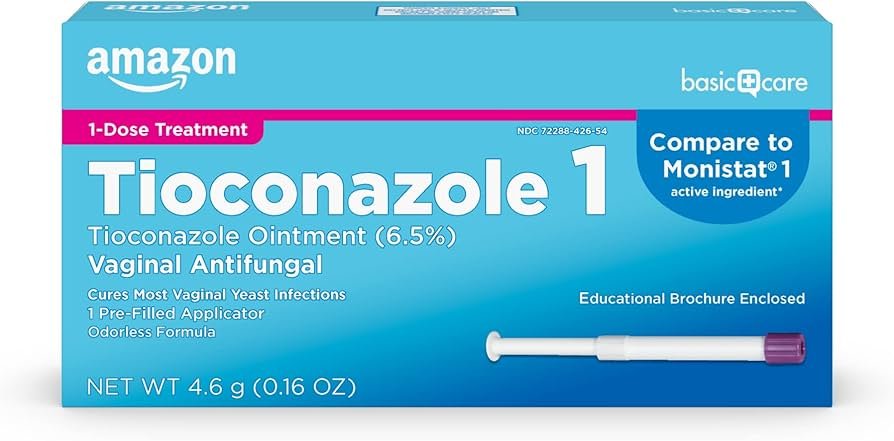
| Tioconazole (OTC) | One-dose ointment | People who prefer one dose | Relief in 1–3 days | $15–$30 |
| Fluconazole (Prescription) | Oral tablet (often 1 dose) | Moderate, recurring, or hard cases | Relief in 1–3 days | $10–$40* |
Best Treatment for Yeast Infection for Fast Relief
OTC azole antifungal (miconazole or clotrimazole)
For many people, an OTC azole antifungal is the first choice. These products are made to stop yeast growth inside the vagina and calm itching around the vulva.
A 3-day or 7-day course is often easier on sensitive skin than a one-day product. If your skin gets irritated easily, the longer course may feel gentler.

Best One-Dose OTC Option
Tioconazole one-dose ointment
If you want a one-dose option, tioconazole is a common pick in the USA. It can be handy when you want fewer applications.
Some people feel more burning with one-dose products. If that happens, stop and speak with a clinician.
Best Treatment for Yeast Infection That Keeps Coming Back
Prescription oral fluconazole (talk to a clinician)
If you get yeast infections often, or OTC products do not help, a clinician may suggest oral fluconazole. Some people also need a longer plan when symptoms return again and again.
Recurring symptoms can also mean it is not a yeast infection. That includes bacterial vaginosis, dermatitis, or an STI. A test can save you time and discomfort.

What Not to Do
Do not douche. Do not use scented sprays, perfumed wipes, or harsh soaps on the vulva. These can make irritation worse.
Also skip “home cures” that can burn tissue, like inserting undiluted oils, vinegar, or garlic.
If you want a gentler external wash, you may want to review best soap for yeast infection and pick a simple, fragrance-free option.
Home Care Steps That Help Alongside Treatment
These steps can help symptoms settle while medicine does the main work:
- Wear loose cotton underwear
- Change out of sweaty clothes soon after workouts
- Keep the area dry after bathing
- Avoid sex until symptoms clear
- Use pads instead of tampons during treatment if you have discharge
If bloating is also bothering you during your cycle, you can compare drinks in best tea for bloating and keep it caffeine-light at night.
When to Get Medical Care
Contact a clinician soon if any of these apply:
- This is your first time with these symptoms
- You are pregnant
- You have fever, pelvic pain, or foul-smelling discharge
- Symptoms last after a full OTC course
- You get 4+ infections in a year
- You have diabetes or take immune-suppressing meds
If you also have gut issues that flare at the same time, some people track patterns with diet changes. For that angle, you can read best supplements for constipation and discuss choices with a clinician if you take other meds.
FAQs
For many mild cases, an OTC azole antifungal like miconazole or clotrimazole works well. Recurring cases may need prescription care.
Many people feel less itching within 1–3 days. Finish the full course even if you feel better.
You can try OTC treatment if symptoms are mild and familiar. If symptoms are new, severe, or keep coming back, get checked.
It may be a repeat yeast infection, irritation from products, or a different condition with similar symptoms. Testing helps.
DISCLAIMER:
This blog post is for informational purposes only. We make every effort to provide accurate, current, and well-sourced information, but we cannot guarantee its completeness or absolute accuracy.
All images, videos, and logos used on this page belong to their respective owners. We aim to credit and reference them appropriately. If you are the rightful owner and wish to have your image, video, or logo removed, please contact us.