- Topic: Best fertilizer for tomatoes (2026 guide)
- Best for: Garden beds, raised beds, containers, grow bags
- Fertilizer types: Granular, spikes, natural blends, soil mixes
- Feeding goal: Strong roots, steady growth, better fruit set
- Updated: 2026
The best fertilizer for tomatoes helps your plants grow steady, flower well, and set fruit without pushing leafy growth too hard. The right choice depends on where you grow tomatoes, how often you can feed, and whether you want an organic-style option or a quick feed.
This 2026 guide covers reliable tomato fertilizers for common home setups. You’ll see what each one does best, plus simple timing tips so you can feed with more confidence.
| Fertilizer | Type | Best For | Organic Style | Approx. Price (USD) |
|---|---|---|---|---|
| Jobe’s Organics Purpose Granular | Granular | Garden beds and mixed veggies | Yes | $18–$30 |
| Jobe’s Tomato Fertilizer Spikes | Spikes | Low-effort feeding | Some versions | $10–$18 |
| Mother Earth Nitro Bat Guano 5-3-1 | Natural fertilizer | Early growth and greener plants | Yes | $12–$20 |
| Mother Earth Tomato & Vegetable Mix | Granular blend | General tomato feeding | Yes | $12–$22 |
| FoxFarm Happy Frog Tomato & Vegetable Mix | Soil amendment blend | Soil health and steady feeding | Yes | $15–$28 |
Best Fertilizer for Tomatoes for Mixed Garden Use
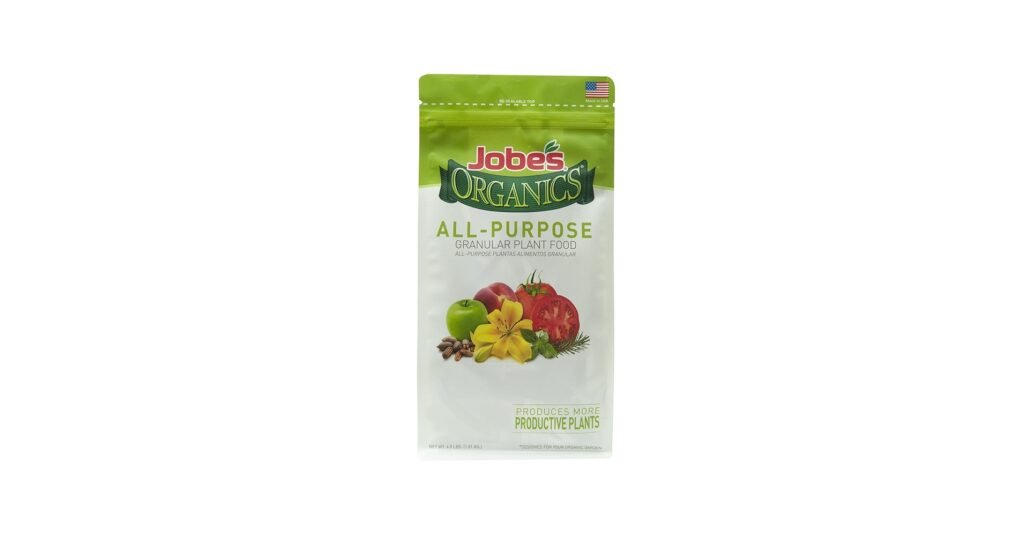
Jobe’s Organics Purpose Granular Fertilizer
If you grow tomatoes alongside peppers, cucumbers, or herbs, this granular option fits well. You can spread it around the plant drip line, water it in, and repeat on a simple schedule.
It works best when your soil already drains well, and you want a steady feed. If your beds dry out fast in summer, adding a layer ofthe best mulch for landscaping can help hold moisture and keep feeding more consistent.
Best Low-Effort Fertilizer for Tomatoes
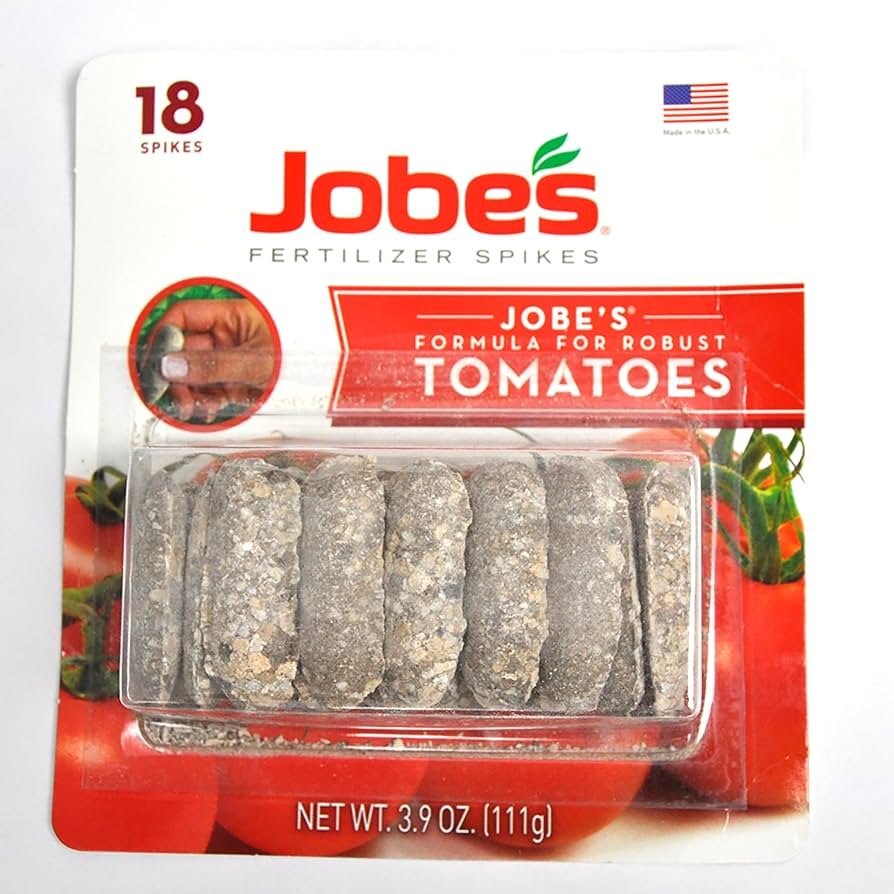
Jobe’s Tomato Fertilizer Spikes
Spikes are useful when you want less measuring and fewer steps. You press them into the soil near the root zone, then water as usual. The slow feed helps when you can’t fertilize every week.
These are a good fit for containers and smaller beds, especially for new growers. If your soil is hard or dry, push the spikes in after watering so the ground is softer.
Best Natural Nitrogen Boost for Tomato Plants
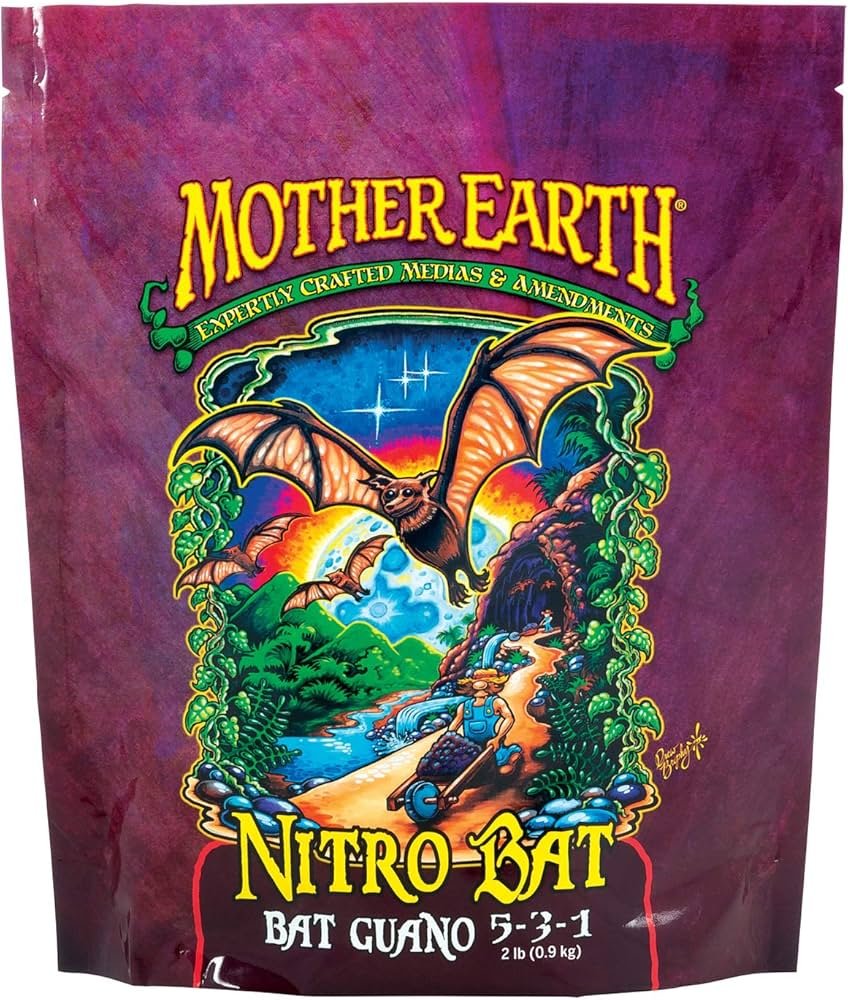
Mother Earth Nitro Bat Guano 5-3-1
This fertilizer is often used to support early growth when tomatoes are building stems and leaves. It’s helpful if your plants look pale or slow after transplanting, and you want a stronger start before flowering.
Use it with a light hand and follow the label amount closely. If you also grow roses or flowering plants nearby, you may like having a separate soil plan for them too, such as the best soil for roses.
Best All-Around Tomato Fertilizer Blend
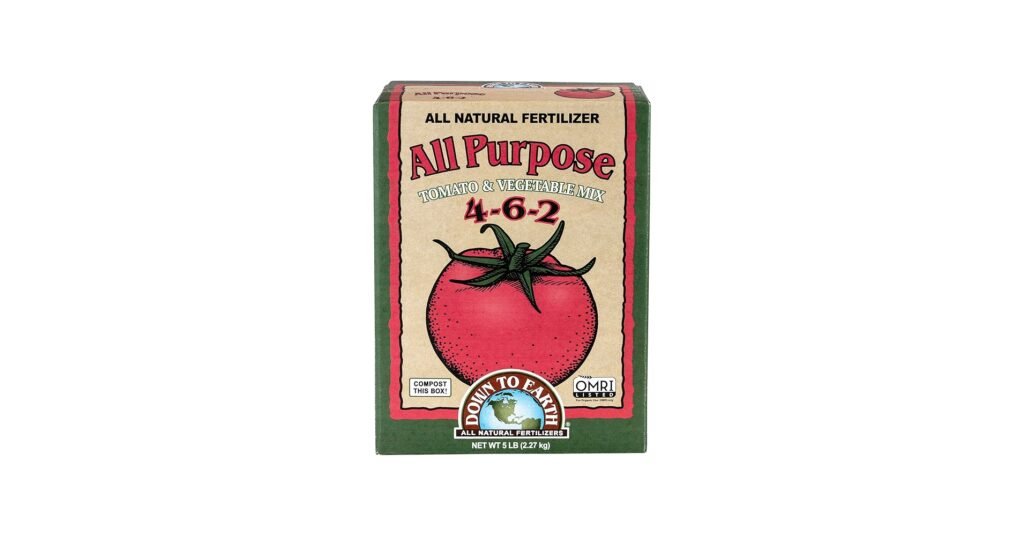
Mother Earth Season’s Choice Tomato & Vegetable Mix
This mix is a straightforward choice for regular feeding across the season. It’s a good match for gardeners who want one tomato fertilizer that works from early growth through fruiting, with a simple repeat schedule.
It can work well in raised beds and in-ground gardens. If you use it in containers, keep watering steadily since pots can wash nutrients out faster than beds.
Best Soil-Friendly Mix for Long Season Feeding
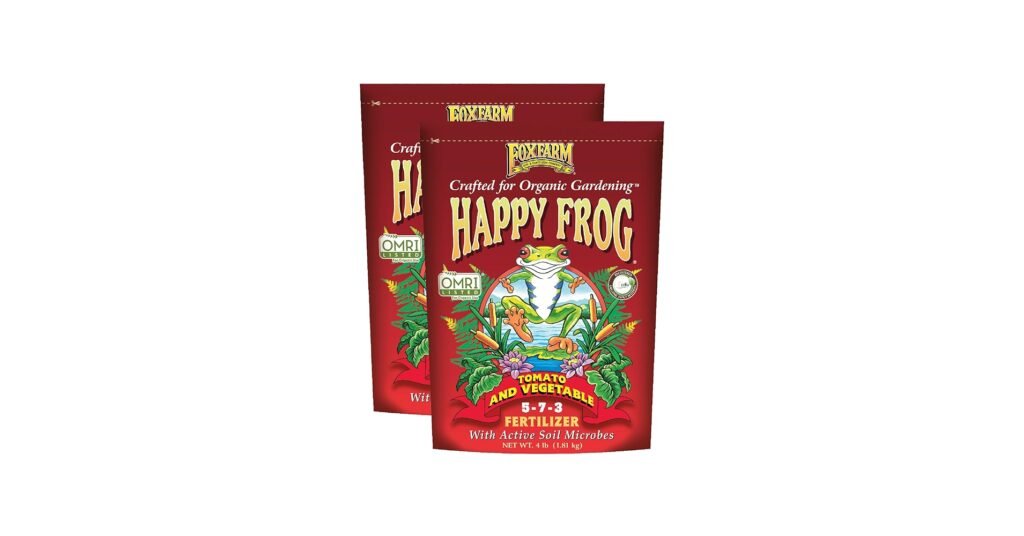
FoxFarm Happy Frog Tomato & Vegetable Mix
This blend is a solid pick if you care a lot about soil texture and plant health over the full season. It’s often used as a soil amendment mixed in at planting time, then topped up later.
It’s helpful in beds where you replant tomatoes each year and want the soil to stay in good shape. If you are planning a sunny edible area, choosing companion plants that like heat can also help with garden layout, such as ideas from the best plants for full sun.
When to Start Fertilizing Tomatoes
Start feeding about 2–3 weeks after transplanting, once the plant is settled and growing again. If you plant in rich compost, you may wait a little longer.
If your plants are very leafy but not flowering, cut back on nitrogen-heavy feeding and focus on a balanced tomato fertilizer schedule.
How Often to Fertilize Tomatoes
Many home gardens do well with feeding every 2–3 weeks during the main growth period. Containers often need more frequent feeding than in-ground beds because watering washes nutrients out faster.
Watch the plant. If leaves are pale, growth is slow, or fruiting is weak, adjust the timing instead of piling on more fertilizer at once.
FAQs
Begin about 2–3 weeks after transplanting, once the plant shows new growth.
A common schedule is every 2–3 weeks. Containers may need more frequent feeding.
Follow the label rate. Too much can cause leaf-heavy growth and fewer tomatoes.
Organic-style options tend to feed more slowly and help soil life. Synthetic options feed fast but need more care with dosing.
DISCLAIMER:
This blog post is for informational purposes only. We make every effort to provide accurate, current, and well-sourced information, but we cannot guarantee its completeness or absolute accuracy.
All images, videos, and logos used on this page belong to their respective owners. We aim to credit and reference them appropriately. If you are the rightful owner and wish to have your image, video, or logo removed, please contact us.